About
NCSTF Mission
North Captiva Sea Turtle Foundation, Inc. (NCSTF) was established in 2020 and is dedicated to the conservation and protection of the marine turtle and education of the public in this endeavor.
North Captiva Sea Turtle Foundation is authorized to conduct stranding or salvage activities, nesting surveys and hatch success evaluations, as well as to outfit nests with self-releasing screens, under Florida Fish and Wildlife Conservation Commission permit #MTP-044, held by Helen Justice.

NCSTF History
In the aftermath of Hurricane Charlie, a Category 4 storm that struck North Captiva Island on August 13, 2004, the beaches in the State Park were covered with toppled Australian pines, making it impossible to walk along the shoreline. The state agreed to clear the debris only if someone on the island volunteered to monitor the beach for turtle crawls and nests daily so that any work done would not disturb them.
Eight people agreed to monitor the beach and met with the state biologist at Sanibel Captiva Conservation Foundation (SCCF) for training. But the number of volunteers dwindled until only Sue Ann Cousar was left. She agreed to take on the responsibility of monitoring the entire park, receiving a state permit in 2006. In 2007 she applied for and received a permit to also monitor the residential beach. Sue Ann remained a one-woman team until 2011 when Pam West joined her. Mark and Helen Justice joined a year later.
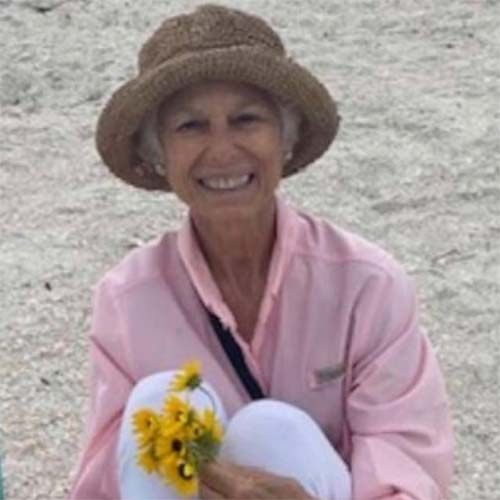
Sue Ann Cousar
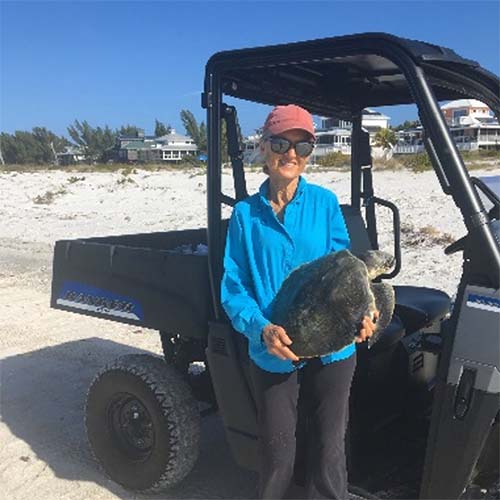
Pam West
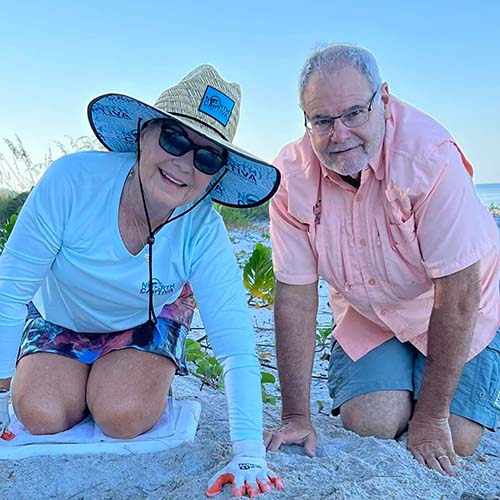
Helen & Mark Justice
NCSTF Directors
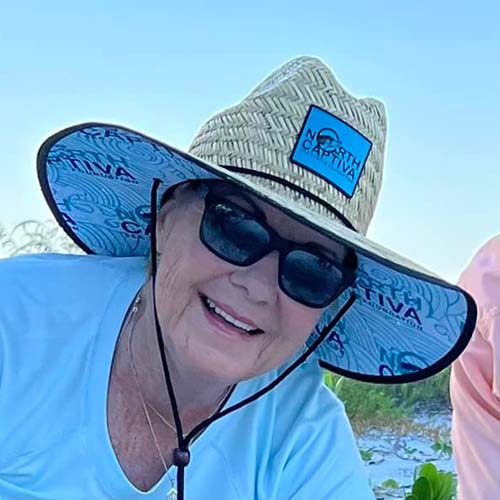
Helen Justice
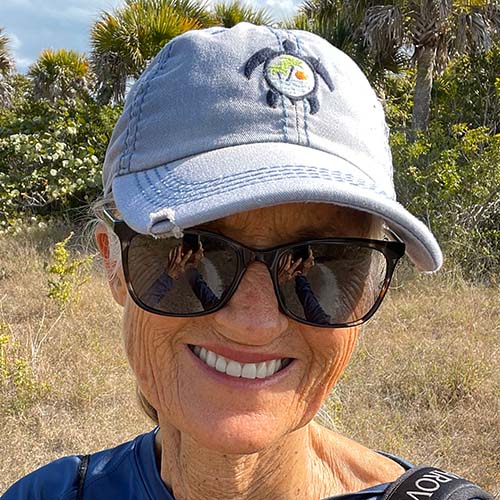
Pam Wes
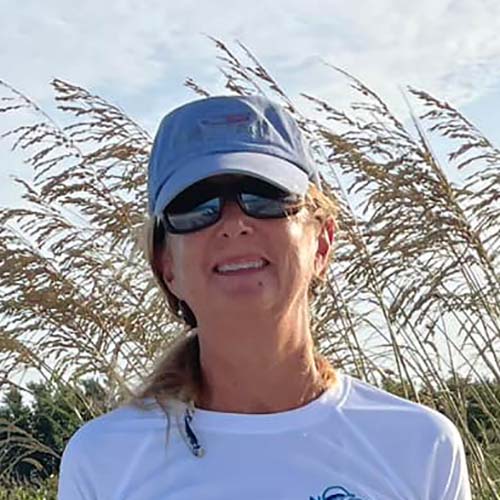
Mary Ann Peach
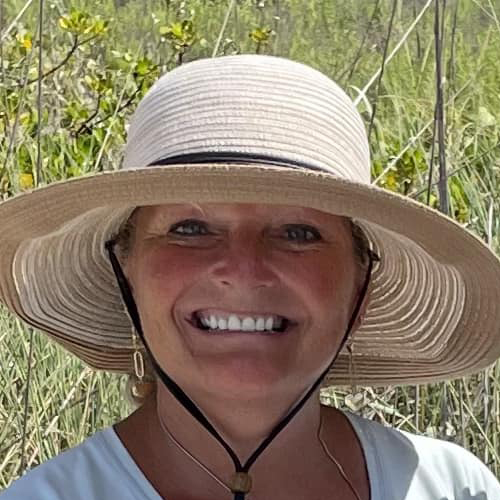
Genny Preston
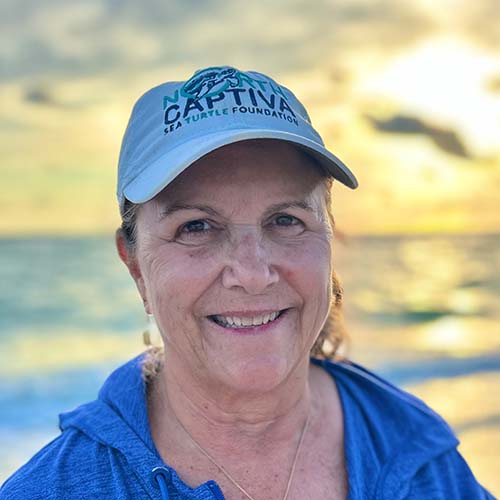
Tina Davis
“It’s always special to meet Pam early in the morning and ride to the preserve beach in the turtle cart. The day is full of surprises—from viewing the eagles in their nest, monitoring the established turtle nests, finding a new nest or doing hatched nest evaluations. It’s fun to meet new people interested in learning about our work and coming home with turtle nest adoptions!”
– Mary Ann Peach
Help Ensure the Future of Sea Turtles by Donating Today!
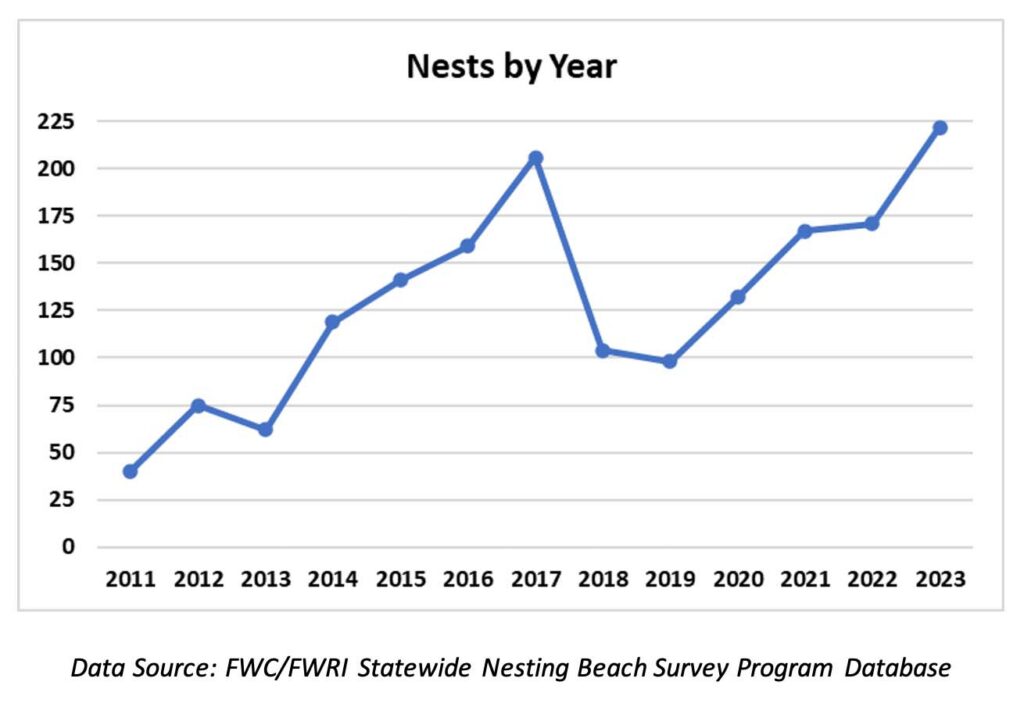
Our Work
We’re Counting on You!
To ensure the continued survival of our threatened and endangered marine turtles, please observe these best practices during the nesting & hatching season, April 15 – October 31:
1. Lights Out
All indoor and outdoor lights visible from the beach should be shielded, repositioned, replaced or turned off from 9:00 p.m. to 7:00 a.m. (close blinds or curtains).
2. Do Not Disturb
Do not touch or disturb nesting sea turtles, hatchlings or their nests. IT’S AGAINST THE LAW! If you find a dead, sick or injured sea turtle, please call the FWC’s 24-hour Wildlife Alert Number: 888-404-3922.
3. Nothing Left on the Beach at Night
Remove all beach furniture, chairs, umbrellas, tents, toys and trash from the beach nightly. Do not leave man-made teepees or huts on the beach at night.
4. No Holes
Fill in any holes dug after enjoying the beach each day.
5. No Fires on the Beach
Meet Our Sea Turtle Species
Loggerhead and Green Turtles are the species typically seen on North Captiva Island.
Did You Know?
- Unlike freshwater turtles and tortoises, sea turtles cannot withdraw their head or flippers into their shells.
- Sea turtles are marine reptiles and must come to the surface to breathe air.
- In all sea turtle species, adult males have long tails, while females’ tail are short.
- Adult females return to land to lay their eggs in the sand, generally in the area where they hatched decades earlier.
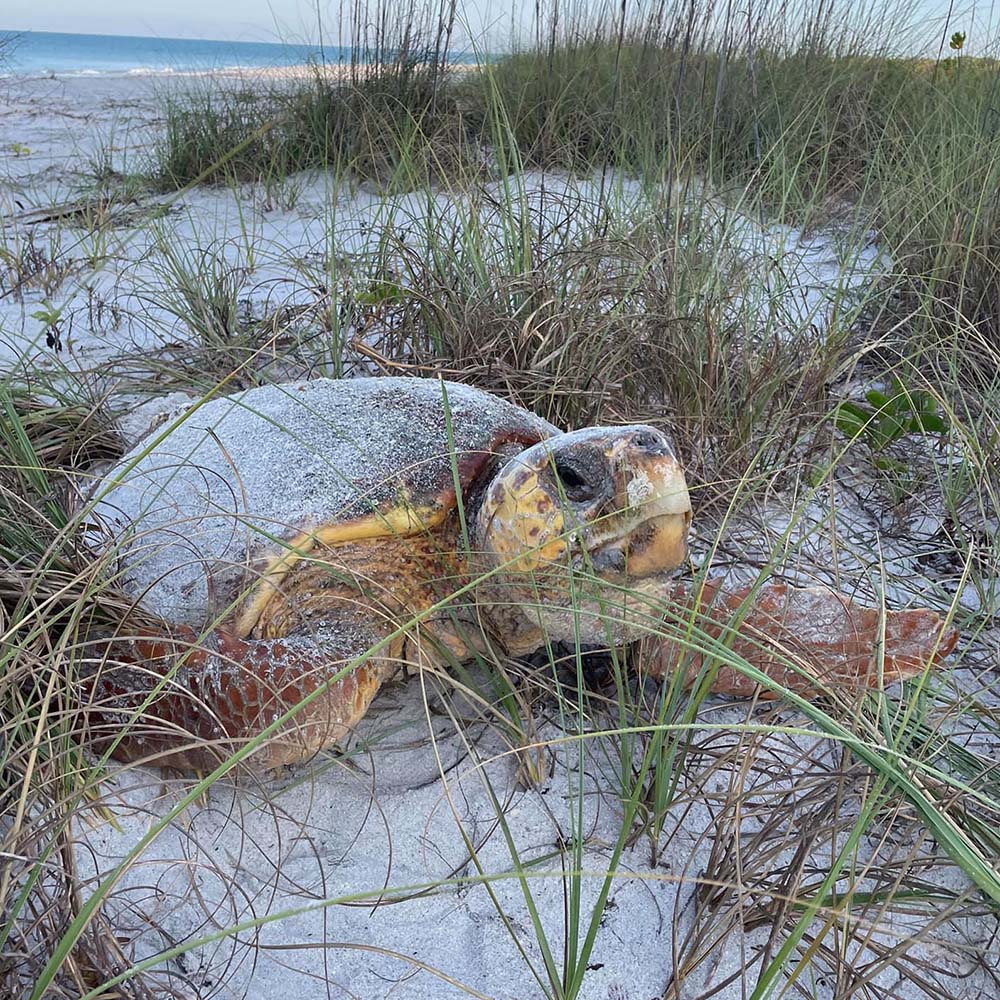
Loggerhead (Caretta caretta)
The loggerhead is the most common sea turtle in Florida and is named for its massive head that supports jaw muscles powerful enough to crush hard-shelled prey.
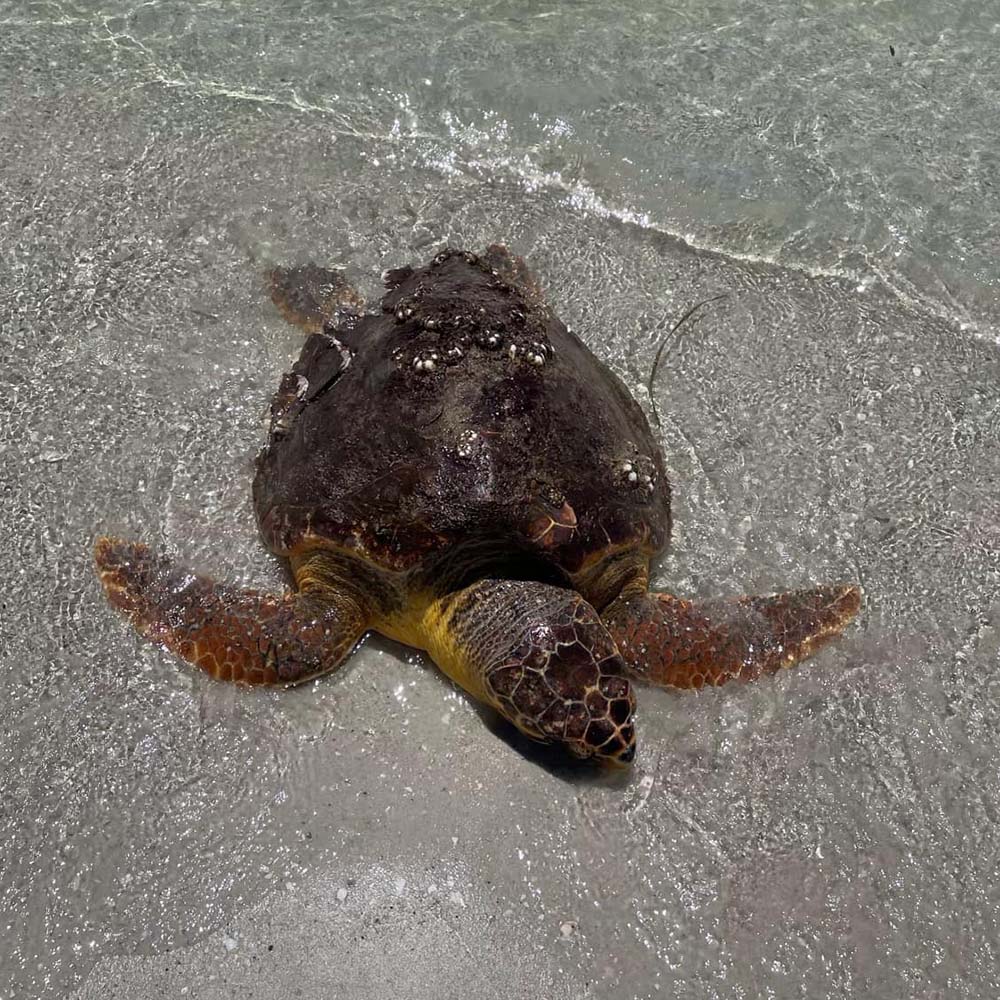
Green Turtle (Chelonia mydas)
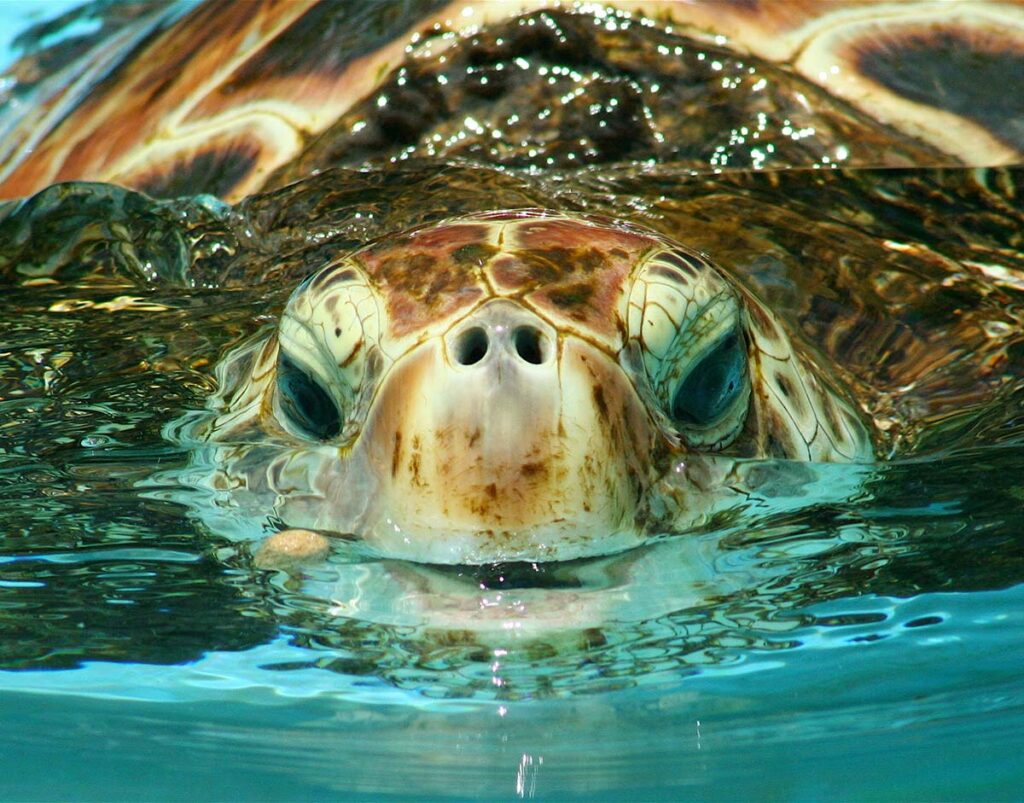
Known for their inquisitive faces and rounded shells, green turtles are generally not aggressive and may allow divers to get very close.
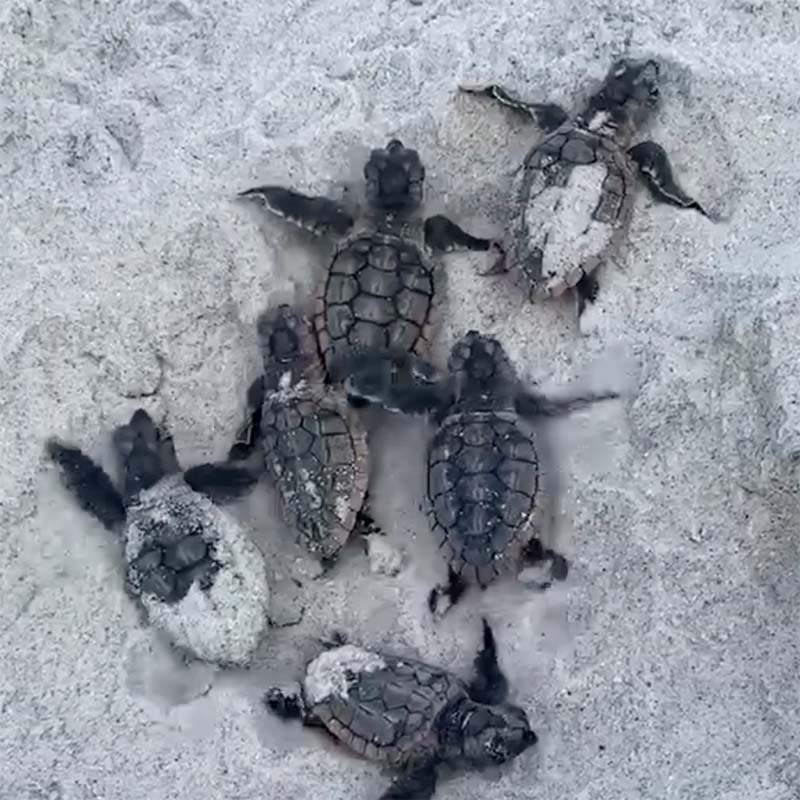
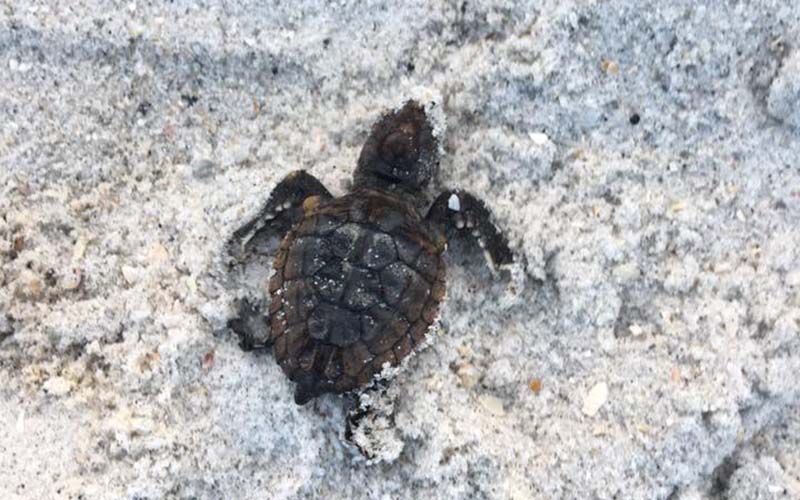
Baby Turtles (Hatchlings)
Baby turtles hatch approximately two months after the eggs are laid. They use an egg tooth called a carbuncle on the top of their beaks to rip through their leathery shell.
After leaving their egg, a group of hatchlings begins a “hatching frenzy,” crawling all over one another. The sand in the nest is knocked down and, using group effort, the nest slowly rises toward the surface of the beach. Small groups make it to the surface, but single hatchlings have difficulty, as they can lack the strength to climb out. We sometimes find these babies, called stragglers, when we evaluate nests.
Where Do Hatchlings Go?
After emerging from their nest in the dark, hatchlings usually find the gulf because the sky is slightly brighter over the water than land.
They also are drawn to the sound of the surf as well as the downward slope leading them to the water. Once a hatchling enters the ocean, a wave picks them up about 5-10 yards from the beach and carries them into deeper water. Using the Earth’s magnetic field to navigate, after a few days they are far from shore and, upon reaching large areas of seaweed, will rest and float in the currents.
Resources
Sanibel-Captiva Conservation Foundation (general conservation info for southwest Florida)
National Save the Sea Turtle Foundation (national/Florida)
Sea Turtle Conservancy (international)
Inwater Research Group (FL-based environmental education programs for young students)
Florida Fish and Wildlife Conservation Commission
Sea Turtle Adventures (FL – Palm Beach County)
Videos
Weather Channel 10.6.23 report on 2023 nesting season in Florida
Nat Geo Wild: Surviving Sea Turtles – Untamed (Costa Rica)