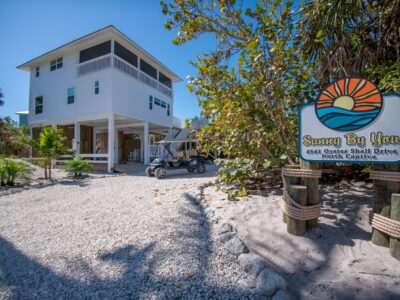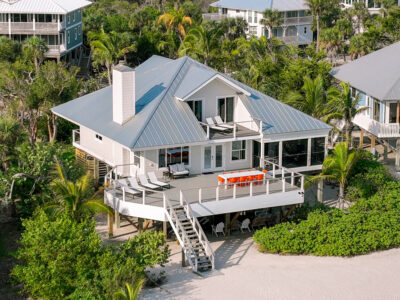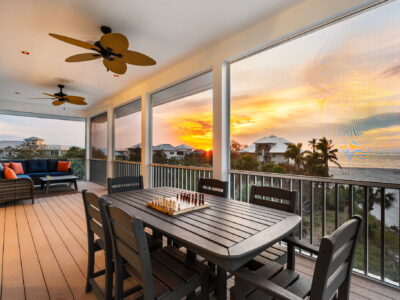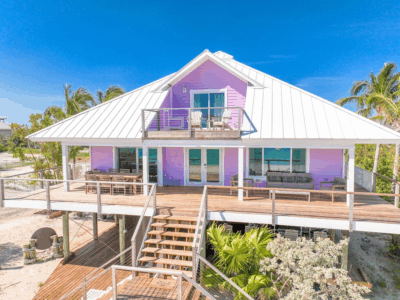
Golf Cart Rental North Captiva

Key Takeaways
- North Captiva Island is a car-free environment where golf carts serve as the primary mode of transportation.
- Most vacation rentals include golf carts; otherwise, carts can be rented from island clubs.
- Operators must be 16+, hold a valid driver’s license, and follow strict local rules, including no driving on beaches or preserves.
- Electric golf carts dominate, requiring nightly charging and basic care for smooth use.
- Ownership involves transporting carts by barge and securing on-island maintenance.
- Respectful driving and parking etiquette enhances the tranquil island atmosphere.
GOLF CARTS ARE NOT ALLOWED ON THE BEACHES OF NORTH CAPTIVA – IT IS AGAINST THE LAW
There is an implied Stop Sign at every intersection. Racing golf carts is prohibited.
If it rains, try to avoid driving through the puddles (we just drive around them) because it can stall the golf cart out if the battery gets wet. Make sure you hear a beep when charging the golf carts to verify its charging.
Please, go over the golf cart rules with your entire group. Only licensed, registered guests, minimum 16 years of age are authorized to drive. If an underage driver is reported, your property manager/owner will confiscate the carts, possible eviction from your rental, and keeping of your security deposit. Underage driving is illegal, and there’s been multiple accidents and injuries lately.
Please, be cautious and drive around the potholes and puddles to avoid damage to the golf carts. You are responsible for any damage, and will be without carts while they’re being repaired.
Please, report any damage to our golf carts right away to your property managers.
These reminders are to ensure you have the fantastic vacation you are entitled to, without added hassles.
****NOTE: Only licensed drivers 16 and over are permitted to drive our golf carts. There are NO EXCEPTIONS to this.
All About North Captiva Island Golf Carts
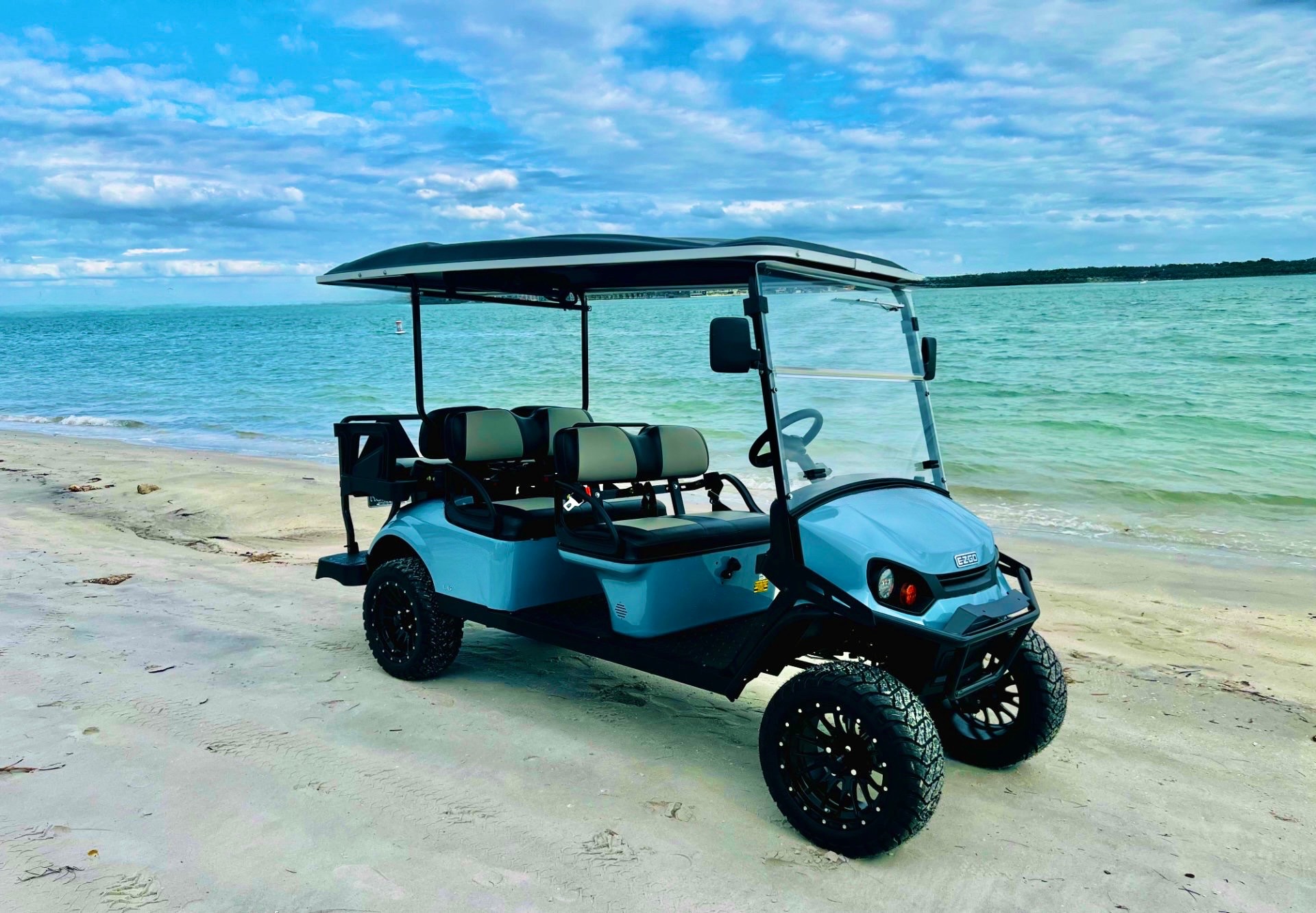
North Captiva Island’s unique, car-free layout makes golf carts essential for getting around. The island’s sandy trails stretch nearly 20 miles, connecting homes, clubs, beaches, and amenities over its roughly four-mile length. With no cars permitted, golf carts—mostly electric—offer a quiet, eco-friendly way to explore and transport everything from groceries to beach gear.
Most vacation rentals come with 4- or 6-seater golf carts included. If not, visitors can rent carts from providers like the North Captiva Island Club or Safety Harbor Club. Reservations are recommended, especially during peak season. Drivers must be at least 16 years old and carry a valid driver’s license to operate a cart legally.
Strict rules govern golf cart use. Speed limits cap at 20 mph on designated sandy roads and restrictions prohibit driving on beaches or in protected preserves to preserve the fragile ecosystem. Night driving requires carts equipped with headlights and safety lights. Parking is only allowed in designated areas, avoiding blocking paths or private property.
Electric carts need charging each night at your rental home to ensure reliable daily use. Taking care to secure keys and following island etiquette—like yielding and friendly waves—makes everyone’s experience safer and more enjoyable.
For homeowners, buying and transporting a cart involves barge logistics and on-island servicing. Understanding these rules, rental options, and best practices ensures your North Captiva stay is seamless and safe.
North Captiva Island golf carts are the primary mode of transportation on this car-free barrier island accessible only by boat or seaplane. These electric vehicles navigate the island’s sandy paths and shell-covered roads, connecting residents and visitors to beaches, restaurants, and rental properties across the 4-mile stretch.
Golf Cart Regulations and Rules
Golf cart operation on North Captiva requires adherence to specific guidelines. Drivers must be at least 16 years old with a valid driver’s license. Speed limits remain at 15 mph throughout the island. Cart capacity typically accommodates 4-6 passengers, and all vehicles must display proper registration stickers issued by the North Captiva Island Club.
Rental Options and Pricing
Weekly golf cart rentals range from $400-$800 depending on cart size and season. Most vacation rental properties include golf cart access in their packages. Independent rental companies like Island Girl Charters and North Captiva Island Club offer daily rates starting at $75-$125. Advanced reservations are essential during peak season (December-April) when availability becomes limited.
Maintenance and Safety Tips
Regular maintenance ensures safe operation on sandy terrain. Check tire pressure weekly, as soft sand requires proper inflation. Battery charging takes 6-8 hours for full capacity. Keep carts covered during storms to prevent salt damage. Essential safety equipment includes working headlights for evening travel, horn functionality, and intact seatbelts. Store carts on elevated surfaces during high tide events.
North Captiva’s unique ecosystem makes golf carts not just convenient but necessary for preserving the island’s pristine environment while providing reliable transportation for the approximately 400 homes and numerous vacation rentals scattered across this tropical paradise.
Life on a Car-Free Island: Why Golf Carts Are Essential
Living on a car-free island presents unique transportation challenges that reshape daily life. Without traditional vehicles, residents and visitors rely on golf carts as the primary mode of motorized transport, transforming these utility vehicles into essential infrastructure. Islands like Catalina Island in California and Bald Head Island in North Carolina have embraced this car-free lifestyle, with golf carts serving as ambulances, delivery vehicles, and family transportation.
The Island’s Unique Transportation Situation
Car-free islands implement vehicle restrictions for environmental preservation, noise reduction, and maintaining historic character. These communities typically prohibit personal automobiles through local ordinances established decades ago. On Mackinac Island, Michigan, the car ban dates to 1898, while Fire Island, New York, restricted vehicles in the 1960s to protect fragile dune ecosystems.
Golf carts fill the transportation gap by offering low-speed, environmentally friendly mobility that meets daily needs without compromising island character. Emergency services, construction crews, and residents all depend on these vehicles for essential functions. The absence of cars creates safer streets for pedestrians and cyclists while reducing air pollution by approximately 90% compared to traditional vehicle-dependent communities¹.
Getting Around: What Distances and Terrain to Expect
Most car-free islands span 2-15 square miles, with main villages typically within 1-3 miles of residential areas. Golf carts handle these distances efficiently at speeds of 15-25 mph. Island terrain varies from flat coastal paths to steep hillsides requiring carts with enhanced motors and braking systems.
Weather-resistant models with enclosed cabs prove essential for year-round island living, protecting occupants from rain, wind, and sun exposure while navigating sandy beaches, gravel paths, and paved roads.
¹ Environmental Protection Agency, Transportation and Air Quality Report, 2023
Your Guide to North Captiva Golf Cart Rentals: Top Providers and Booking Tips
Golf carts are essential transportation on car-free North Captiva Island. Most visitors rely on these electric vehicles to navigate the island’s sandy paths between beaches, restaurants, and attractions.
Is a Golf Cart Included with Your Vacation Rental?
Many vacation rentals on North Captiva include golf carts in their packages, particularly premium properties and those managed by established rental companies. Check your rental agreement carefully—some properties provide one cart per booking while others charge $350-500 weekly for cart rentals. Properties managed by Island Girl Charters and North Captiva Island Club typically include carts, while independent owners vary in their offerings.
Direct Rentals: Island Clubs and Other Options
The North Captiva Island Club serves as the primary golf cart provider, offering 4-6 passenger electric carts for independent renters. Island Girl Charters provides cart-included packages with their property rentals. Barnacle Phil’s Marina coordinates cart deliveries for arriving guests. Reserve directly through these providers at least 30 days ahead during peak season. Alternative options include bundled ferry-and-cart packages through Pine Island Marina.
Costs, Deposits, and Seasonal Advice
Weekly golf cart rentals range from $350-600 depending on capacity and season. Security deposits typically run $250-500, refundable upon undamaged return. Peak season (December-April) commands premium rates and requires 60-day advance booking. Off-season visitors enjoy 20-30% discounts and better availability. Multi-week rentals often receive 10% discounts. Book before arrival—island inventory is limited to approximately 200 carts. Consider 6-passenger carts for families; they cost only $50-75 more than 4-passenger models.
Rules of the Sandy Road: Essential Regulations for Driving on the Island
Eligibility: Driver’s License, Age Requirements, and Permits
Operating golf carts requires valid documentation depending on location. Most islands mandate drivers possess a valid driver’s license or learner’s permit. Minimum age typically ranges from 14-16 years with parental consent forms required for minors. Special golf cart permits cost $25-$50 annually and require proof of insurance. Visitors need temporary permits valid 7-30 days.
Where Golf Carts Can and Cannot Go
Golf carts operate exclusively on designated roads with speed limits under 35 mph. Prohibited areas include state highways, bridges exceeding 500 feet, and pedestrian-only zones. Beach access depends on local ordinances—many islands restrict beach driving during nesting season (May-October). Downtown districts often designate specific parking zones marked with blue signage.
Night Driving and Equipment Requirements
Sunset to sunrise operation requires functioning headlights, taillights, and reflectors. Turn signals and brake lights meeting DOT standards are mandatory. Windshields aren’t required but recommended. Seatbelts must be installed for each designated seating position. Horn or warning device audible from 200 feet ensures pedestrian safety.
Safety, Etiquette, and Enforcement
Maximum occupancy equals manufacturer’s seating capacity—no passengers on laps or standing. Blood alcohol limits mirror standard vehicle laws (0.08% BAC). Right-of-way follows standard traffic rules with pedestrians always having priority. Citations range from $50-$500 for violations. First offense warnings common for equipment violations; moving violations carry immediate fines. Insurance requirements match state minimums—typically $25,000/$50,000 bodily injury coverage.
Local enforcement conducts seasonal safety checkpoints focusing on equipment compliance and impaired driving during peak tourist months.
Choosing Your Ride: 4-Seater vs. 6-Seater and Electric Cart Essentials
Comparing Seating Options: Which Size Suits Your Group?
Four-seater carts excel for couples and small families, offering better maneuverability through narrow paths and tighter storage spaces. These models typically weigh 900-1,100 pounds and measure 8-9 feet in length. Six-seater carts accommodate larger groups, perfect for resort properties or multi-generational outings, though they require 11-12 feet of storage space and wider turning radius of 18-20 feet versus 15 feet for smaller models.
Consider your primary usage patterns: daily two-person trips favor 4-seaters, while frequent group transportation justifies the larger investment. Six-seaters cost 20-30% more initially but reduce per-person transportation costs when fully utilized.
Electric Golf Carts: Charging and Range Tips
Standard electric carts achieve 25-40 miles per charge with lithium batteries extending range to 60 miles. Charge overnight using standard 110V outlets (8-10 hours) or install 220V chargers for 3-4 hour charging. Temperature affects performance—expect 20% reduced range below 50°F.
Maximize battery life by maintaining 20-80% charge levels, avoiding complete depletion. Monthly equalization charges for lead-acid batteries prevent sulfation. Smart charging habits include unplugging after completion and storing carts at 50% charge during extended downtime.
What to Do If Your Cart Needs Service
Address warning signs immediately: unusual noises, reduced speed, or steering resistance indicate service needs. Basic troubleshooting includes checking tire pressure (20-25 PSI), battery water levels, and cable connections monthly.
Contact certified technicians for electrical issues, brake problems, or motor concerns. Keep service records documenting battery replacements (every 4-6 years), tire rotations (annually), and brake adjustments. Emergency roadside assistance packages cost $100-200 yearly, providing peace of mind for cart-dependent communities.
Citations:
- Battery range data: Electric Vehicle Association standards (2023)
- Storage dimensions: Golf Cart Manufacturers Association specifications (2024)
- Maintenance intervals: Club Car and E-Z-GO service manuals (2023)
Renting vs. Owning: What Homeowners Should Know
For North Captiva homeowners, the decision between renting and owning a golf cart involves unique logistical considerations beyond typical mainland purchases.
Bringing a Cart to North Captiva (Barge and Transport Services)
Transporting your cart requires Island Elite Barge Service ($450-650 round trip) or North Captiva Barge ($400-550)¹. Schedule deliveries 2-3 weeks ahead during peak season. Carts must be secured on trailers meeting DOT specifications. Alternative transport includes Pine Island Marine for oversized vehicles. Budget an additional $200-300 for mainland-to-dock transport from dealers in Fort Myers or Cape Coral.
Buying New vs. Used: Sourcing Your Island Vehicle
New carts from mainland dealers (Club Car, E-Z-GO, Yamaha) range $8,000-15,000 with warranties covering 2-4 years². Island-specific models feature salt-resistant components and enhanced suspensions. Used options ($3,500-7,000) available through North Captiva Property Management or private sellers save 40-60% but require thorough inspections for salt damage, battery health, and motor condition³. Verify ownership documentation and maintenance records before purchasing.
Maintenance, Repairs, and Battery Care for Owners
Island conditions demand monthly maintenance: rinse undercarriage to prevent salt corrosion, check tire pressure (20-25 PSI), lubricate moving parts with marine-grade products. Battery care extends lifespan 2-3 years: maintain water levels monthly, clean terminals quarterly, store at 80% charge during off-season⁴. Local mechanics charge $75-125/hour for repairs. Stock essential parts (belts, filters, fuses) since mainland deliveries take 5-7 days. Annual maintenance costs average $800-1,200 versus $0 for rentals.
¹Island Elite Barge Service pricing effective January 2024 ²National Golf Cart Association dealer survey, 2023 ³North Captiva Property Management inventory data, 2024 ⁴Golf Cart Battery Maintenance Guide, Battery University, 2023
Practical Tips for a Smooth and Safe Ride
Whether you’re navigating beach paths or resort grounds, golf cart safety starts with proper preparation and mindful operation. Understanding battery maintenance, security measures, and passenger safety transforms your cart experience from problematic to pleasant.
Charging Best Practices and Avoiding Battery Trouble
Charge your cart after every use, regardless of distance traveled. Golf cart batteries perform best when maintained between 20-80% charge levels. Avoid completely draining batteries, as deep discharges shorten lifespan by up to 50%¹.
Connect chargers in well-ventilated areas away from flammable materials. Check water levels monthly in flooded lead-acid batteries, adding distilled water only after charging completes. Smart chargers automatically shut off when complete, preventing overcharging damage that costs $800-1,200 in premature battery replacement².
Protecting Your Cart and Keys
Remove keys immediately after parking—theft occurs in seconds with keys present. Install wheel locks or steering wheel clubs for overnight storage, deterring opportunistic theft that affects 1 in 200 carts annually³.
Store carts in locked garages or use heavy-duty covers with cable locks. GPS trackers ($50-150) provide real-time location monitoring and theft recovery assistance. Document your serial number and photograph distinguishing features for insurance claims.
Transporting Children and Luggage Safely
Children under age 6 require secured car seats attached with manufacturer-approved brackets. Never allow standing passengers or exceed manufacturer weight limits (typically 800-1,200 pounds)⁴.
Secure luggage with bungee cords or cargo nets, distributing weight evenly. Heavy items belong on the floor, not seats. Check rearview visibility before departing—blocked mirrors cause 15% of cart accidents⁵. Install rear-facing seats only on carts designed for modification, maintaining proper weight distribution for safe braking and turning.
¹National Golf Cart Association Safety Guidelines, 2023 ²Battery Council International Maintenance Report, 2024 ³Resort Security Alliance Annual Statistics, 2023 ⁴Consumer Product Safety Commission Golf Cart Standards, 2024 ⁵Insurance Institute for Highway Safety Cart Study, 2023
Golf Cart Etiquette and Local Island Customs
The North Captiva Wave and Courtesy
North Captiva Island operates on golf cart time, where a simple wave transforms strangers into neighbors. The island wave isn’t optional—it’s the social currency that keeps this barrier island community connected. Every golf cart encounter demands acknowledgment, whether you’re passing fellow vacationers on Safety Harbor Club’s narrow paths or yielding to maintenance crews near the airstrip.
The wave itself follows an unwritten hierarchy. Year-round residents receive the full hand-off-the-wheel greeting, while vacation renters exchange quick finger lifts from the steering wheel. Speed matters less than courtesy—cruising at the island’s unofficial 15 mph limit gives everyone time to acknowledge each other properly. During peak season (December through April), expect to wave 20-30 times per trip between the north pool and Mainstay dock.
When and Where to Park (and When Not To)
Golf cart parking on North Captiva follows strict unspoken rules that preserve both beach access and neighborly relations. Never block beach access paths—the 12 public walkways between Mile Marker 1 and the state park remain sacred corridors. Park parallel to vegetation lines, leaving at least 6 feet clearance for emergency vehicles and larger service carts.
The Mango Beach Bar and Grille maintains designated cart spaces marked by weathered posts—overflow parking on the sand results in stuck carts and hefty towing fees. Avoid parking under Australian pines during wind events; falling branches damage rental cart canopies regularly. Private property boundaries extend to cart paths—respect “No Parking” signs near vacation rentals.
Beach parking requires special attention. Park above the high-tide line marked by seaweed deposits, facing your cart inland for quick storm evacuations. The firehouse and water tower areas prohibit all parking—emergency access takes precedence over convenience.
What To Do If Your Cart Breaks Down
A golf cart breakdown can turn a relaxing day into a stressful situation. Whether you’re on the course, in a gated community, or using your cart for daily transportation, knowing the right steps to take when your vehicle fails is essential. This guide provides immediate actions and practical solutions to get you moving again quickly and safely.
Emergency Contacts and Service Providers
When your cart stops working, call your local golf cart dealer first – they typically offer mobile repair services and can diagnose issues over the phone. Keep these numbers programmed in your phone: manufacturer hotline (check your owner’s manual), nearest authorized service center, and a specialized golf cart towing service that won’t damage your vehicle’s frame or electrical components.
Most golf courses maintain on-site mechanics during operating hours who can perform basic repairs or provide temporary assistance. Community management offices in retirement villages often contract with cart repair services offering same-day response times. For electric carts experiencing sudden power loss, contact certified electrical technicians familiar with 36V and 48V systems rather than general automotive mechanics.
Document your cart’s serial number, model, and warranty information in your phone for faster service dispatch.
Temporary Transportation Solutions
Request a courtesy cart from the pro shop or clubhouse – most facilities keep spare vehicles for emergencies. Golf courses typically send maintenance staff with utility carts to transport stranded players back to the clubhouse at no charge.
For residential communities, arrange rides through neighbor networks or community shuttle services that many HOAs provide. Ride-sharing services now operate in most golf-cart friendly areas, though confirm they’ll transport clubs or cargo. Some cart dealers offer loaner programs during extended repairs, especially for customers under warranty or service contracts.
Consider portable jump starters designed for golf carts ($75-150) as backup power to reach the nearest charging station or repair facility.
How North Captiva Differs from Nearby Islands: Sanibel & Captiva
While Sanibel and Captiva Islands welcome visitors with traditional beach resort amenities and paved roads accommodating cars, trucks, and bicycles, North Captiva Island operates on an entirely different transportation philosophy. This remote barrier island, accessible only by boat or seaplane, has no bridge connection and prohibits standard vehicles entirely.
Transportation Culture on Sanibel and Captiva
Sanibel and Captiva maintain 25 miles of paved roads with bike paths running parallel to major thoroughfares. Visitors navigate these islands using rental cars, ride-sharing services, or the island trolley system. Traffic can build during peak season, particularly near the Sanibel Causeway toll plaza where visitors pay $6 to access the island. Both islands enforce a 35 mph speed limit to protect wildlife, especially during turtle nesting season from May through October.
Why the All-Golf-Cart Approach Creates a Unique Visitor Experience
North Captiva’s golf-cart-only transportation transforms the entire island experience. Without engine noise or exhaust fumes, visitors hear ocean waves from anywhere on the 4-mile-long island. The 15 mph golf cart speed naturally slows life’s pace, encouraging spontaneous conversations with neighbors and wildlife viewing opportunities. This vehicle restriction preserves the island’s pristine beaches and protects the 380-acre state park from erosion. Families feel safer letting children explore independently, knowing every vehicle moves at bicycle speed. The absence of parking lots and traffic lights maintains the island’s undeveloped character, creating an atmosphere reminiscent of Caribbean hideaways rather than Florida’s typical beach destinations.
Frequently Asked Questions About North Captiva Island Golf Carts
North Captiva Island operates entirely without paved roads, making golf carts the primary transportation method for residents and visitors. Understanding golf cart logistics enhances your island experience and ensures safe, enjoyable exploration of this barrier island paradise.
Do I Need a Golf Cart for My Whole Trip?
Golf carts prove essential for North Captiva visits exceeding one day. The island stretches four miles with no public transportation, and properties often sit considerable distances from restaurants, beaches, and amenities. Most vacation rentals include golf cart access or offer rental arrangements through local providers. Walking remains feasible for short distances, but carrying beach gear, groceries, or navigating multiple daily activities becomes challenging without motorized transport. Many visitors rent carts for their entire stay at approximately $50-75 per day.
Are Golf Carts Safe for Kids and Pets?
Golf carts accommodate families safely when following basic precautions. Children must remain seated while moving, and operators should maintain speeds under 15 mph on sandy paths. Install safety straps or barriers for younger children. Pets travel comfortably in carts with proper restraints or carriers. Small dogs fit in laps or footwells, while larger breeds require designated seating space. Never allow pets to jump from moving carts. The island’s slow-paced environment and minimal traffic create safer conditions than mainland roads.
Are Golf Carts Allowed on the Beach?
Beach driving restrictions apply strictly on North Captiva. Golf carts cannot drive directly on beach sand to protect sea turtle nesting sites and preserve dune systems. Designated parking areas exist at beach access points throughout the island. Park carts at marked spots near boardwalks or paths leading to beaches. Violations result in fines starting at $250. The island enforces these rules year-round, with increased monitoring during turtle nesting season from May through October.
Is a Driver’s License Required to Operate a Golf Cart on North Captiva?
Yes. Drivers must be 16 years or older and carry a valid driver’s license at all times while operating a golf cart on the island.
Can I Drive a Golf Cart at Night?
Night driving is only allowed if the cart is equipped with required safety features such as headlights, brake lights, turn signals, and a windshield. Otherwise, carts should be operated during daylight hours only.
How Do I Rent a Golf Cart if My Vacation Rental Doesn’t Include One?
You can rent directly from clubs like the North Captiva Island Club or Safety Harbor Club. It’s essential to book in advance, especially in peak season, to secure availability.
What Should I Do If My Rental Golf Cart Breaks Down?
Contact your rental management company or the club that provided the cart immediately. They have on-island maintenance teams to assist with repairs or replacements.
Can I Buy and Bring My Own Golf Cart to North Captiva?
Yes, but transporting a cart requires coordination via barge or freight services, with associated costs. Maintenance support is available on the island through specialized mechanics.
How Much Does Golf Cart Rental Typically Cost?
When included with your vacation rental, costs are bundled in. Separate rentals vary based on season and provider, so advance booking and pricing confirmation are recommended
What Are the Rules for Parking Golf Carts on the Island?
Park only in designated areas at clubs, restaurants, and beach access points. Avoid blocking roads or private property to respect local rules and property owners.