North Captiva Island Weddings: A Complete Guide to Island Ceremony Planning
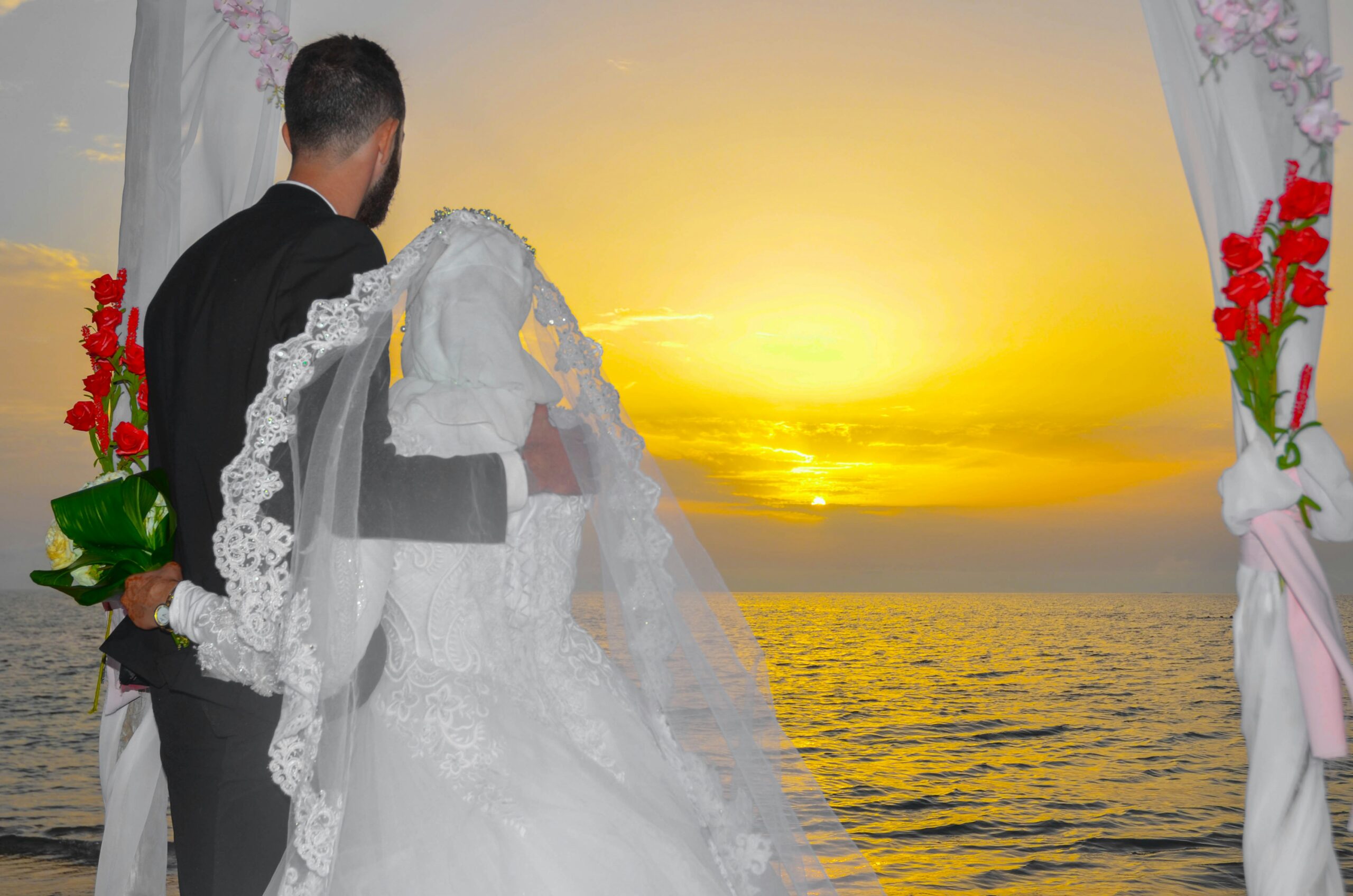
North Captiva Island weddings are intimate, boat-access ceremonies held on a pristine barrier island in Southwest Florida with no bridges, roads, or cars. Unlike its connected neighbor Captiva Island, North Captiva requires water transportation via ferry or private charter, creating an exclusive, conservation-focused wedding experience limited to private estates, club venues, and natural beachfront locations.
This guide explains the logistical realities, venue options, and environmental considerations that make North Captiva Island one of Florida’s most unique—and challenging—wedding destinations.
Planning Your North Captiva Island Wedding Experience
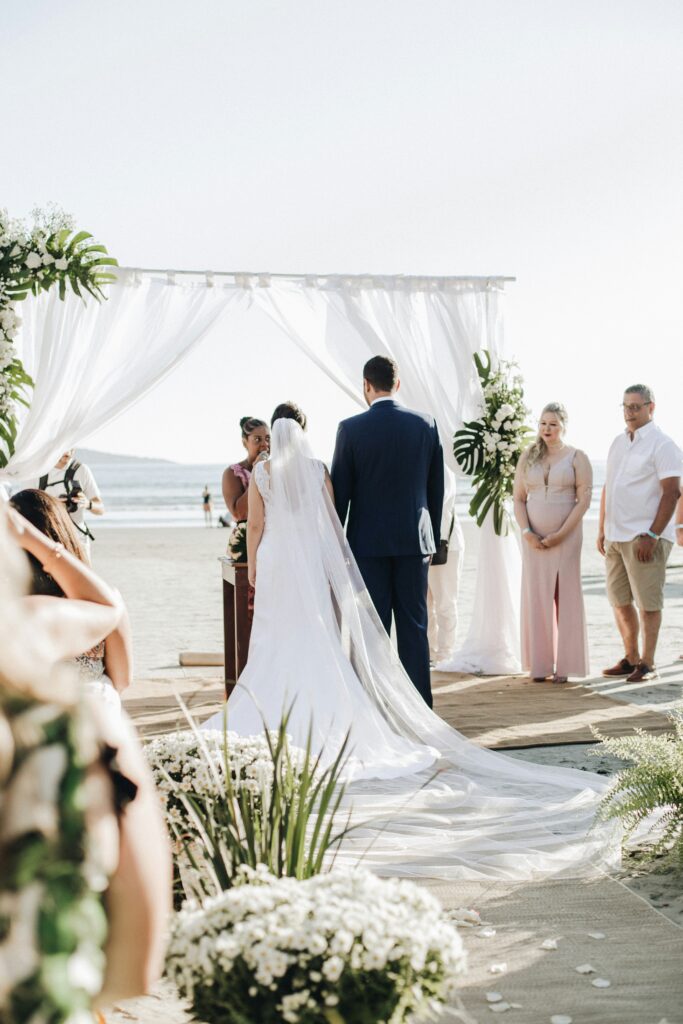
North Captiva Island weddings require coordination across multiple service providers and logistical systems. Whether you’re planning a private estate celebration or a club venue ceremony, these resources will help you navigate the island’s unique requirements:
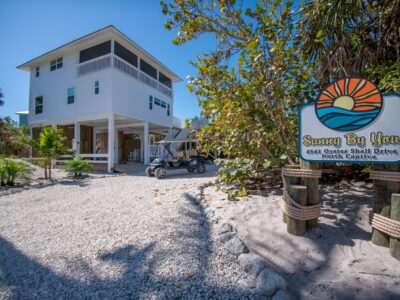
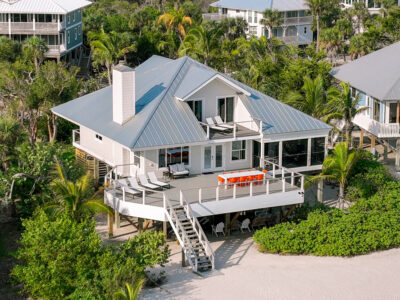
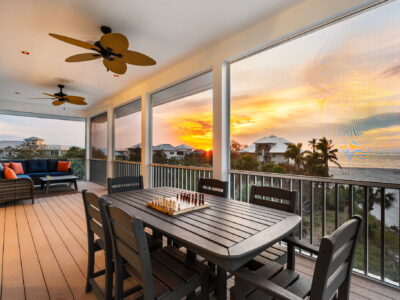
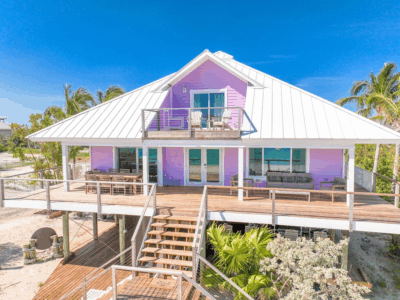
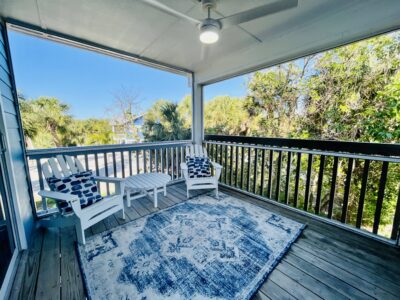
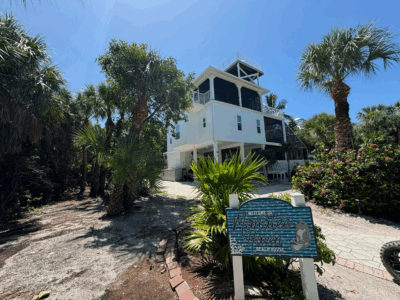
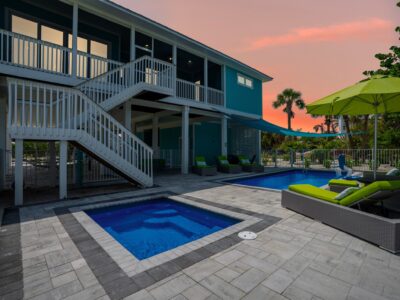
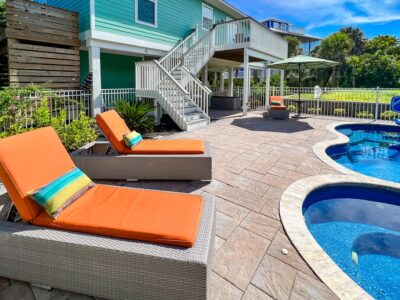
- Browse North Captiva vacation rentals for wedding party accommodations — Private estate clusters serve as “village-style” lodging for your guests
- Learn about Island Club at North Captiva venue options — The island’s primary club facility offers poolside and waterfront ceremony sites
- Find private chefs for your rehearsal dinner or reception — Island-based culinary professionals who understand barge logistics and provisioning
- Connect with island wedding photographers — Local photographers familiar with tide schedules, lighting conditions, and access points
- Coordinate with local clergy and officiant services — Officiants experienced with boat-access ceremony timing and backup weather protocols
Understanding North Captiva Island: The Bridgeless Difference
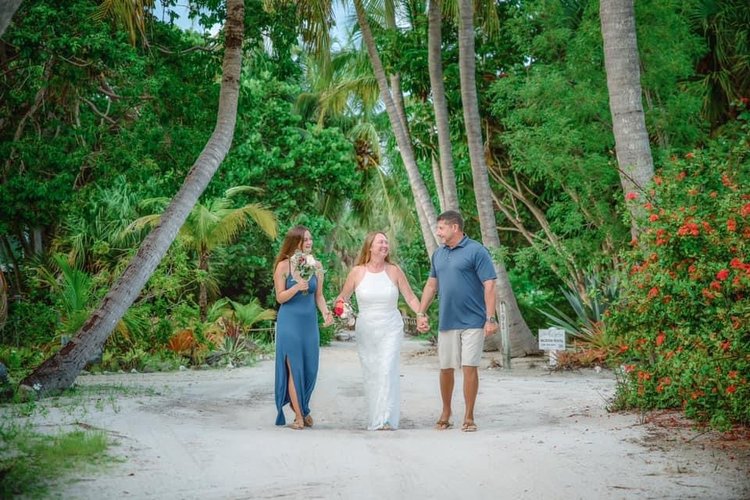
North Captiva Island sits approximately 3.5 miles north of Captiva Island in Lee County, Florida. This distinction matters more than geography suggests. While Captiva and Sanibel Islands connect to the mainland via the Sanibel Causeway, North Captiva remains accessible only by boat or private aircraft.
The island has no paved roads, no cars, and no commercial development beyond the Island Club North Captiva and a small collection of private homes. Transportation occurs exclusively via golf cart on shell-packed paths. This creates the seclusion many couples seek—but it also introduces logistical complexity that mainland planners frequently underestimate.
The “Captiva Confusion” Problem: Search results often conflate “Captiva weddings” with “North Captiva weddings.” The former offers bridge access, multiple resorts, and conventional vendor logistics. The latter requires ferry coordination, barge scheduling, and a fundamentally different planning approach. Couples who arrive expecting Captiva-level accessibility often face day-of surprises.
North Captiva’s remoteness serves as both filter and feature. It attracts couples willing to embrace logistical challenges in exchange for true privacy. Your wedding won’t compete with resort events or public beach traffic. The island’s 750-acre size and limited private ownership mean your celebration remains genuinely exclusive.
Wedding Venue Options on North Captiva Island
North Captiva offers three primary venue categories, each with distinct logistical profiles:
Island Club North Captiva
The Island Club North Captiva operates as the island’s semi-public venue option, offering waterfront ceremony sites near the marina and ferry dock. The club’s proximity to the main arrival point simplifies guest transport and vendor access. Equipment and supplies arrive via the same ferry system guests use, reducing the need for separate barge coordination.
The club provides basic infrastructure—restrooms, covered pavilion space, and established vendor relationships. However, it operates within shared-use constraints. Other island residents and club members frequent the facility, limiting your ability to control the entire environment.
Private Estate Ceremonies
The majority of North Captiva weddings occur on private estate properties, either owned by the couple’s family or rented specifically for the event. This model offers complete environmental control and true privacy, but demands sophisticated logistics.
Private estates require the “village cluster” approach: booking multiple nearby rental homes to accommodate your wedding party and guests. Unlike hotel blocks where everyone stays in one building, your guests occupy separate homes within golf cart distance of each other and the ceremony site.
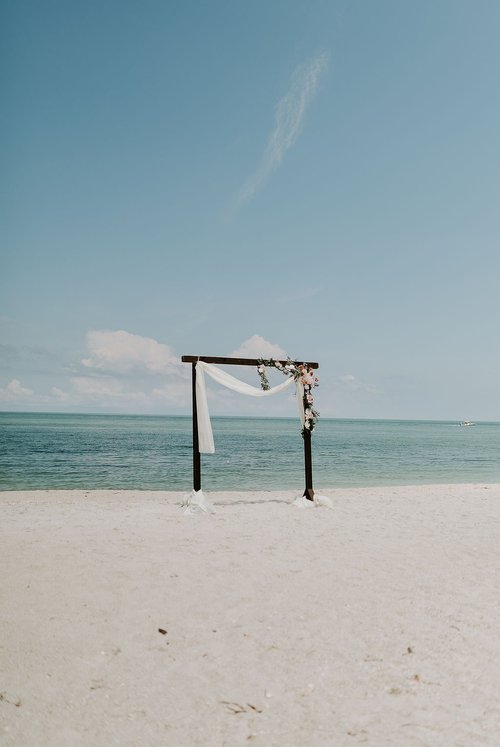
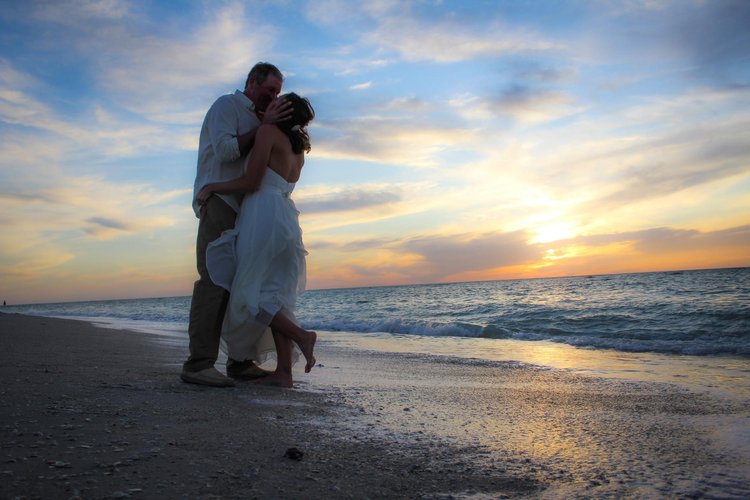
Sunset Beach represents the island’s favorite beach ceremony location, accessible via shell path and offering unobstructed Gulf views. The remoteness creates dramatic photography opportunities but requires careful planning for elderly or mobility-limited guests navigating uneven terrain.
The Salty Approach Airstrip
For couples with aviation access, The Salty Approach airstrip enables private aircraft arrivals, bypassing ferry schedules entirely. While few couples use this as a ceremony venue, it serves as a high-end arrival experience for VIP guests or couples making a statement entrance.
The airstrip location also provides a neutral gathering point for golf cart convoys heading to ceremony sites elsewhere on the island.
The Logistics of Island Wedding Planning
North Captiva wedding logistics operate on a fundamentally different system than mainland events. The “barge-first supply chain” concept determines what’s possible and when.
Ferry vs. Barge: Understanding Island Transportation
Passenger Ferries (Island Girl Charters and Island Club): These vessels transport people, small personal items, and hand-carried supplies. Your guests arrive via scheduled or chartered ferry service. Photographers can bring cameras and portable equipment. What ferries cannot accommodate: catering equipment, large floral installations, rental chairs, tent structures, sound systems, or any item exceeding carry-on luggage size.
Commercial Barge Service: Heavy equipment, bulk supplies, and vendor materials arrive via commercial barge on a fixed schedule (typically 2-3 times weekly, weather permitting). Wedding rentals—tables, chairs, linens, staging—must coordinate with barge timing, not your preferred setup schedule.
This creates the critical planning constraint most mainland planners miss: your wedding date must align with barge availability for pre-event delivery and post-event pickup. A Saturday wedding requires Thursday or Friday barge delivery, meaning vendors lose 1-2 days of rental inventory. This increases costs and limits vendor willingness to service the island.
The “Barge Buffer” Rule: Experienced island planners build 48-hour buffers into equipment timelines. Weather delays, mechanical issues, or schedule changes can strand equipment on the mainland or on the island. Your backup plan must account for the possibility that rental items arrive late or cannot be retrieved on schedule.
Golf Cart Fleet Management
Moving 50+ wedding guests across the island requires coordinated golf cart logistics that resemble a small transportation company more than traditional wedding shuttling.
Most private estates include 1-2 golf carts with the rental. For a wedding party of 40-60 people, you’ll need to secure 8-12 additional carts from island rental services or coordinate with other property owners. Each cart seats 4-6 people depending on configuration.
The Convoy System: Successful island weddings operate on a “convoy” model with designated drivers and staggered departure times. Guests depart from their rental clusters in waves, following marked routes to the ceremony site. A single wrong turn on unmarked shell paths can delay an entire group.
Experienced planners assign a “cart captain” to each rental cluster—someone who has pre-driven the route and can navigate confidently. For evening events, carts require functional headlights, as the island has no street lighting.
Vendor Coordination and Timeline Constraints
Island vendors operate on different timelines than mainland services. Chef Becca Feindeisen and other island-based culinary professionals understand the provisioning constraints: ingredients arrive via ferry, refrigeration capacity is limited, and backup supplies require a boat trip.
Mainland vendors willing to service North Captiva often charge premium rates to offset travel time, ferry costs, and the risk of weather delays. A Fort Myers-based florist might charge 40-60% more for North Captiva delivery than a comparable Sanibel event.
The “Island Expert” Advantage: Planners like Jen Richardson who live on or regularly work on North Captiva bring institutional knowledge of barge schedules, cart rental availability, tide timing, and which vendors reliably execute boat-access events. Their value isn’t design expertise—it’s logistical fluency in an environment where a missed ferry can collapse an entire timeline.
Guest Accommodations: The Private Estate Cluster Model
North Captiva has no hotels, resorts, or traditional wedding venue lodging. Your guests will stay in private vacation rental homes scattered across the island.
How the “Village Cluster” Works
Rather than booking a single hotel with a room block, you’ll reserve multiple rental properties in proximity to each other and your ceremony site. A typical 50-person wedding might book:
- One large estate (6-8 bedrooms) for the immediate wedding party
- Two mid-size homes (3-4 bedrooms each) for extended family
- Three smaller cottages (2 bedrooms) for remaining guests
This creates a “private village” where your wedding party occupies an entire neighborhood. Guests golf cart between homes for pre-wedding gatherings, getting-ready sessions, and post-ceremony celebrations.
Grocery Provisioning and Pre-Arrival Stocking
The island has no grocery stores, restaurants (beyond Safety Harbor Club’s limited service), or convenience shops. Guests must bring all food, beverages, and supplies via ferry or arrange pre-arrival provisioning.
The Provisioning Service Model: Property management companies and independent services offer pre-stocking for rental homes. You provide a grocery list and the service shops mainland stores, transports items via ferry, and stocks refrigerators before guest arrival. This prevents the chaotic first-day ferry trip where 50 people try to transport groceries via golf cart.
For wedding weekends, provisioning becomes critical. Your guests arrive Friday, attend rehearsal dinner Friday night, participate in the wedding Saturday, and depart Sunday. Without pre-stocked homes, they lose half of Friday to grocery logistics.
The Social Hub: Mainstay and Barnacles Way
The island’s limited commercial development means your wedding weekend social life centers on private homes and the Island Club area. Barnacles Way and the paths near Mainstay serve as informal gathering points where golf cart traffic naturally converges.
Experienced couples plan “porch parties” and casual gatherings at rental homes rather than expecting restaurant or bar options. The island’s 10 PM noise ordinance (strictly enforced to protect residential tranquility) means late-night celebrations occur indoors or conclude early.
Seasonal Considerations and Environmental Factors
North Captiva’s environmental conditions directly impact wedding planning in ways mainland venues don’t experience.
Sea Turtle Nesting Season (April-October)
Florida law protects sea turtle nesting sites April 15 through October 31. Beach ceremonies during this period face restrictions on:
- Lighting: No artificial lighting on beaches after dark (affects evening receptions and photography)
- Structures: Limited ability to install arches, chairs, or decorations that might obstruct nesting turtles
- Cleanup protocols: Immediate post-event removal of all materials to prevent interference with hatchlings
Ceremonies during turtle season require coordination with the North Captiva Conservation & Beautification Foundation to ensure compliance. Some beach locations become entirely off-limits during peak nesting periods.
The Conservation Trade-Off: While restrictions add complexity, they reinforce North Captiva’s environmental authenticity. Couples seeking “eco-luxury” can position their wedding as actively supporting conservation—a narrative competitors on developed islands cannot claim.
Sand Fleas and No-See-Um Mitigation
Southwest Florida’s “no-see-ums” (biting midges) and sand fleas create the single most common guest complaint at island weddings. These insects peak during low-wind conditions at dawn and dusk—precisely when couples prefer ceremony timing for lighting.
The Wind-Pattern Strategy: Experienced planners schedule ceremonies during periods of sustained Gulf breeze (typically mid-afternoon or late morning). Wind speeds above 8-10 mph significantly reduce insect activity. Checking marine forecasts for wind patterns becomes as important as checking rain probability.
Eco-Safe Treatment Protocols: Professional pest control services offer pre-event treatment using products approved for coastal environments. Applications occur 24-48 hours before the ceremony and focus on the immediate ceremony site perimeter. However, treatments provide mitigation, not elimination—guests should still receive advance notice to bring insect repellent.
The “Guest Prep” Communication: Successful island weddings include detailed guest preparation guides covering insect reality, appropriate footwear for shell paths, sun protection, and the lack of commercial amenities. Setting accurate expectations prevents day-of disappointment.
Weather Patterns and Backup Planning
North Captiva sits fully exposed to Gulf weather systems with no infrastructure for large-scale indoor backup. Summer months (June-September) bring daily afternoon thunderstorms and hurricane season risks.
Tent rentals provide weather protection but require barge delivery and professional installation on soft sand or shell base—a complex and expensive undertaking. Many couples opt for the “seasonal strategy”: plan winter/spring weddings (November-April) when weather reliability increases and turtle restrictions don’t apply.
Sample Wedding Weekend Timeline
Understanding how a typical North Captiva wedding weekend flows helps clarify the logistical coordination required:
Friday: Arrival Day
- 10:00 AM – 2:00 PM: Staggered ferry arrivals for wedding party and early guests (Island Girl Charters runs multiple trips)
- 2:00 PM – 4:00 PM: Golf cart distribution and rental home check-ins across the island
- 4:00 PM – 5:00 PM: Welcome gathering at main wedding party estate (orientation for guests unfamiliar with island)
- 6:30 PM: Golf cart convoy departs rental clusters for rehearsal dinner at Safety Harbor Wharf
- 7:00 PM – 9:30 PM: Rehearsal dinner (concludes before 10 PM noise ordinance)
- 9:30 PM – 10:00 PM: Cart convoy returns guests to rental homes
Saturday: Wedding Day
- 8:00 AM – 12:00 PM: Vendor setup (if barge delivered equipment Friday, setup begins early Saturday)
- 12:00 PM – 4:00 PM: Wedding party preparation across rental homes (hair/makeup teams travel via golf cart between locations)
- 4:30 PM: Guest cart convoy begins (staggered departures from rental clusters)
- 5:00 PM: Ceremony begins (timed for optimal light and wind conditions)
- 5:30 PM – 6:00 PM: Cocktail hour at ceremony site or nearby estate
- 6:00 PM – 9:30 PM: Reception (must conclude before noise ordinance)
- 9:30 PM – 10:00 PM: Guest departure via cart convoy
- 10:00 PM: Quiet hours begin (any remaining celebration moves indoors)
Sunday: Departure Day
- 8:00 AM – 10:00 AM: Vendor breakdown and equipment staging for barge pickup (often occurs Monday/Tuesday)
- 10:00 AM – 2:00 PM: Guest checkout from rental homes
- 12:00 PM – 4:00 PM: Staggered ferry departures back to mainland
The Timeline Reality: This schedule assumes perfect weather, on-time ferries, and coordinated guests. Experienced planners build 30-minute buffers into every transition and prepare backup communication systems (the island has limited cell service in some areas).
Working with Island Vendors and Service Providers
North Captiva’s vendor ecosystem differs significantly from mainland markets. The island supports a small network of providers who specialize in boat-access logistics.
Local Planning Expertise
Jen Richardson represents the category of island-resident planners who bring logistical mastery rather than just design services. Her value proposition centers on knowing which barge company reliably delivers on schedule, which cart rental service maintains equipment properly, and how to navigate the island’s informal social systems.
Mainland planners can execute North Captiva weddings, but they operate at an information disadvantage. They don’t know that the shell path to Joseffa’s Point becomes impassable after heavy rain, or that certain rental properties have inadequate cart storage for large wedding parties.
Culinary Services and Catering
Chef Becca Feindeisen and other island-based culinary professionals understand the provisioning constraints that mainland caterers often underestimate. Island chefs know:
- Which ingredients must be sourced mainland vs. what’s available through island suppliers
- How to plan menus around limited refrigeration capacity in rental homes
- Backup protocols when ferry delays strand ingredients on the mainland
- Waste management systems that comply with island conservation standards
Mainland catering companies willing to service North Captiva typically require minimum guest counts (40-50+) to justify the ferry transport costs and logistical complexity.
Transportation: Island Girl Charters/Island Club North Captiva Ferry
Island Girl Charters and Island Club North Captiva are the primary passenger ferry services between Pineland (mainland) and North Captiva. For weddings, this means coordinating:
- Group charter rates for wedding party arrival/departure
- Schedule modifications to accommodate guest timing (standard ferry runs may not align with your ceremony schedule)
- Luggage capacity planning (guests bringing wedding attire, gifts, and weekend supplies)
- Backup weather protocols (what happens if Saturday morning ferry cancels due to weather?)
Experienced planners book ferry capacity months in advance and communicate detailed boarding instructions to guests.
Equipment Rentals and Barge Coordination
Rental companies serving North Captiva charge premium rates and require extended rental periods. A chair rental that costs $8 per chair on Sanibel might cost $15-20 on North Captiva once you factor in:
- Barge transport fees (charged per trip, not per item)
- Extended rental duration (items occupy inventory from Thursday delivery through Monday pickup)
- Risk premiums for weather delays and equipment damage during transport
The “All-In” Vendor Preference: Couples often find better value working with vendors who provide comprehensive packages (chairs + tables + linens + delivery) rather than piecing together multiple suppliers, each charging separate barge fees.
Frequently Asked Questions
How do vendors get their equipment to the island if there are no bridges?
Large equipment, rental items, and bulk supplies arrive via commercial barge service that runs 2-3 times weekly on a fixed schedule. Wedding planners must coordinate rental delivery with barge timing, typically requiring Thursday or Friday delivery for Saturday events. Small items and hand-carried supplies can arrive via passenger ferry, but anything larger than carry-on luggage requires barge transport.
Is there a hotel block available for wedding guests on North Captiva?
No. North Captiva has no hotels or resorts. Guests stay in private vacation rental homes scattered across the island. Successful wedding planners book clusters of nearby rental properties to create a “private village” for the wedding party, with guests occupying 3-5 separate homes within golf cart distance of each other.
What happens if a medical emergency occurs during the event?
North Captiva has no hospital, urgent care, or emergency medical facilities. Medical emergencies require evacuation via boat to the mainland (approximately 20-30 minutes to Pineland, then ground transport to Fort Myers medical facilities). Lee County EMS provides marine ambulance service, but response times significantly exceed mainland standards. Couples should ensure guests with serious medical conditions understand this limitation and consider whether island attendance is appropriate.
Can we host a beach bonfire reception on North Captiva?
Beach fires face strict regulation on North Captiva. During sea turtle nesting season (April-October), beach fires are prohibited entirely. Outside nesting season, fires require permits and must comply with size restrictions and cleanup protocols. Many couples opt for alternative lighting (solar lanterns, LED installations) rather than navigating fire permit complexity.
How does the grocery stocking work for guests staying in rental homes?
Property management companies and independent provisioning services offer pre-arrival grocery stocking. Guests provide shopping lists, the service purchases items at mainland stores, transports them via ferry, and stocks refrigerators before check-in. This eliminates the chaotic first-day grocery run that would otherwise consume half of Friday. Provisioning fees typically run $75-150 per home plus grocery costs.
Are there restrictions on beach weddings during sea turtle nesting season?
Yes. April 15 through October 31 brings legal restrictions on beach lighting, structures, and activities that might interfere with nesting turtles or hatchlings. Evening ceremonies face lighting prohibitions, decorative structures must avoid nesting zones, and immediate post-event cleanup becomes mandatory. Some beach locations close entirely during peak nesting. Coordination with the North Captiva Conservation & Beautification Foundation ensures compliance.
What is the difference between North Captiva and Captiva Island?
Captiva Island connects to Sanibel Island via bridge, which connects to mainland Florida via the Sanibel Causeway. Captiva has paved roads, car access, multiple resorts, restaurants, and conventional infrastructure. North Captiva sits 3.5 miles north and remains accessible only by boat or private aircraft. It has no cars, no paved roads, no commercial development beyond Safety Harbor Club, and transportation occurs exclusively via golf cart. The logistical complexity and isolation differ dramatically despite the similar names.
Conservation Through Community
North Captiva weddings contribute directly to island conservation efforts through the North Captiva Conservation & Beautification Foundation, a nonprofit organization that manages environmental protection, native habitat restoration, and sustainable development guidelines.
Wedding events that follow foundation protocols—waste-zero cleanup, turtle-safe lighting, native plant landscaping—support the conservation mission that preserves the island’s pristine character. This creates authentic “eco-luxury” positioning that developed resort islands cannot claim.
For couples seeking meaningful ceremony locations, North Captiva offers the rare opportunity to celebrate in an environment actively protected from commercialization. Your wedding doesn’t just happen in a beautiful place—it supports the systems that keep it beautiful.