Nov 20, 2026 · Written by Marvelous O. for Visit North Captiva
The short answer: North Captiva is a quiet barrier island where you can see loggerhead sea turtles nesting in the warmer months, gopher tortoises in the dunes, shorebirds on the sand and dolphins offshore. The best way to see it all is slowly: walk, bike or take a golf cart, keep your distance, and leave the animals alone.
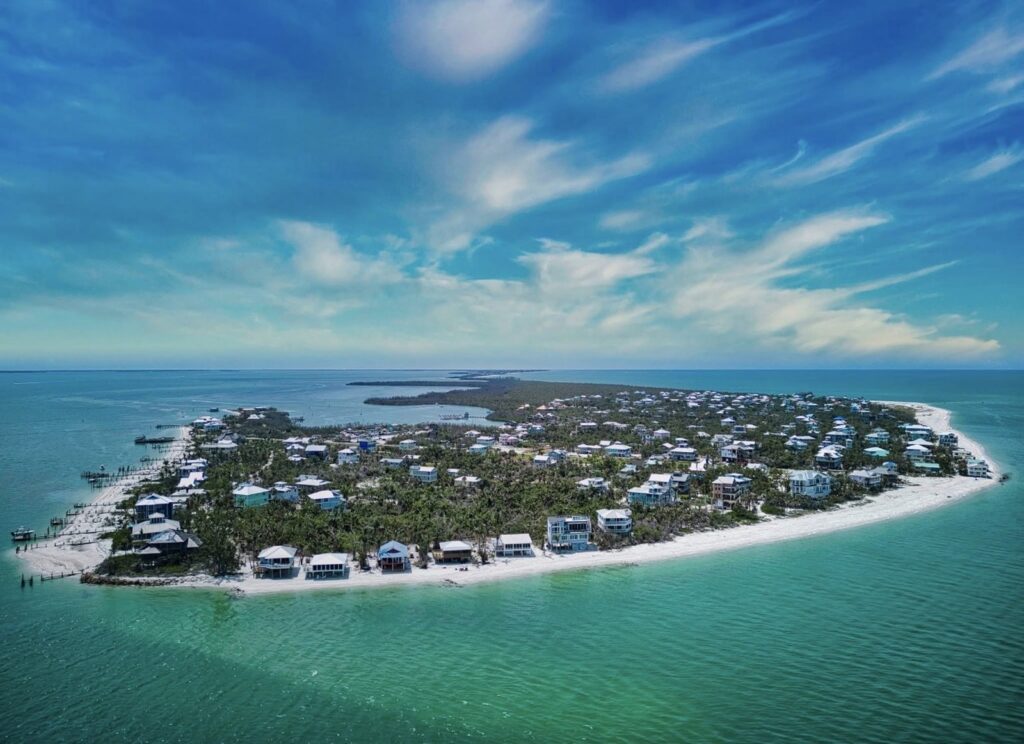
The island is about 700 acres and 4.5 miles long. A hurricane in 1921 cut the channel that is now Redfish Pass and split it from Captiva, and today there is no bridge and no cars. About 500 acres in the middle are state-owned and protected as part of Cayo Costa State Park, so a large part of the island stays natural.
Wildlife at a Glance
| Animal | Where to look | Please |
|---|---|---|
| Loggerhead sea turtles | Gulf beaches, nesting May to October | Keep the beach dark and give them space |
| Gopher tortoises | Dunes and higher, sandy ground | Watch from a distance and never move one |
| Willets and oystercatchers | The shoreline and tide line | Walk around resting birds |
| Bald eagles | Along the trail in the state park, occasionally | Bring binoculars and be patient |
| Dolphins | Dolphin Beach, at the end of the airstrip | Stay off the runway and watch from a distance |
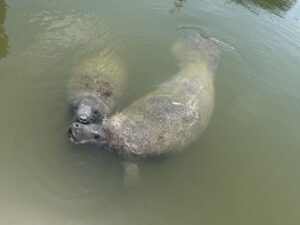
| Manatees | South Airport Drive, by the canal | Watch from a distance and never feed them |
Loggerhead Sea Turtles
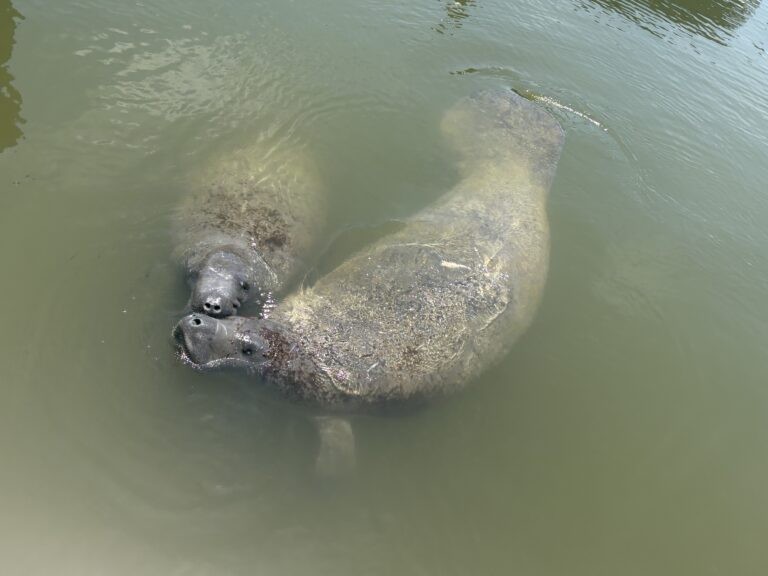
Loggerhead sea turtles come ashore to nest on the island’s Gulf beaches. In 2021, 166 turtles nested on North Captiva, and the North Captiva Sea Turtle Foundation walks the beaches daily to mark nests and record data for the Florida Fish and Wildlife Conservation Commission.
Nesting season in Lee County runs from May 1 through October 31. If you are visiting in those months, these habits make a real difference:
- Keep the beach dark at night. Between 9 p.m. and 7 a.m., turn off or shield any light that can be seen from the beach, close curtains and blinds, and skip flashlights and phone lights on the sand. Hatchlings use light to find the water, and the wrong light can lead them the wrong way.
- Leave nothing on the sand. Take chairs, umbrellas and toys home each evening.
- Fill in holes. Big holes can trap hatchlings and nesting turtles.
- Give them space. If you see a turtle on the beach, stay back, stay quiet and do not use flash photography.
- Do not touch nests or nest screens. The screens keep predators out and hatchlings can still get through them.
If you find a nest
If you find a nest, a nesting turtle or hatchlings, call the FWC Wildlife Alert Hotline at 888-404-FWCC (3922). Sea turtles are protected by state and federal law.
Gopher Tortoises
Gopher tortoises are a threatened species in Florida and a keystone species too. Their deep burrows shelter hundreds of other animals, and some species cannot live anywhere except in a gopher tortoise burrow. You will usually spot a burrow first: a half-moon opening in the sand with a mound out front, often on higher ground and dune tops.
- Admire them from a distance and do not block or fill a burrow.
- Never carry a tortoise to the water. Gopher tortoises are land animals, and people sometimes mistake them for baby sea turtles and put them in the Gulf.
- Not sure what you found? A gopher tortoise hatchling has a round, raised, yellow and orange shell and short, stubby feet. A sea turtle hatchling is dark with long flippers.

Birds
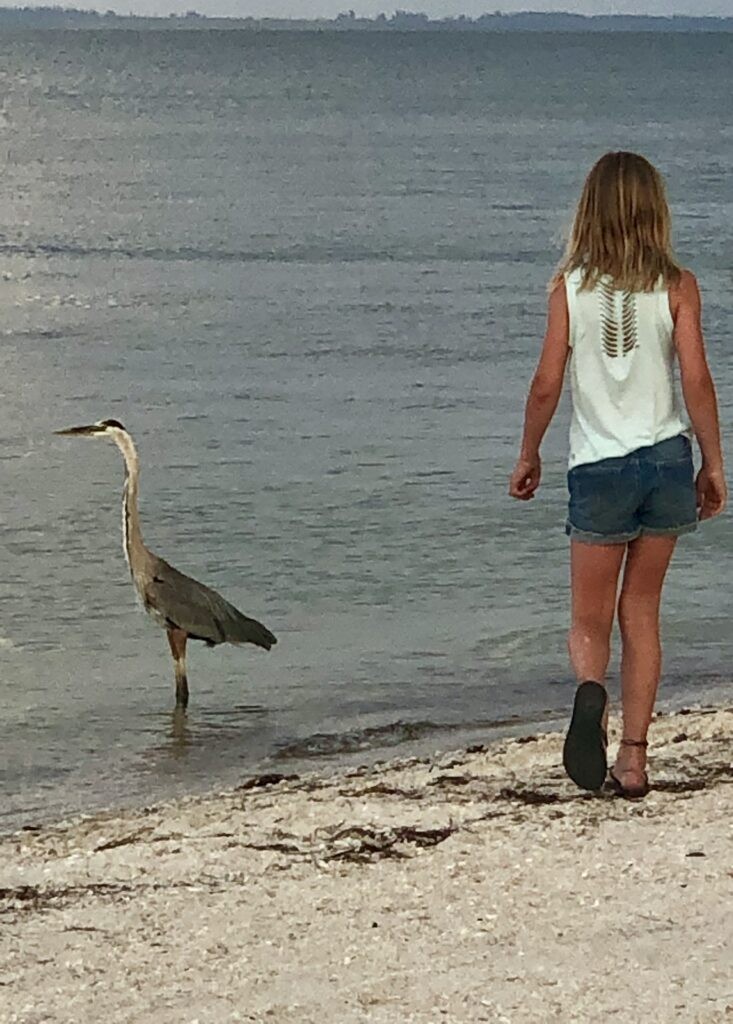
The beaches and the edges of the island are good for casual bird watching. Willets and oystercatchers work the shoreline, and bald eagles are sometimes seen along the trail in the state park. Bring a small pair of binoculars and walk the tide line early, when the beach is at its quietest.
If you see birds sitting or nesting on the sand, walk around them and keep dogs and kids back. Shorebirds nest right on the beach in the open, and a single disturbance can send them off a nest.
Dolphins and Manatees
Dolphins: You can see dolphins at Dolphin Beach, at the end of the airstrip. Stay off the runway and follow all posted signs. A boat ride gives you more chances to spot them. Manatees: You can see manatees along South Airport Drive, by the canal.
Watch from a distance, never feed or chase them, and keep a wide gap if you are on a boat. Feeding or harassing dolphins and manatees harms them and is against federal law.
How to Be a Good Wildlife Guest
- Watch, do not touch. Distance protects them, and you.
- Pack out your trash and throw away fishing line, since it traps birds and turtles.
- Stay out of the dunes and off the sea oats. They hold the island together.
- Go slow on the roads. Golf carts share the paths with tortoises and birds.
- Bring your pets, keep them close. Many North Captiva rentals are pet friendly, and you can filter for them here. Keep dogs leashed and away from nests, burrows and resting birds.
A Simple Wildlife-Watching Plan
- Morning: A slow walk along the tide line at first light for shorebirds and fresh turtle tracks in nesting season.
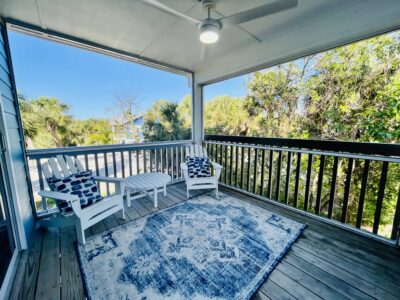
- Midday: A quiet break back at the house. Enjoy the shade while the sun is high.
- Late afternoon: A walk to Dolphin Beach for dolphins and sunset colors.
- Evening: Keep outdoor lights low and enjoy the stars from the deck.
Wildlife FAQ
When is sea turtle nesting season on North Captiva?
In Lee County, nesting season runs from May 1 through October 31.
Can I see sea turtles on North Captiva?
Yes, loggerhead sea turtles nest on the Gulf beaches in season. Most nesting happens at night, so keep your distance, stay quiet and use no lights.
What should I do if I find a nest or hatchlings?
Stay back, keep the beach dark and call the FWC Wildlife Alert Hotline at 888-404-FWCC (3922).
Where can I see dolphins and manatees on North Captiva?
You can see dolphins at Dolphin Beach, at the end of the airstrip, and manatees along South Airport Drive, by the canal.
Is it okay to touch a gopher tortoise?
No. They are a threatened species in Florida. Watch them from a distance and never move one to the water.
Can I bring my dog to see the wildlife?
Many North Captiva rentals are pet friendly. Keep dogs on a leash and away from nests, burrows and resting birds.
How do I get to North Captiva?
By ferry, boat or small plane. Our Island Info page has the details.
Come Slow Down With the Island
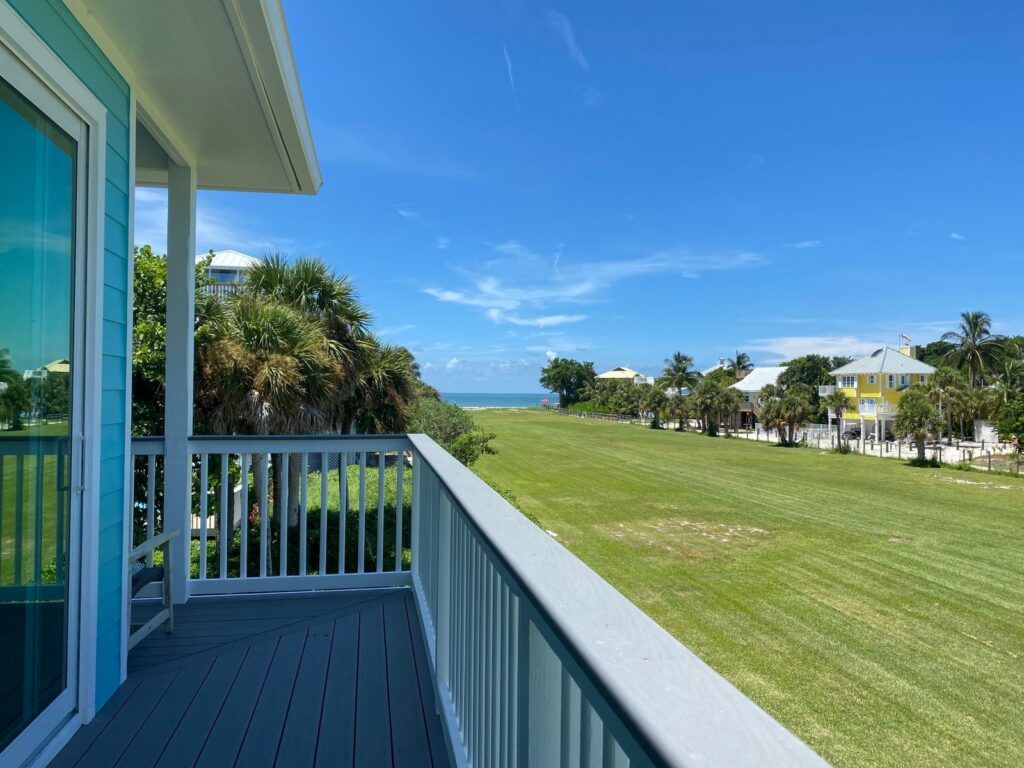
Wildlife is a big part of why people fall for North Captiva. There are no crowds, no traffic and a lot of room for animals to just be animals. Stay a few nights, wake up early and take your time.
Ready to plan your trip?
Browse North Captiva rental homes and book direct. Pet friendly homes are available.Browse rentals
Sources
- Times of the Islands: North Captiva is still unspoiled
- Lee County: Sea turtle lighting
- Captiva Erosion Prevention District: Sea turtle nesting
- SCCF: Baby gopher tortoises
wildlifesea turtlesgopher tortoisenorth captivanorth captiva islandisland guidevacation rentals