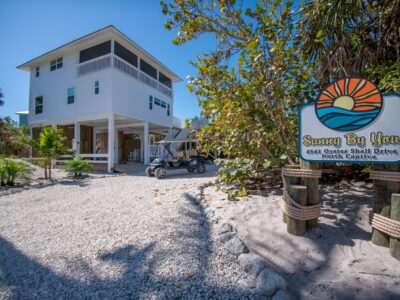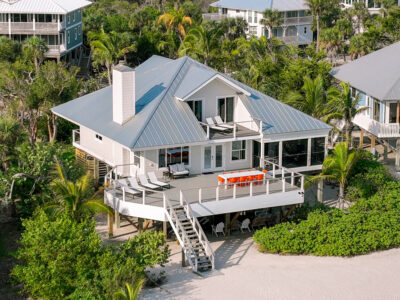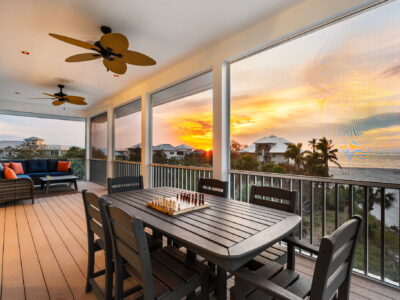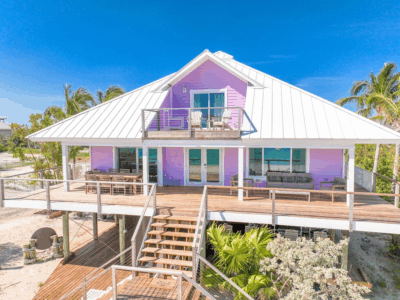
North Captiva Island Pest Control Service | Barrier Island Specialists
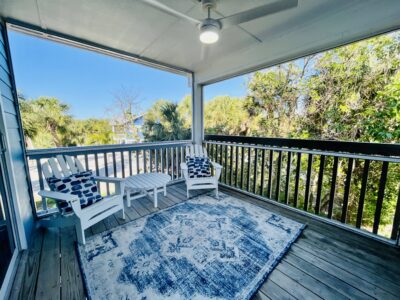
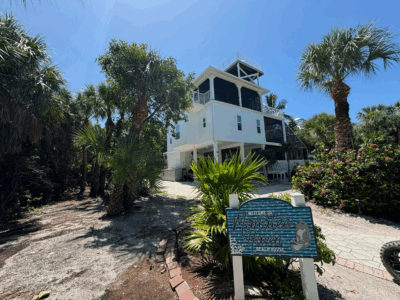
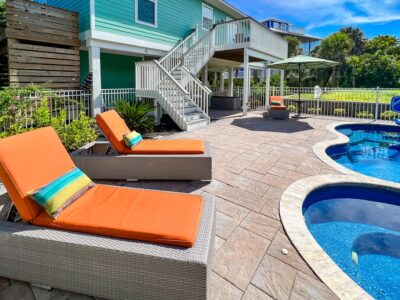
Effective pest control on North Captiva Island demands a deep understanding of its unique environment. From the salt air that corrodes standard equipment to record pest populations in the wake of recent hurricanes — and the reality that a single missed visit can directly impact rental revenue on a car-free island — the stakes here are higher than most.
Get in Touch
About Maximum Pest Control
Over 30 Years of Southwest Florida Expertise
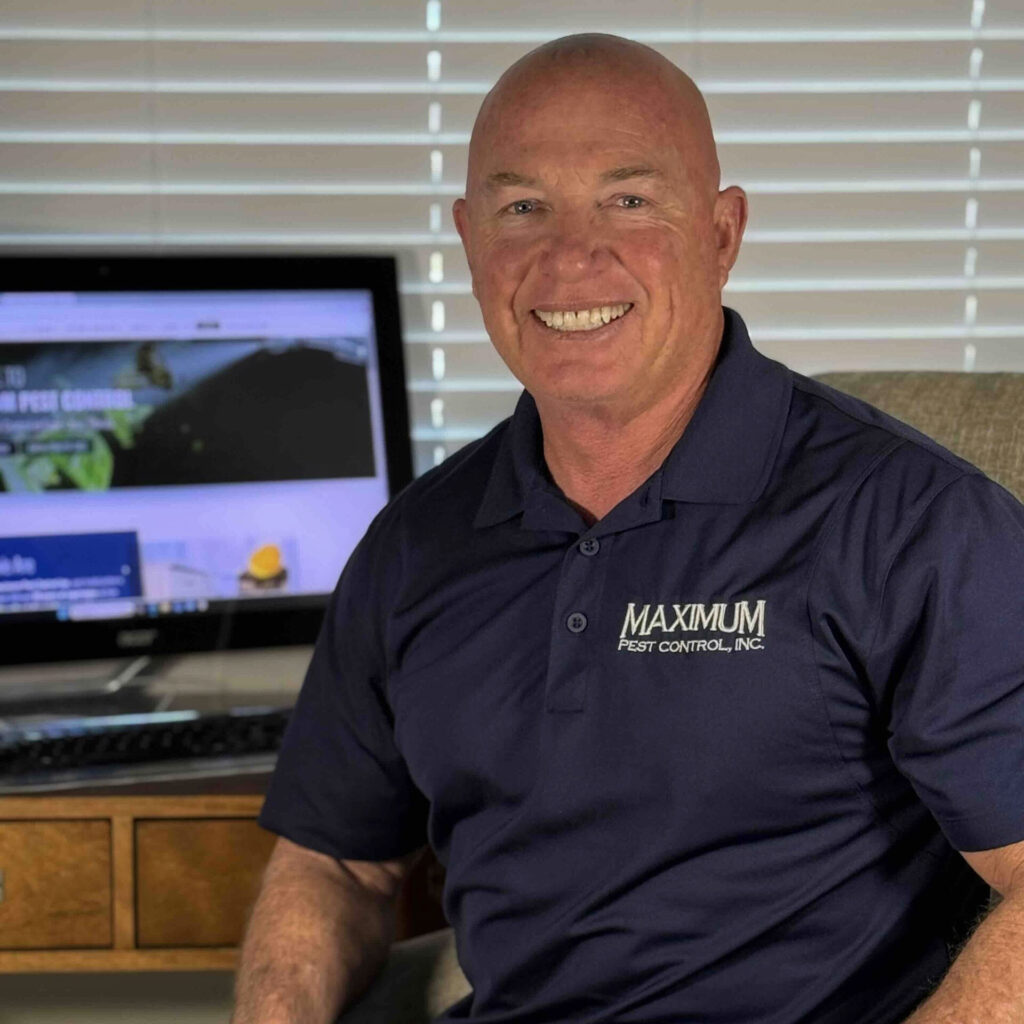
Maximum Pest Control has been family-owned and operated since 1997, serving Cape Coral, Lee County, and the barrier islands. Owner David Markovits built the company on the principle that local knowledge matters — especially when dealing with island properties and subtropical pest pressures that national chains don’t understand.
Based in Cape Coral, just minutes from the Pine Island ferry terminals, Maximum Pest Control isn’t a satellite office. They’re neighbors, protecting the same ecosystem they live in.
Licensed, Insured, and Trusted Key-Holders
Most of their North Captiva clients are absentee owners. Maximum Pest Control works directly with property managers and is entrusted to enter homes independently, complete treatments, and secure properties. Their technicians are background-checked, state-licensed, and trained in high-value rental protocols — earning key-holder status through reliability and results.
Marine-Safe, Eco-Conscious Treatments
Effective pest elimination shouldn’t harm the environment. All treatments comply with Lee County Environmental Regulations, using EPA-approved products safe for families and pets when applied correctly. Their commitment includes gopher tortoise protection, aquatic safety near canals, and wildlife-friendly exclusion techniques that seal homes without harming native species.
Service That Extends Throughout Lee County
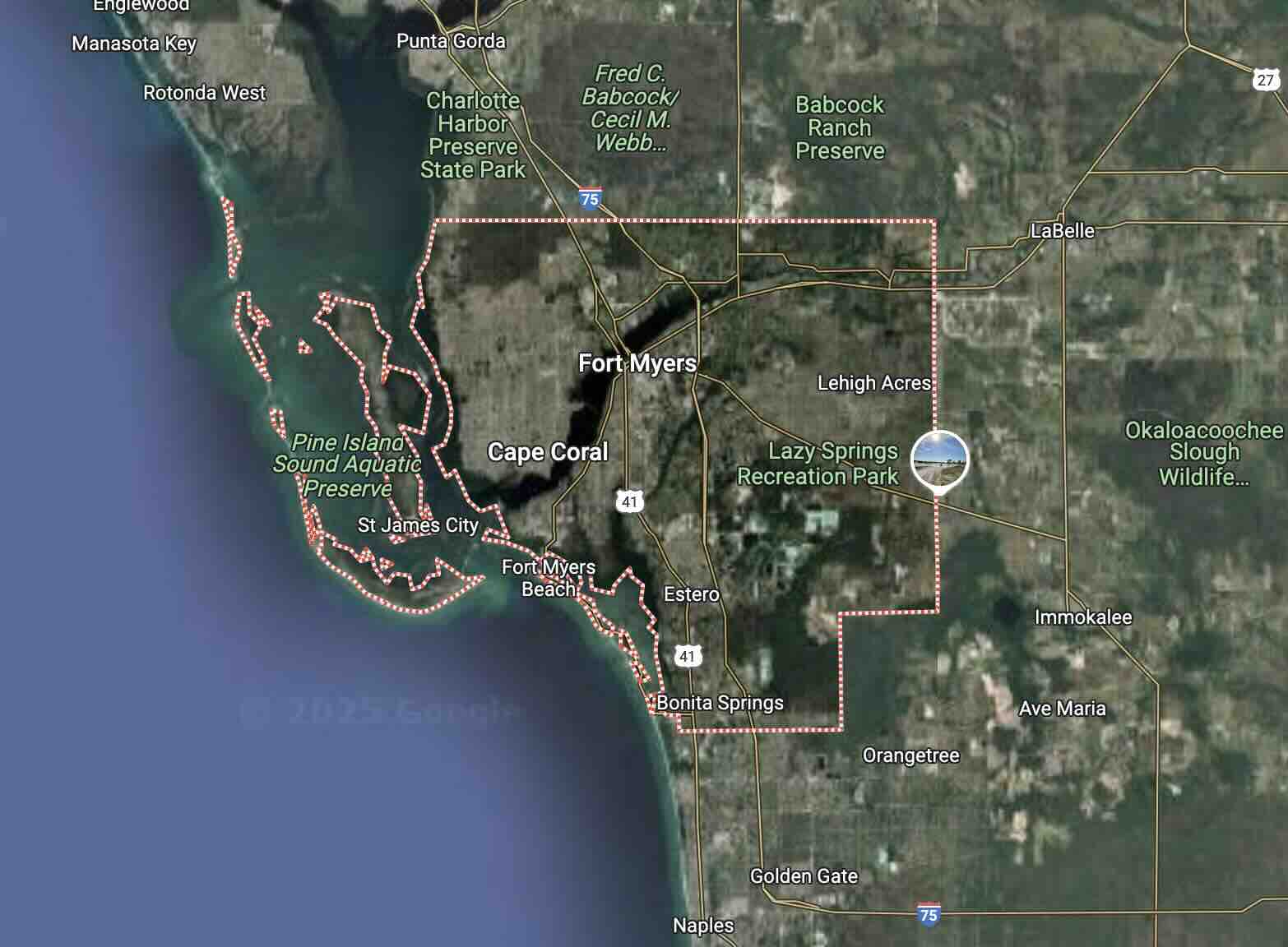
While they specialize in North Captiva, their expertise extends throughout Southwest Florida — serving Cape Coral’s Diplomat District, Yacht Club, and Mariner neighborhoods, as well as Matlacha and Pine Island. Wherever you are in Lee County, they bring the same commitment to quality.
Common Pests on North Captiva Island
North Captiva’s barrier island ecosystem creates pest pressures that mainland properties never face. The unique combination of salt air, sandy soil, brackish wetlands, and dense vegetation near Cayo Costa State Park makes your property attractive to specific pests that thrive in coastal environments.
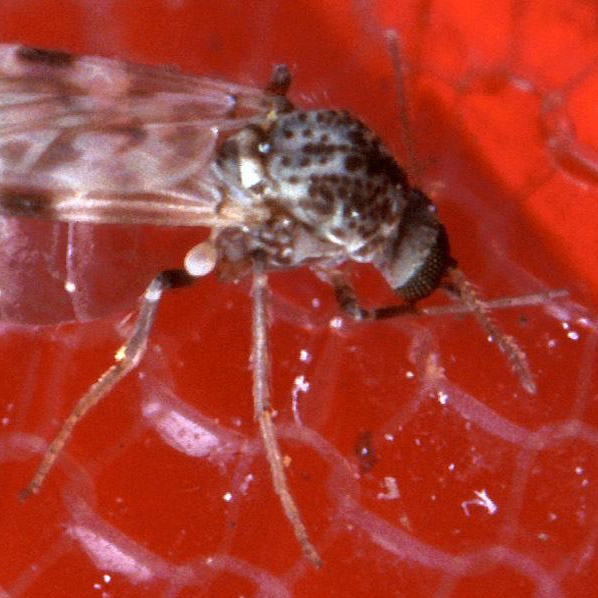
No-See-Ums (Biting Midges)
The invisible enemy that ruins vacations. No-see-ums (Ceratopogonidae) are microscopic sandflies that breed in damp, brackish sand and deliver painful bites that can torment guests for days. According to the Sanibel Captiva Conservation Foundation, Hurricane Ian’s saltwater intrusion converted freshwater wetlands into ideal breeding grounds, creating record population levels that may persist for years.
Standard screens won’t stop them. Unless your lanai utilizes “20×20 mesh” screening, no-see-ums pass right through, making outdoor living unbearable during morning and evening hours. Our treatments target the larvae breeding in damp soil around your property, stopping the lifecycle before your guests are bitten.
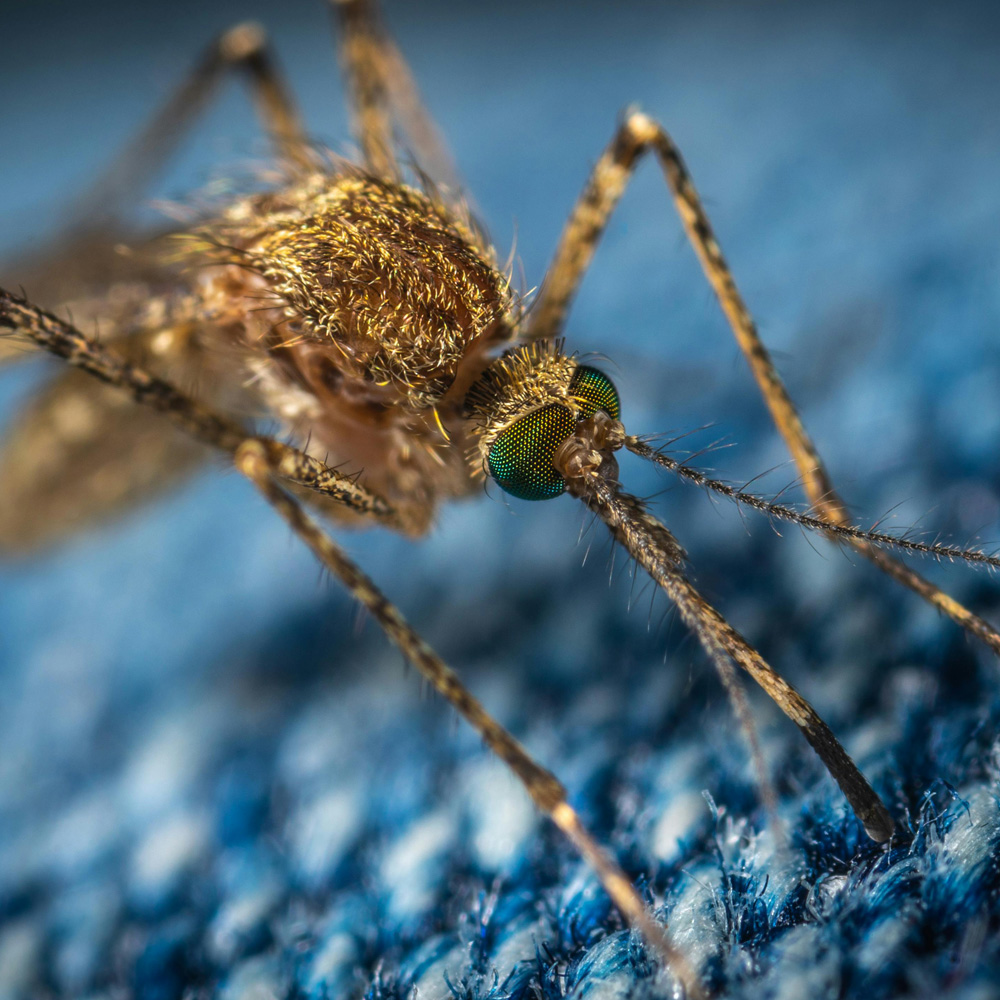
Mosquitoes
Florida is home to disease-carrying mosquito species that bite at different times and breed in different locations. The Asian tiger mosquito is aggressive in the early morning and late afternoon, while the southern house mosquito attacks at dusk and night. All lay eggs in standing water—from decorative pots to untreated pools.
North Captiva’s heavy summer rains and tidal flooding create temporary breeding sites that produce thousands of mosquitoes within days. Properties near Safety Harbor Club docks and the marina district face specific, constant pressure from salt marsh mosquitoes that breed in tidal zones.
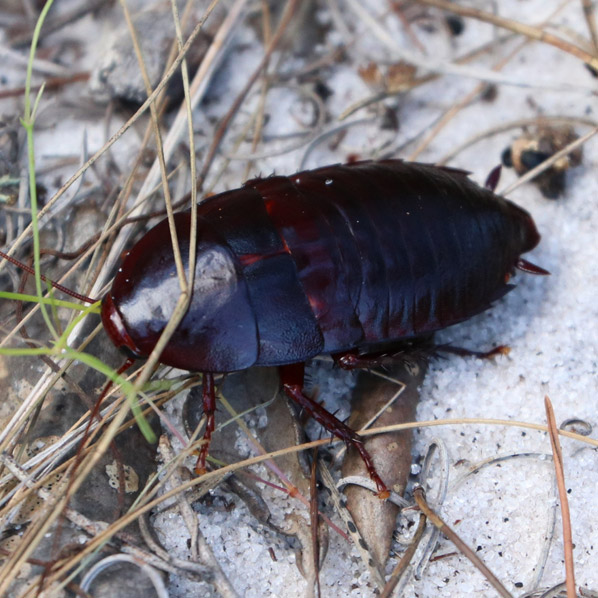
Palmetto Bugs (Florida Woods Cockroaches)
They don’t just infest—they spray. The Florida wood cockroach (Eurycotis floridana) can eject a foul-smelling defensive spray up to three feet when threatened, earning it the nickname “Florida skunk roach.” These large roaches prefer damp outdoor locations like leaf litter and lumber piles, but they wander indoors regularly—especially into bathrooms and kitchens.
The dense vegetation around properties near Barnacle Phil’s and along the trails off Rum Road provides perfect harborage. Our treatments eliminate outdoor breeding sites before these roaches reach your doorstep.
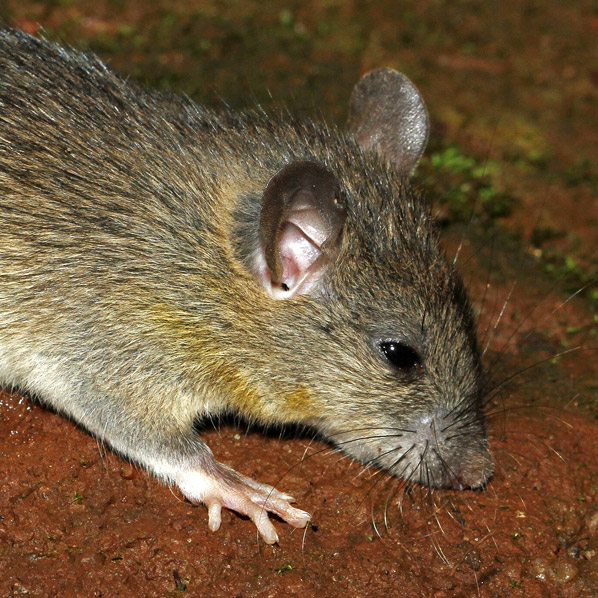
Roof Rats
Your stilts are their highway. Roof rats are excellent climbers that use pilings, utility lines, and tree branches to access elevated homes. Significant rodent activity has been documented on North Captiva, and property managers know the reality: rats will chew through soffit vents, exploit gaps in rooflines, and nest in attics.
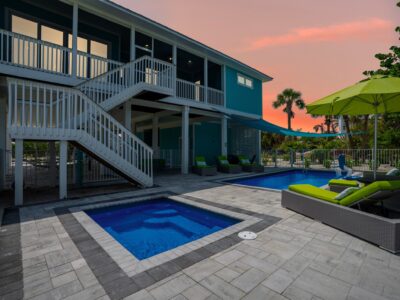
The “under-home” ecosystem attracts them first. Ninety percent of North Captiva homes are on pilings, creating a shaded, humid zone beneath the living space where rats thrive before climbing up. Properties near the dense vegetation along the Cayo Costa State Park boundary face the highest pressure.
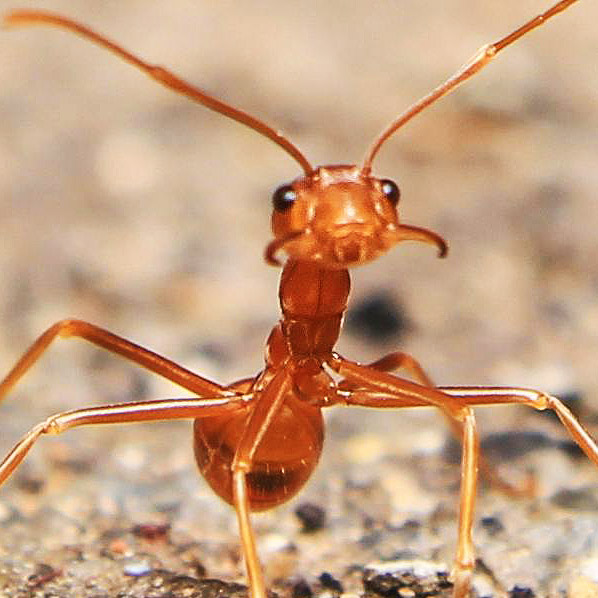
Fire Ants
A liability waiting to happen. Red imported fire ants deliver painful stings that can trigger allergic reactions; a guest stung while walking to the beach can result in a devastating review. North Captiva’s sandy soil provides ideal nesting conditions, especially near walkways and outdoor dining areas.
Colonies rebound quickly after rain. Fire ants are resilient and will rebuild mounds within days of flooding if the queen survives. Our granular bait systems target the entire colony, not just surface workers.
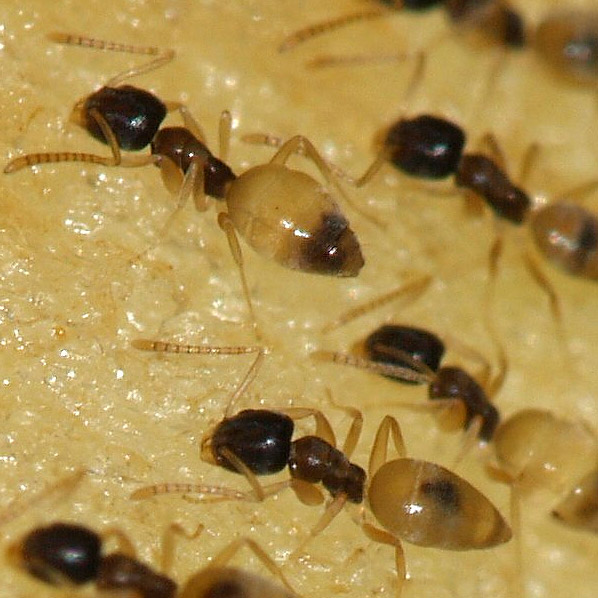
Ghost Ants
Nearly invisible invaders. Ghost ants are tiny, translucent pests that become a major indoor problem after summer rains flood their outdoor colonies. They invade through the smallest cracks around windows and utility penetrations, forming trails across kitchen counters and bathroom sinks within hours.
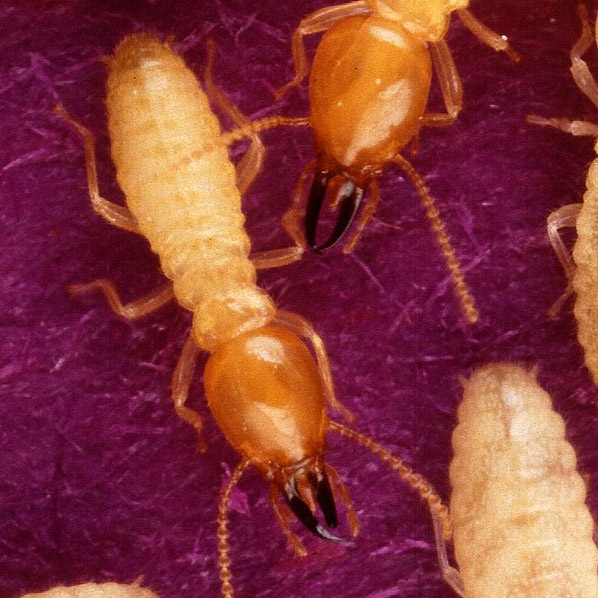
Termites
Silent destroyers in salt air. Drywood termites thrive in untreated wood exposed to North Captiva’s humid climate. Decorative pilings, deck railings, exterior trim, and even interior framing are vulnerable. Warning signs include discarded wings near doors, small piles of sawdust-like “frass,” and hollow-sounding timber. Most infestations go undetected until structural damage has occurred, making annual inspections critical.
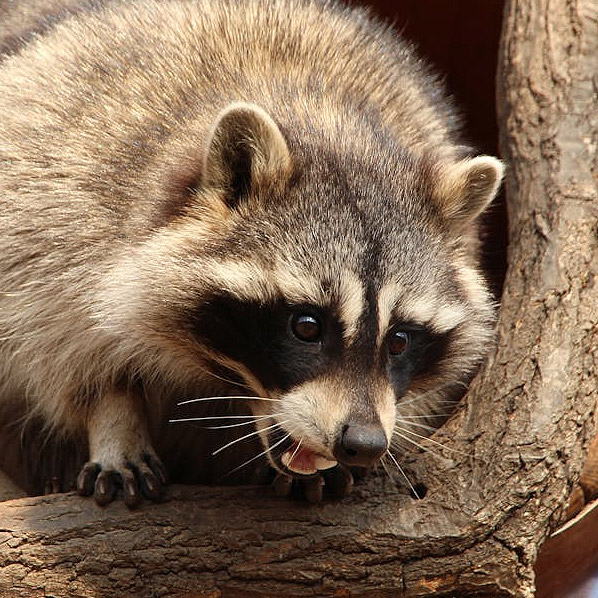
Raccoons
Not just trash bandits—structural threats. Raccoons on North Captiva are numerous and resourceful. Beyond raiding trash, these animals tear through outdoor storage, rip lanai screens, and exploit soffit gaps to access attics. They are aggressive, intelligent, and will return repeatedly to food sources.
Seasonal Pest Considerations on North Captiva
Barrier island pest pressure changes with the seasons, tides, and weather patterns. Understanding these cycles is essential for protecting your property year-round.
Summer: The Rainy Season Invasion (June–September)
Afternoon thunderstorms trigger mass pest migrations. When heavy rains flood outdoor ant colonies, ghost ants and fire ants flee up your foundation. Standard perimeter treatments break down faster in the rainy season, which is why we recommend quarterly service that anticipates wash-outs rather than reacting to infestations.
No-see-um populations peak in July and August due to standing water and heat. This is when guest complaints spike—and when proactive barrier protection matters most.
Fall: Wildlife Exclusion Season (October–November)
Raccoons and roof rats seek shelter as temperatures drop. While “cold” in Florida is relative, it is enough to drive wildlife toward the warmth inside your home. Rats use the fall to establish nesting sites in attics before winter. This is the critical window for exclusion work: sealing soffit gaps, repairing screens, and fortifying entry points.
Winter: Snowbird Season & Occupancy Pressure (December–March)
Your property is occupied—and pests know it. Food, warmth, and activity attract indoor pests during peak rental season. Palmetto bugs wander in from the cold, and ghost ants exploit cracks to access kitchens. A pest sighting during a holiday rental can destroy your season’s revenue. Our treatments are scheduled around your booking calendar to be effective without disrupting your guests.
Spring: Termite Swarming & Ant Activity (April–May)
Termite swarmers emerge in spring. If you see winged insects near windows, you are witnessing reproductive termites leaving a colony to form new ones. This requires immediate inspection. Additionally, fire ant colonies that were dormant during cooler months rebound aggressively, producing new mounds near walkways and beach access points.
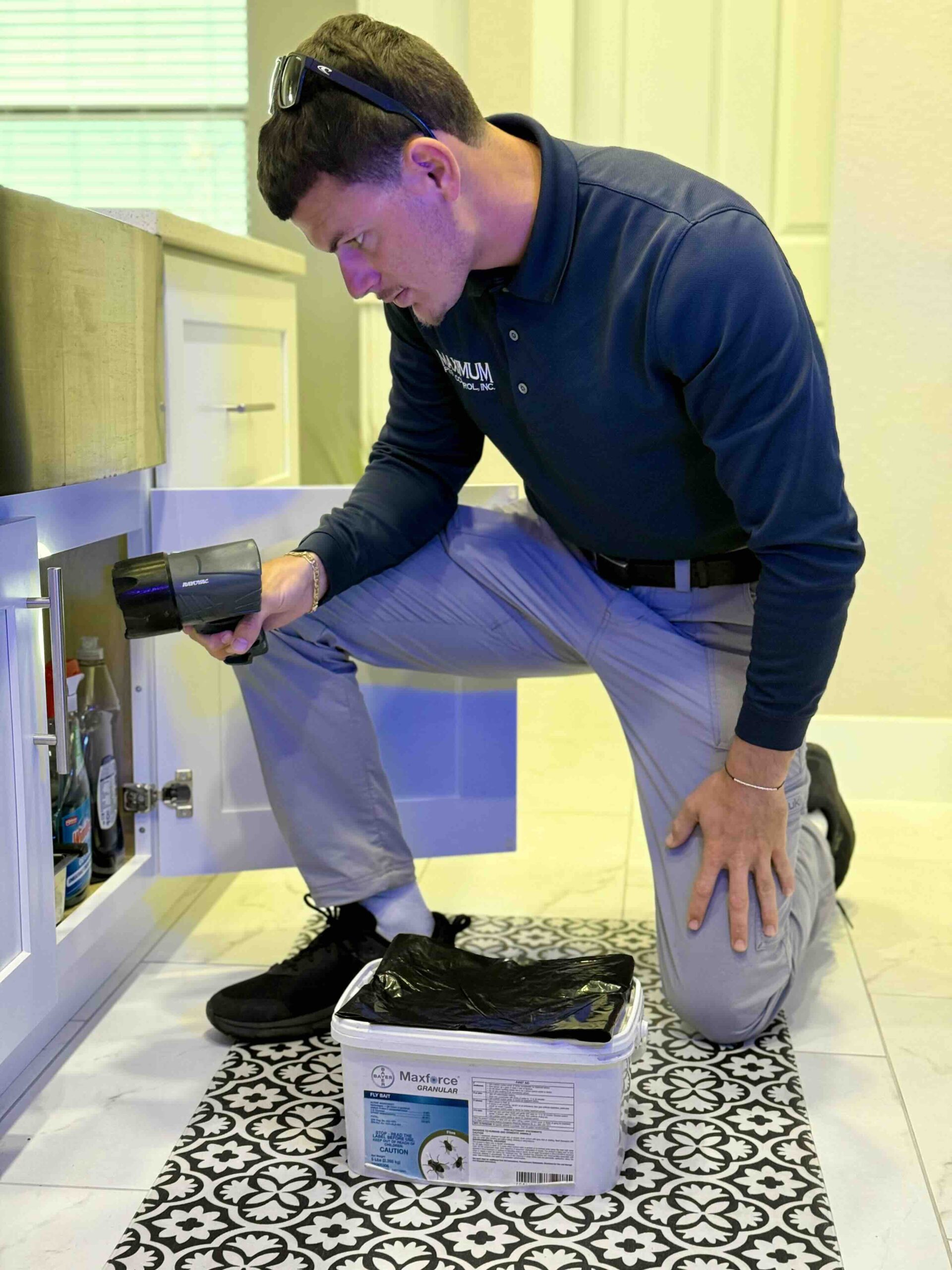
Why Professional Pest Control is Essential for Island Properties
DIY Solutions Fail on Barrier Islands
Hardware store products aren’t formulated for salt air, tidal flooding, or North Captiva’s specific species. That’s why pest control in North Captiva requires specialized knowledge of island ecosystems. Aerosol sprays provide temporary knockdown but don’t address breeding sites. Store-bought baits often fail because they are designed for mainland pests, not the aggressive ants that thrive in sandy, brackish environments. Furthermore, most owners are absentee; by the time you notice a problem, your guests have already left a bad review.
The “Turnover Window” Demands Precision
Your guests check out at 10:00 AM. New guests arrive at 4:00 PM. You have six hours. Cleaning crews, maintenance, and pest control must coordinate flawlessly. A missed appointment isn’t just an inconvenience—it’s lost revenue. We schedule around your rental calendar, not ours. We show up on time, treat efficiently, air out the property, and leave no trace behind.
Barrier Island Logistics Require Local Expertise
Most pest control companies refuse to service North Captiva because of the logistics. Ferry schedules, barge coordination, golf cart navigation, and key-holder access are skills earned through years of island work.
We maintain island-ready equipment. Standard rigs corrode in salt air. Our golf carts are equipped with battery-powered sprayers, marine-grade storage, and hand-carry kits designed for sandy trails and stilt homes. We know the difference between Rum Road and Seawitch Lane, and we navigate without damaging landscaping.
Environmental Compliance Protects Your Investment
North Captiva is surrounded by protected ecosystems. Cayo Costa State Park, Pine Island Sound, and gopher tortoise habitats require specialized protocols. Applying the wrong product can result in fines and environmental damage.
We are trained in conservation-minded management. We inspect for active gopher tortoise burrows, maintain required 25-foot buffer zones, and use pyrethroid-free formulations near mangroves to prevent aquatic toxicity. We also schedule treatments to avoid disruption during sea turtle nesting season (May–October).
Protect Your Island Investment with Service You Can Trust
Don’t risk your rental income because a mainland company missed the ferry. Don’t trust your property to technicians who have never dealt with post-hurricane no-see-ums or salt marsh mosquitoes.
Maximum Pest Control brings three decades of local expertise to North Captiva Island. We understand that every missed appointment is lost revenue and every pest sighting is a potential bad review. We master the ferry schedule so you don’t miss a rental window. We navigate your property with golf carts so your landscaping stays pristine.
Whether you own a stilt home near Safety Harbor Club, a waterfront retreat along The Narrows, or a secluded property near the Salty Approach Airstrip, we provide year-round protection that keeps your guests happy and your bookings secure.
Contact Maximum Pest Control today to schedule your North Captiva Island Pest Control Inspection
Maximum Pest Control
836 NE 7th Terrace, Suite #5
Cape Coral, FL 33909
(239) 772-7363
https://maximumpests.com/
Serving North Captiva Island via boat access
Licensed & Insured | Family-Owned Since 1997 | Marine-Safe Treatments
Conservation Through Community. Every treatment protects your home and respects the barrier island ecosystem.