Wildlife on North Captiva Island
North Captiva Island is a pristine barrier island off Florida’s Gulf Coast, celebrated for its untouched landscapes and remarkable wildlife. As a protected sanctuary of diverse ecosystems, the island provides critical habitat for numerous threatened and endangered species. A visit here is more than a beach getaway—it’s an immersive experience with nature at its most authentic and inspiring.
A Living Sanctuary
From warm coastal waters to sandy uplands and mangrove forests, North Captiva supports an extraordinary range of wildlife. Visitors frequently encounter playful bottlenose dolphins, gentle manatees, nesting sea turtles, gopher tortoises, and more than 150 bird species. These interconnected ecosystems thrive because of careful stewardship and respectful visitation.
Marine Life & Sea Creatures
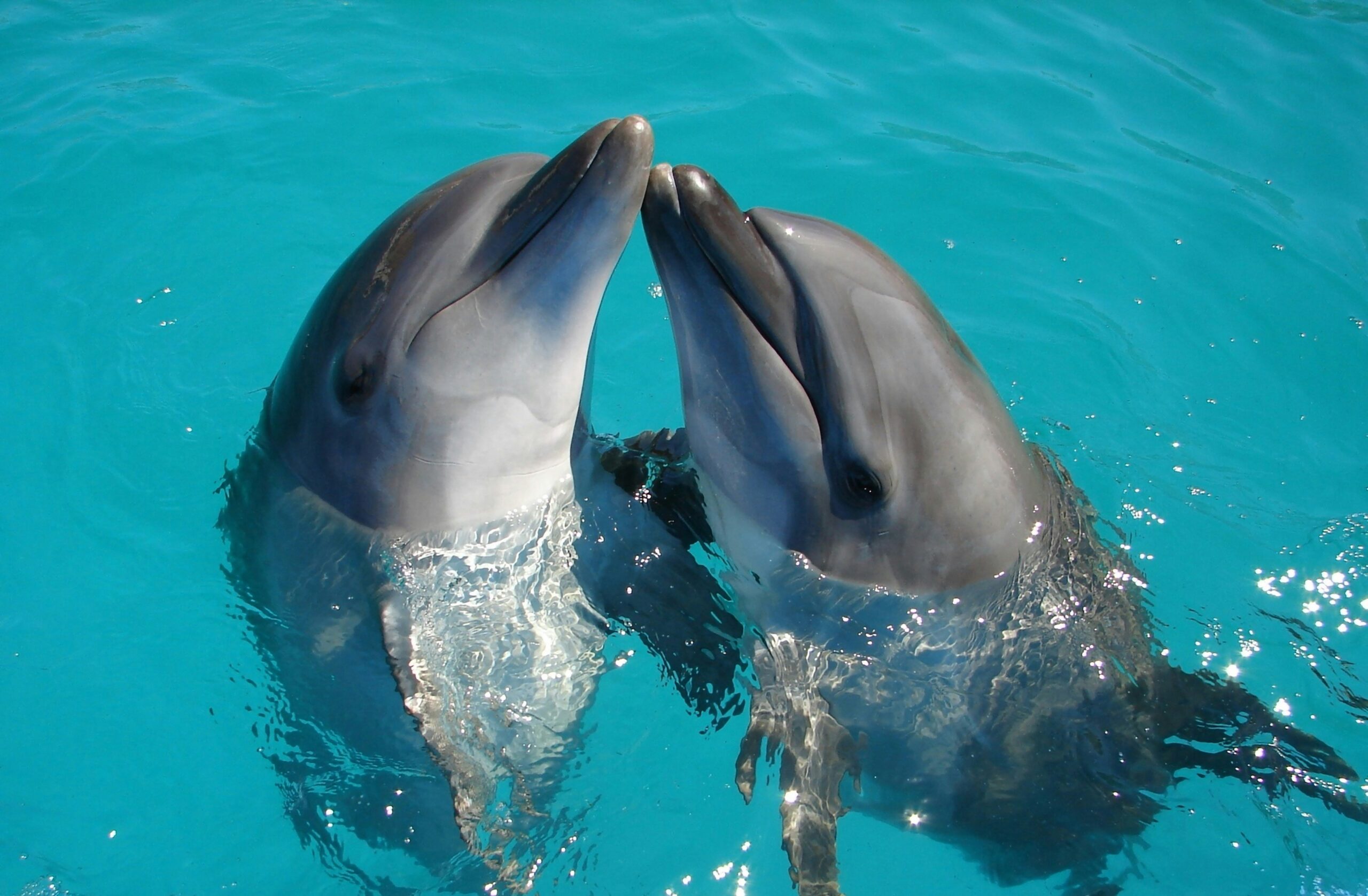
Dolphins
Bottlenose dolphins are seen year-round in the waters surrounding North Captiva, often swimming close to shore or riding boat wakes. They are most active during early morning and late afternoon when they feed along tidal passes and seagrass flats.
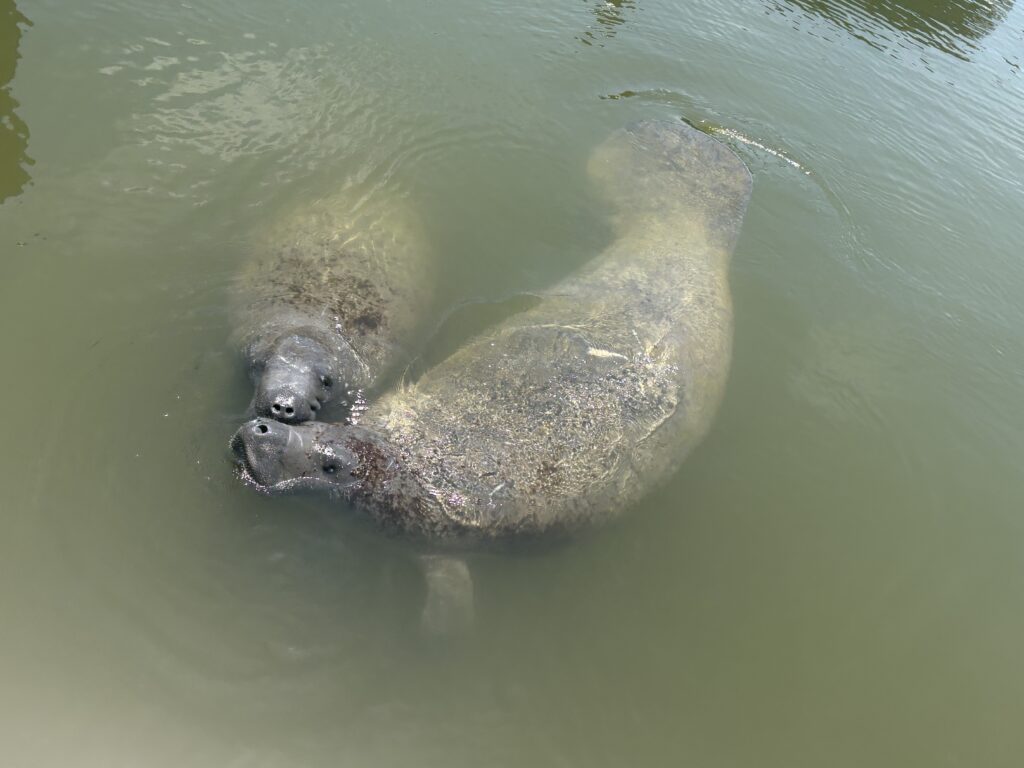
Manatees – Gentle Giants
Endangered West Indian manatees visit North Captiva’s canals and marinas primarily from December through March, seeking warmer waters when Gulf temperatures drop below 68°F. These slow-moving, herbivorous mammals are a cherished symbol of Southwest Florida.
Important Manatee Guidelines
- Never touch, feed, or give water to manatees
- Maintain safe distances (federal and state law)
- Operate boats and golf carts cautiously
Human interaction can disrupt natural behaviors and expose manatees to illness or injury. Protecting their habitat ensures their survival for generations to come.
PLEASE NEVER GIVE FRESH OR BOTTLED WATER TO MANATEES.
Manatees are protected by state and federal law.
Sea Turtles & Nesting Beaches
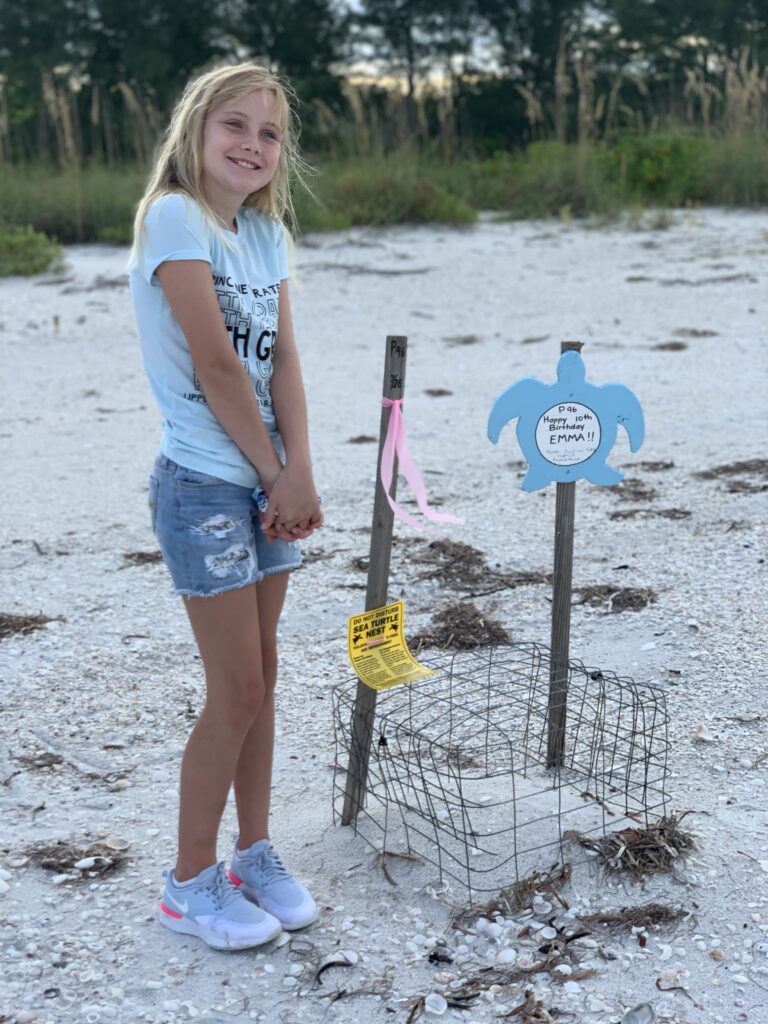
North Captiva’s beaches are vital nesting grounds for Loggerhead and Green Sea Turtles, with nesting season running from April through October. Volunteers patrol the shoreline to mark nests and protect hatchlings from predators and human disturbance.
To support sea turtle conservation:
- Observe all marked nesting areas
- Avoid flashlights or bright lights on beaches at night
- Remove beach furniture nightly
- Fill in holes that could trap hatchlings
Dark-sky lighting ordinances and vehicle restrictions help prevent turtles from becoming disoriented.
Land Animals & Reptiles
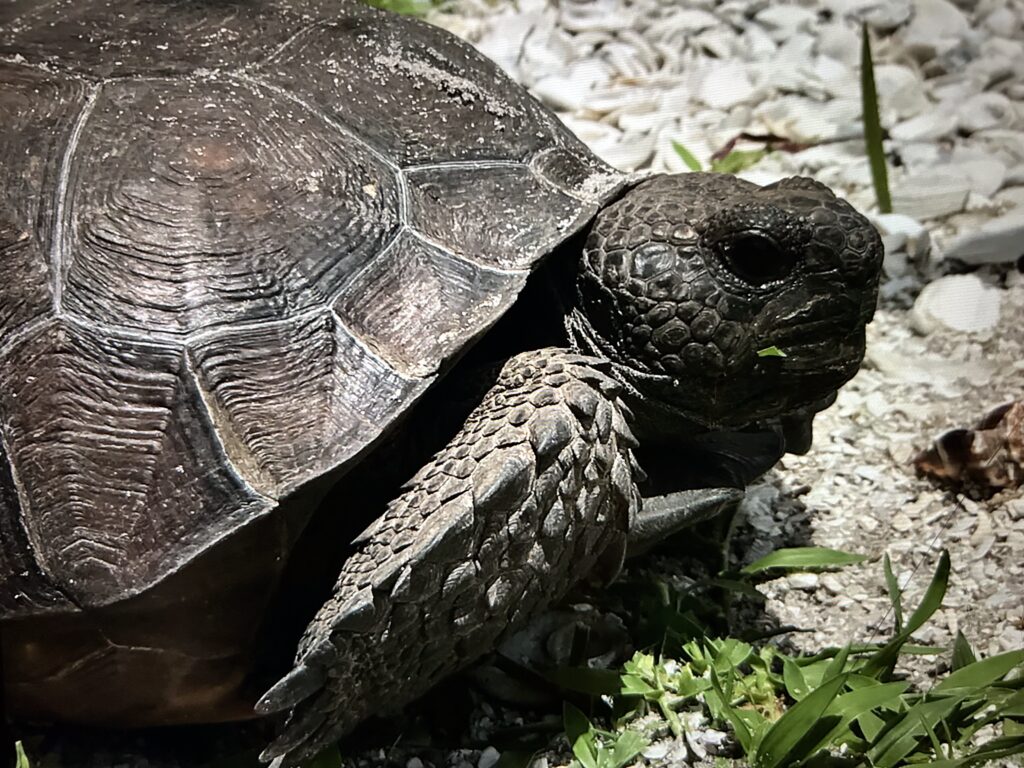
Gopher Tortoises
A keystone species, the Florida Gopher Tortoise plays a crucial role in maintaining healthy ecosystems. Their burrows provide shelter for more than 350 other species. These gentle reptiles can live 50–70 years and are often seen crossing sandy paths.
It is unlawful to touch or disturb gopher tortoises.
Please give them the right of way and observe from a distance.
Eastern Indigo Snake
North Captiva is home to the Eastern Indigo Snake, North America’s longest non-venomous snake. This threatened species is harmless and helps control rodent populations. There are no venomous snakes on the island.
A Birder’s Paradise
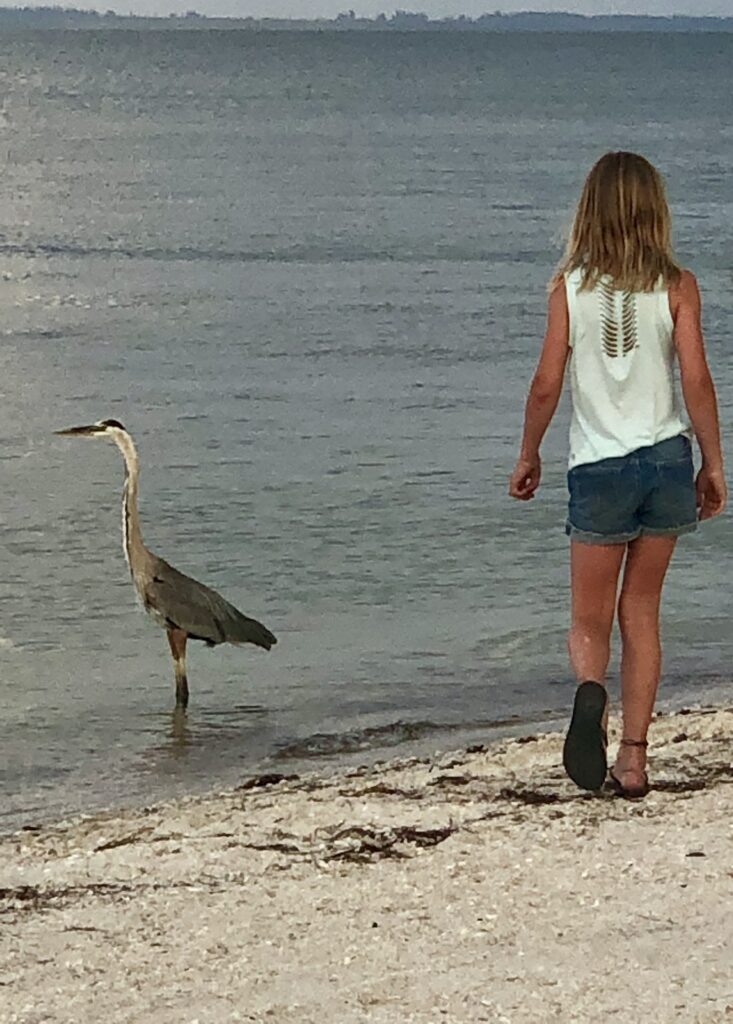
Birdwatchers will find North Captiva exceptional year-round. The island lies along the Atlantic Flyway, serving as a critical stopover for migratory birds.
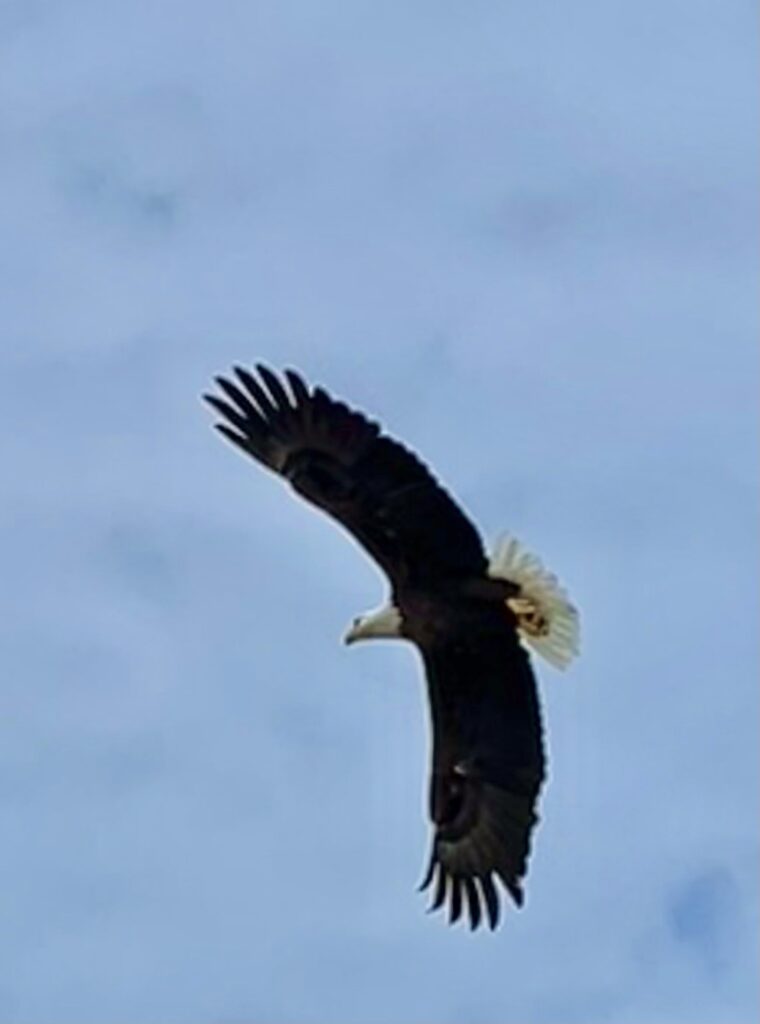
Notable species include:
- Bald eagles and eaglets
- Ospreys
- Roseate spoonbills
- Least terns (protected nesting colonies)
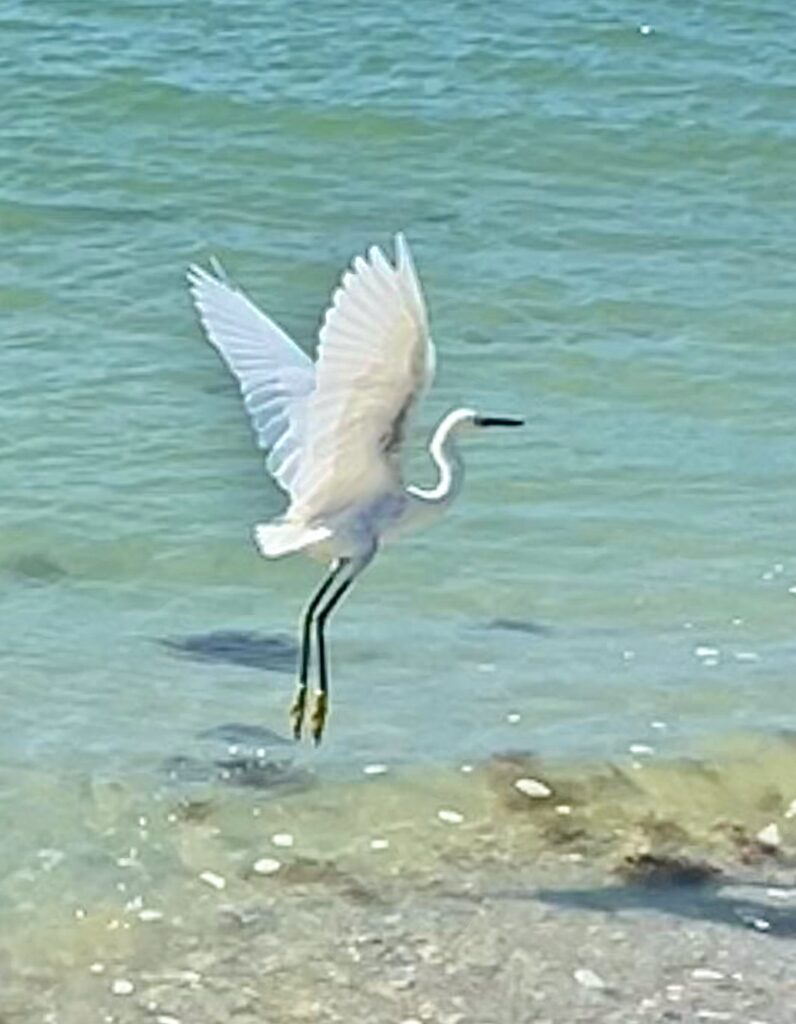
- Pelicans, herons, and egrets
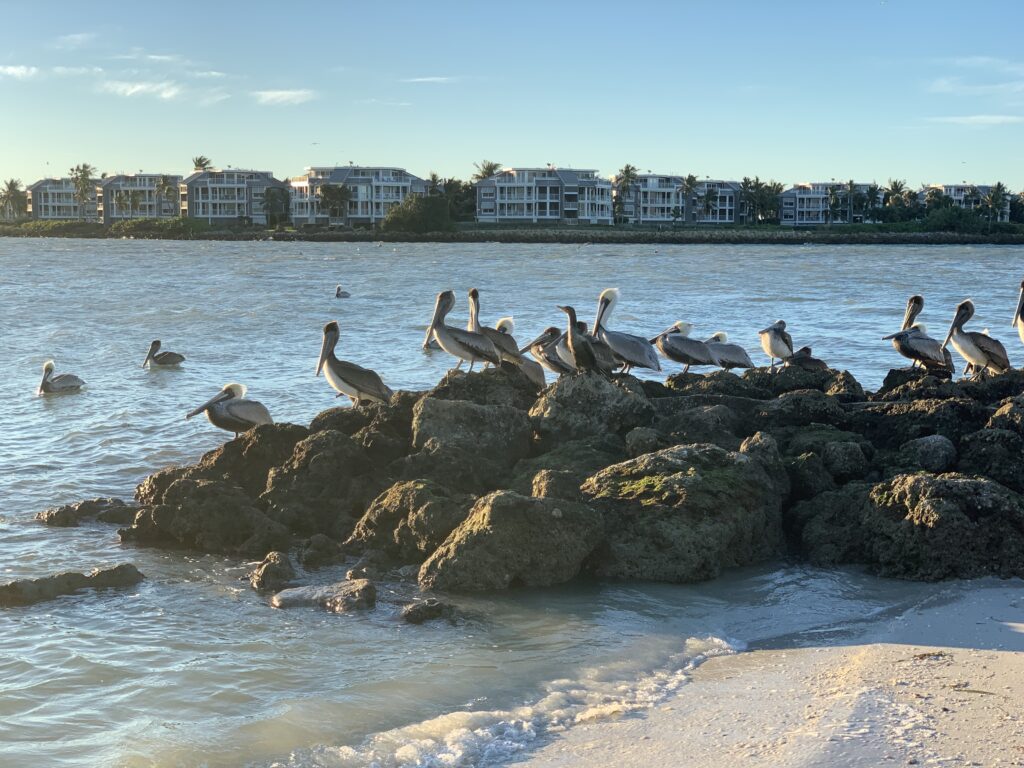
Local volunteers assist with nest protection and transport injured birds to wildlife sanctuaries.
Fishing, Shelling & Shoreline Ethics
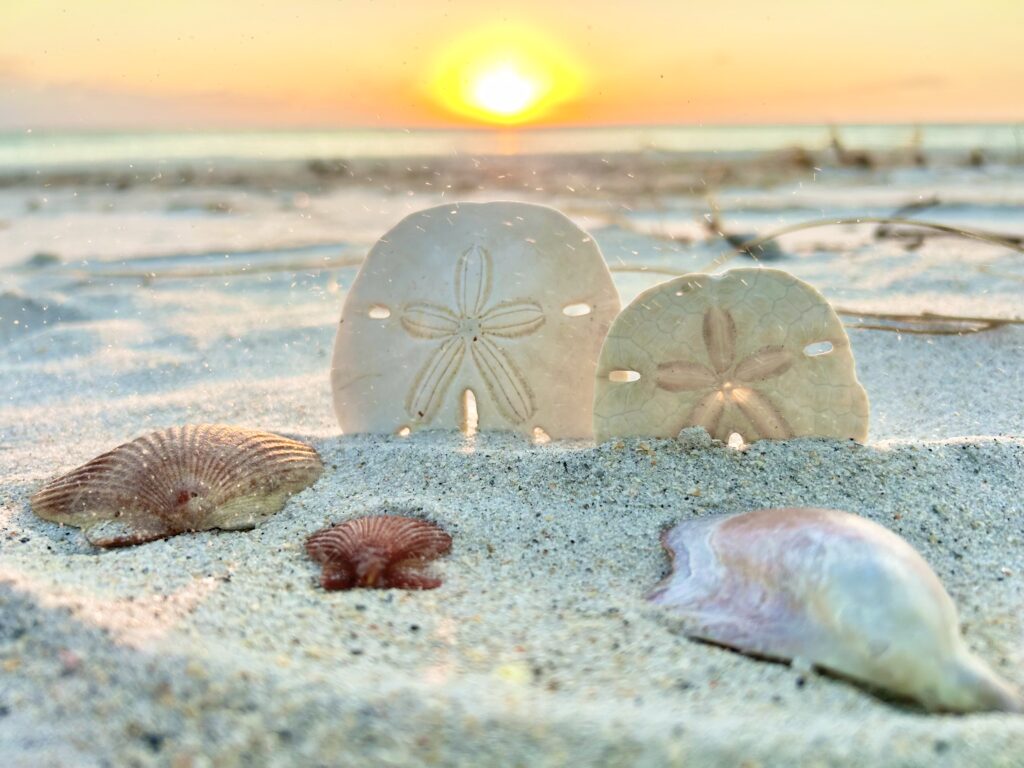
Fishing and shelling are beloved island activities when done responsibly.
Fishing
- Florida fishing licenses required
- Follow seasonal size and bag limits
- Practice catch-and-release when appropriate
Shelling
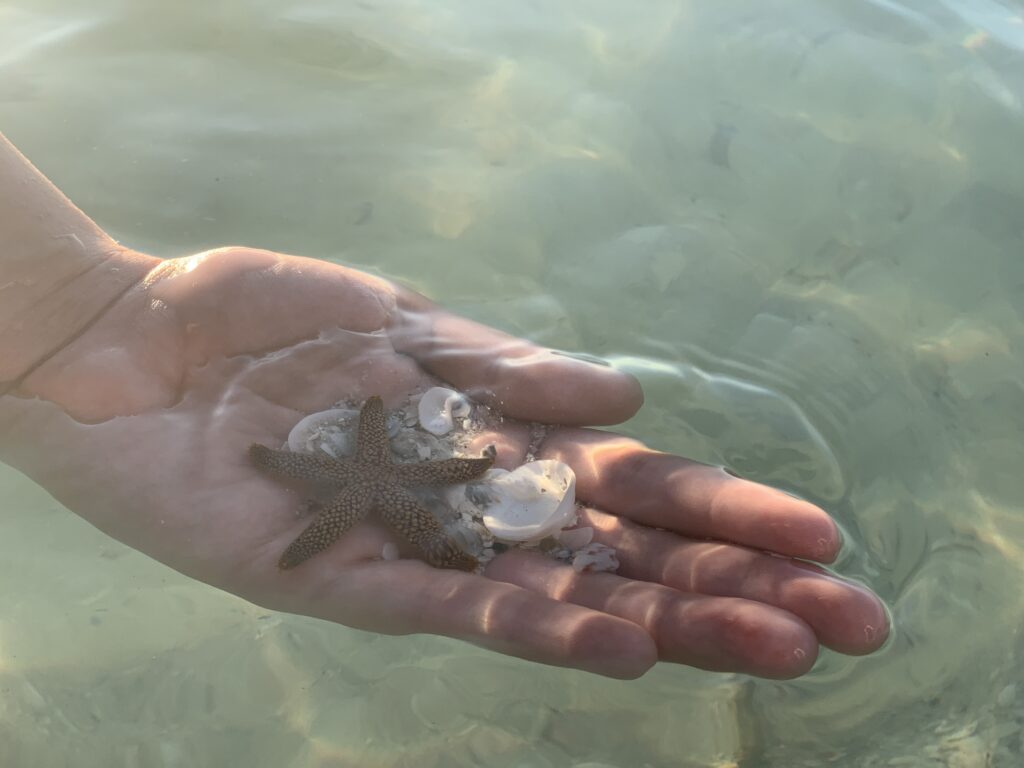
- Never take live shells
- Leave occupied shells for hermit crabs
- Collect sparingly and ethically
North Captiva Island State Preserve
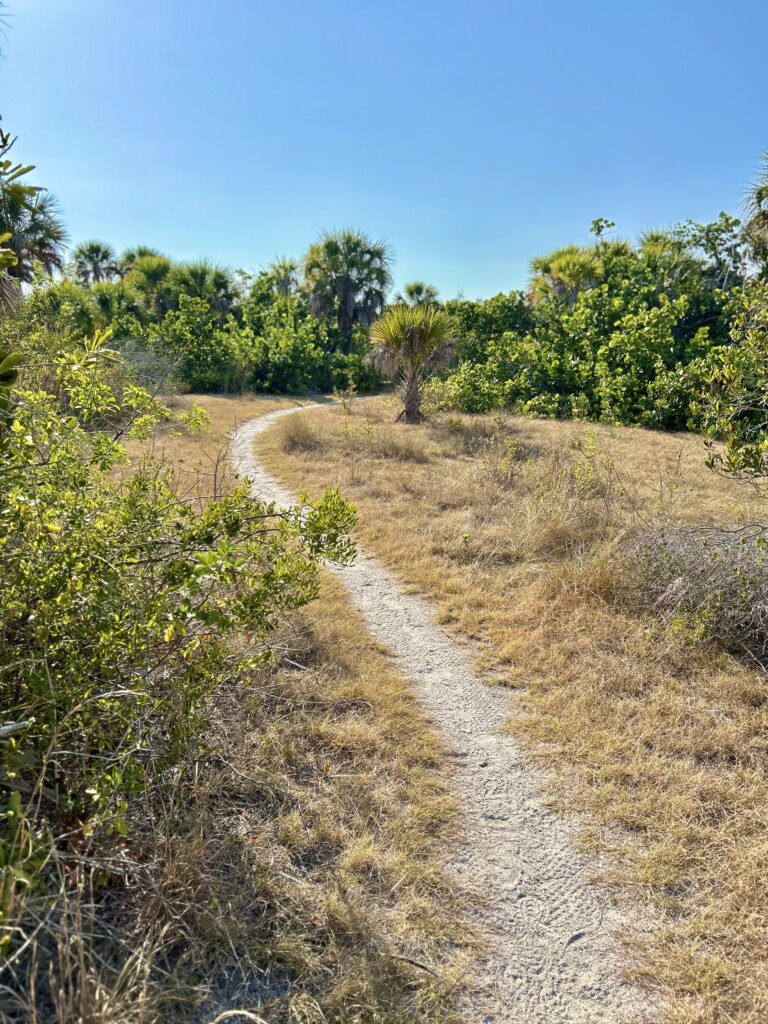
Located on the island’s southern tip, the 700-acre North Captiva Island State Preserve protects native habitats and wildlife. Visitors enjoy hiking trails, birdwatching, and unspoiled beaches.
Hiking Tips
- Bring water, sun protection, and bug spray
- Wear sturdy footwear
- Stay on marked trails
- Respect wildlife and leave no trace
Responsible Wildlife Viewing
For the safety of wildlife and visitors alike:
- Never feed, chase, or touch animals
- Maintain respectful distances
- Drive slowly, especially at dawn and dusk
- Pack out everything you bring
PLEASE NEVER TOUCH ANY WILDLIFE.
Residual chemicals from sunscreen, soaps, perfumes, and bug spray can seriously harm animals.
Embracing North Captiva’s Wildlife Ethos
North Captiva Island offers a rare opportunity to experience Florida’s coastal wildlife in a truly natural setting. By respecting conservation efforts and observing wildlife responsibly, visitors help preserve this extraordinary island sanctuary for future generations.
Whether you’re kayaking the mangroves, walking the shoreline, or watching dolphins from the beach, North Captiva invites you to slow down, look closer, and connect with nature—just as it was meant to be.