Beach Rules & Safety on North Captiva Island
Beach Rules (Important)
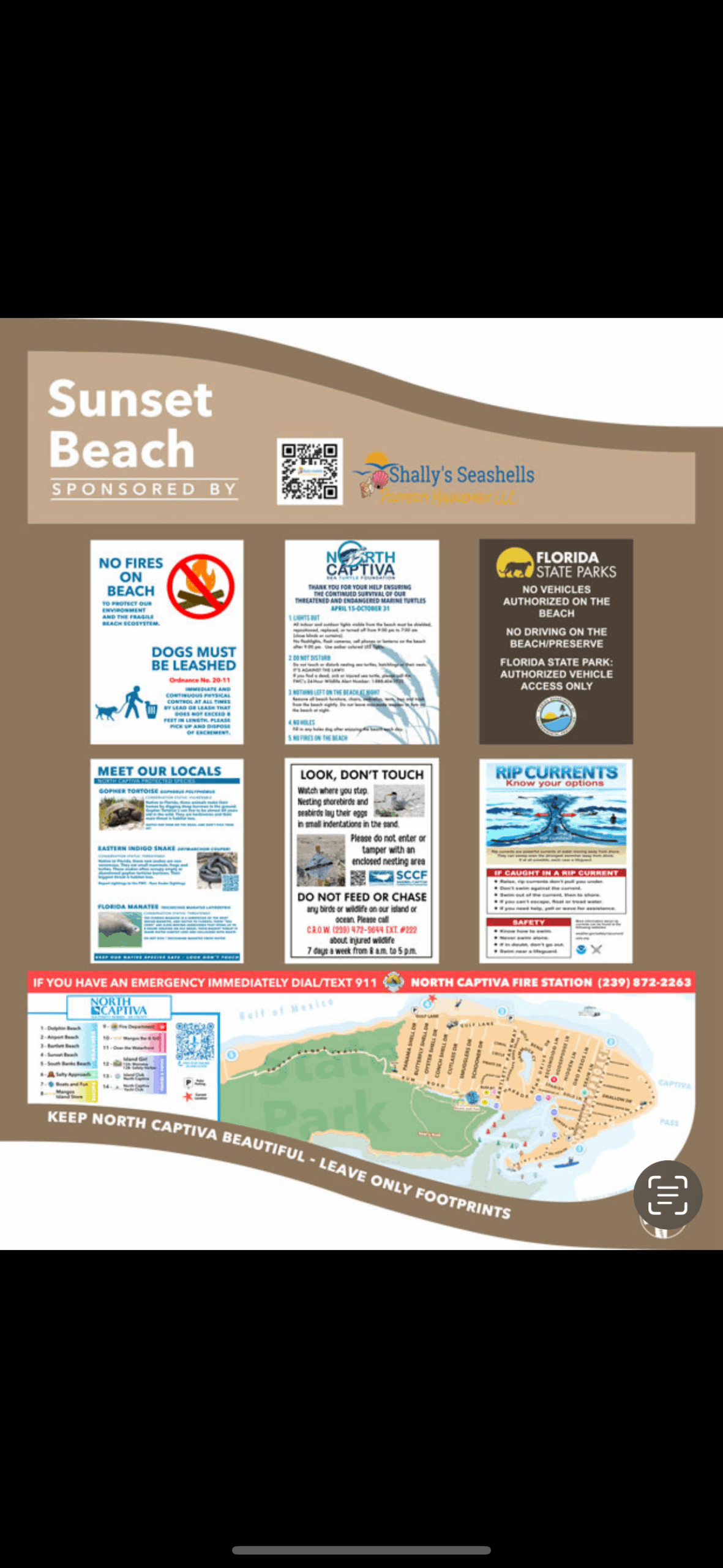
To protect our beaches and wildlife, please follow these rules at all times:
- No golf carts on the beaches
- No fires on the beaches
- Remove all personal items from the beach daily
- Fill in any holes you dig
- Take down all forts or temporary structures before leaving
Check current beach conditions:
Florida Healthy Beach Information
Dog Leash Law
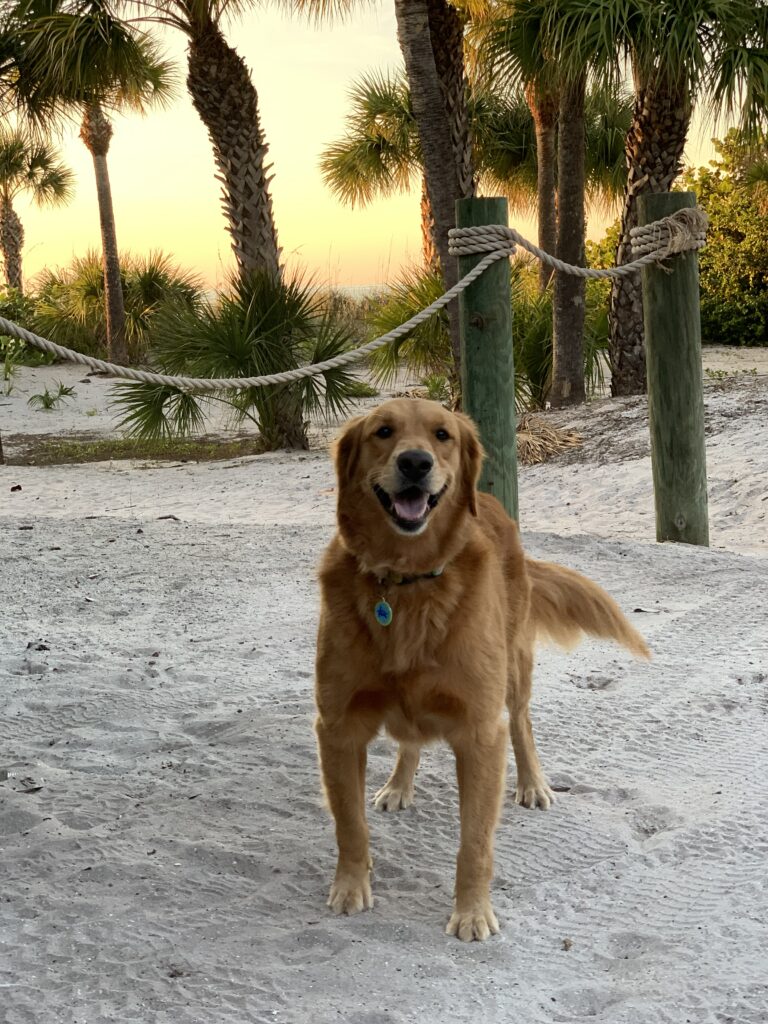
All dogs, cats, and household pets must be leashed or securely confined at all times unless on the owner’s private property.
- Pets must be under the physical control of a capable person
- Leashes, cages, or other humane restraints are required
- Allowing pets to roam freely is unlawful
Lee County Code- Sec. 4-32. Leash Law and Presumptions.
Beach Safety & Rip Currents
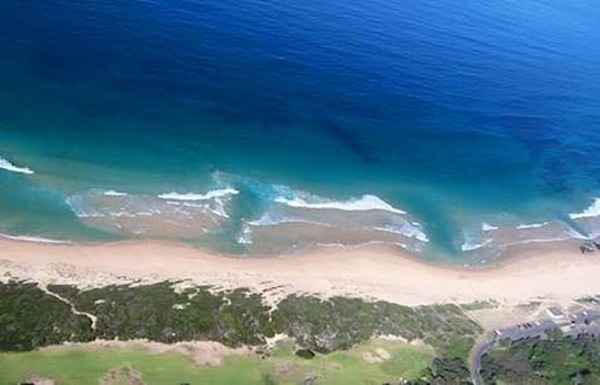
North Captiva has no lifeguards and no monitored beaches.
Rip Current Awareness
Rip currents are the leading cause of beach-related drownings. Please review these safety tips before entering the water:
- Rip currents often look calmer, darker, or wave-free
- Always spend 5–10 minutes observing the water before swimming
- If caught in a rip:
- Do not panic
- Float to conserve energy and raise one arm for help
- Swim parallel to shore, never against the current
- If unable to escape, let the current carry you until it weakens, then swim back
- Do not panic
If swimming with children, show them what rip currents look like and explain safe swimming areas.
Dolphin Beach
Location: N. Airstrip Drive & S. Airstrip Drive, North Captiva
No lifeguards on duty
Located on the east side of the runway, Dolphin Beach offers incredible dolphin viewing along Pine Island Sound.
- Dolphins are often seen feeding near the docks from sunrise to early afternoon
- Kayaking or floating nearby offers amazing viewing opportunities
- Never touch or chase dolphins — let them approach you if they choose
- This beach also hosts Sunday worship services
⚠️ Runway Warning: This is an active airstrip area—never block or sit on the runway.
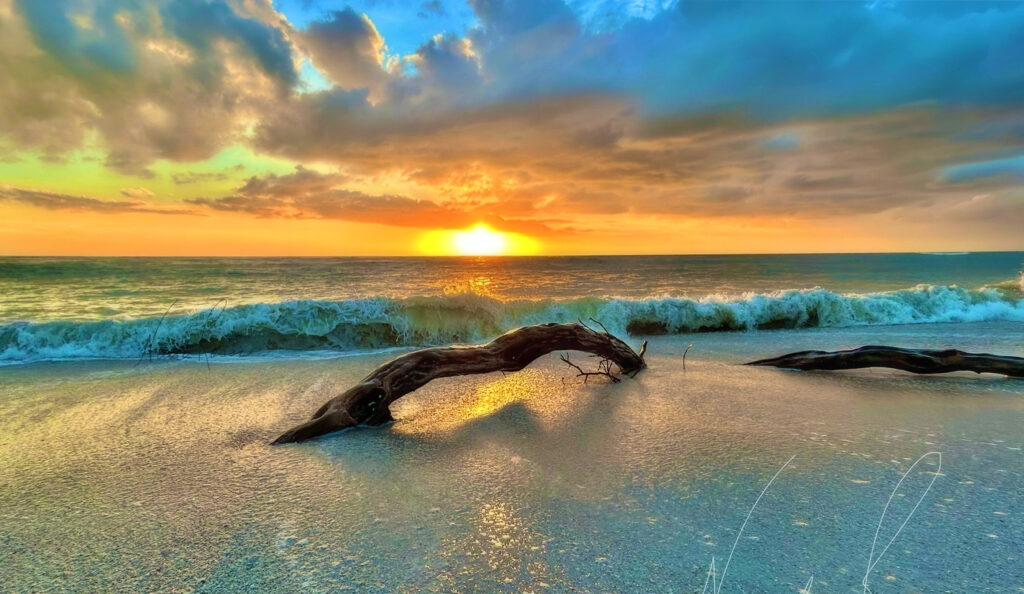
Sunset Beach (Main Gulf Beach)
Sunset Beach is North Captiva’s main Gulf-side beach, offering the most parking access and some of the best sunset views on the island. Stretching along the Gulf of Mexico, this wide, scenic beach is a favorite for evening walks, shelling, and watching the sun melt into the water.
- Main public beach on the island
- Most available parking
- Expansive Gulf views and stunning sunsets
- No lifeguards on duty
Sunset Beach is ideal for families, photographers, and anyone wanting classic North Captiva sunset views.
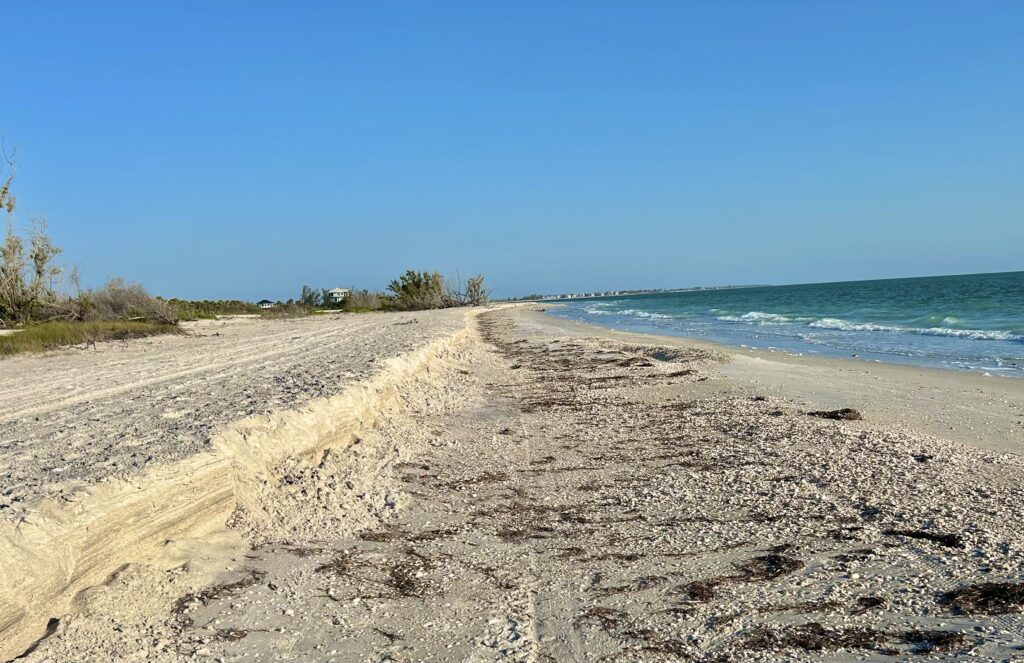
Bartlett Beach (Gulf Side)
Location: End of Bartlett Drive, North Captiva
Side: Gulf of Mexico
Bartlett Beach is a quieter Gulf-side beach access located at the end of Bartlett Drive. This access point offers beautiful sunset views and a more secluded beach experience.
- Parking is limited
- Easily accessed by golf cart or on foot from nearby homes
- Excellent spot for sunset viewing and beach walks
- No lifeguards on duty
Please be respectful of private property and do not block driveways or access points when visiting this area.
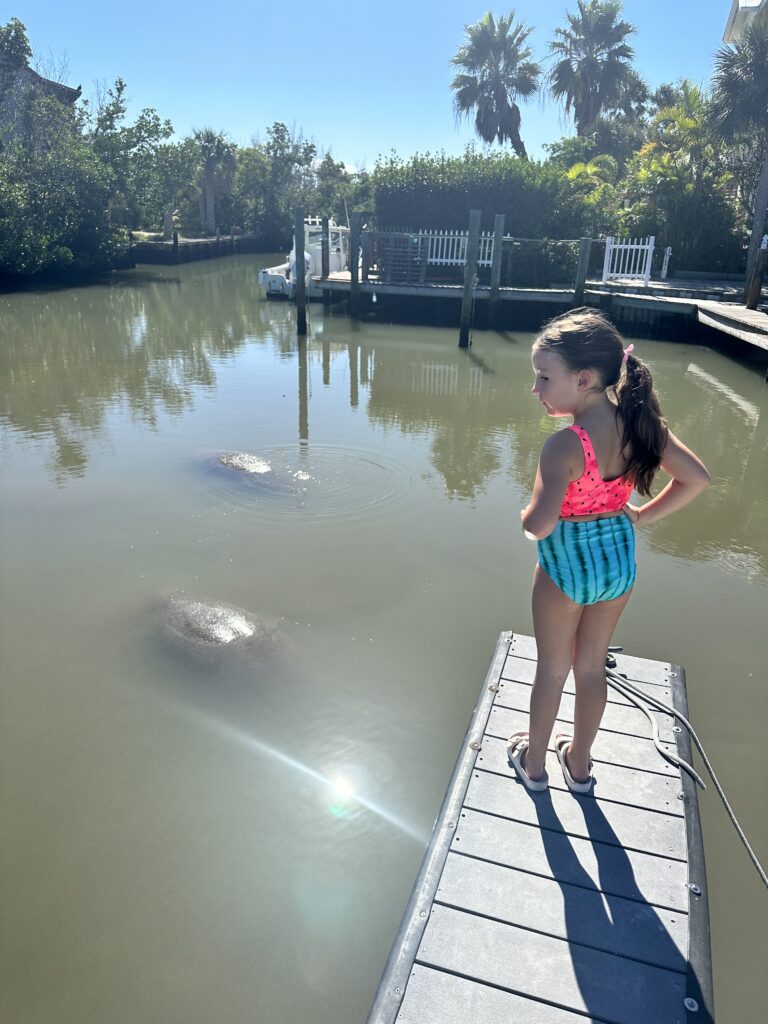
Manatee Canal
Location: 4473 S. Airstrip Drive, North Captiva
Known locally as Manatee Canal, this spot is perfect for manatee viewing.
- Best viewed when the sun is high and tides are lower
- Manatees (and calves!) often bask near seawalls and docks
- Cooler air temperatures bring higher manatee activity
- Manatees are curious—stand quietly and they may surface nearby
🚫 Please observe respectfully and never touch manatees.
Golf Cart Access – Important Note
The only area where golf carts are permitted near the beach is at N. Airstrip Drive & S. Airstrip Drive on the east (Sound) side of the island.
***Golf carts are never allowed on Gulf-side beaches.