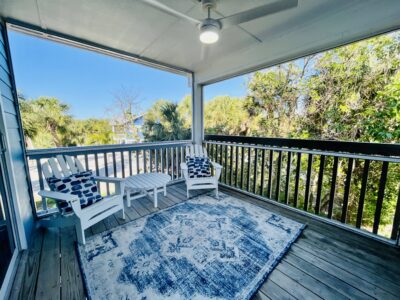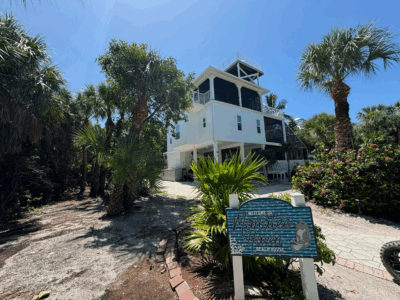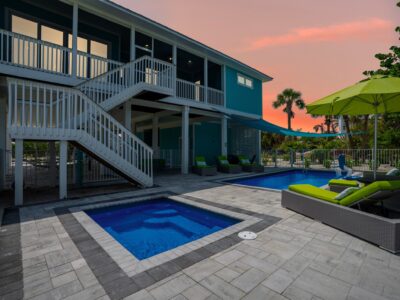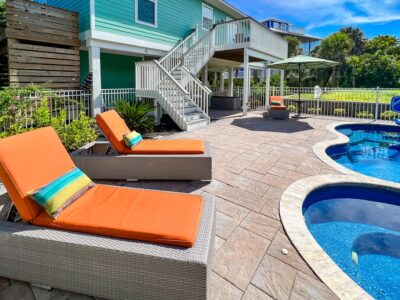
North Captiva Island
Guide to Florida’s Car-Free Barrier Island
North Captiva Island, also known as Upper Captiva, is a 750-acre barrier island located off the Gulf Coast of Florida, accessible only by boat or private plane. Created by a 1921 hurricane that severed it from Captiva Island, North Captiva remains one of Florida’s few car-free islands, where sandy trails, golf carts, and preservation-focused development define daily life.
Unlike its more developed neighbors—Sanibel and Captiva—North Captiva has no bridge, no paved roads, and no commercial strip. What it does offer is something increasingly rare in modern Florida: authentic isolation, pristine Gulf beaches, and a community built around conservation rather than convenience. This guide covers everything you need to know before planning your visit, from ferry schedules to emergency protocols.
Planning Your North Captiva Visit: Essential Services
Whether you’re visiting for the first time or planning an extended stay, North Captiva requires more logistical preparation than a typical beach vacation. Here are the essential services you’ll need to coordinate:
Getting There:
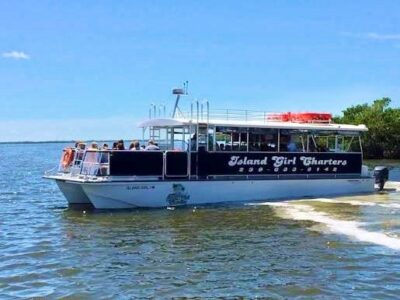
- Book Your North Captiva Ferry Crossing – Island Girl Charters, Island Club North Captiva Ferry, and private water taxi schedules
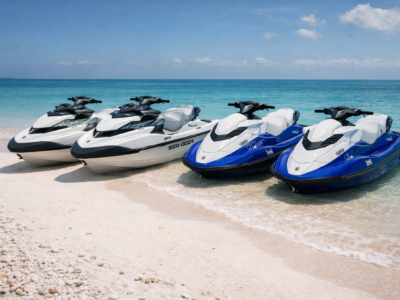
- Schedule a Private Charter or Excursion – Shelling tours, fishing trips, and custom boat transport
Staying Comfortable:
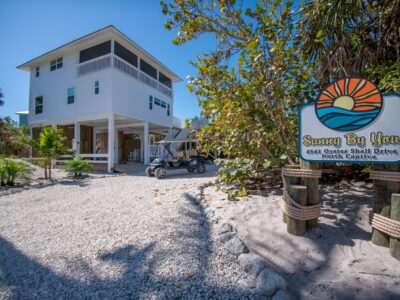
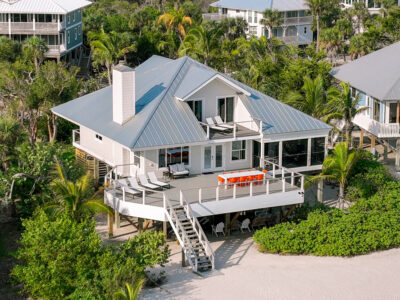
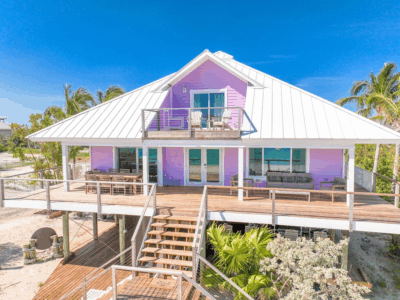
- Browse Available Homes – Verified rentals with conservation support
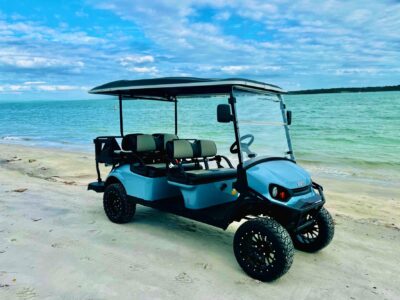
- Reserve Your Island Golf Cart – Essential for navigating sandy trails
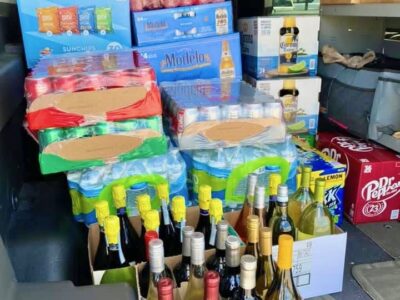
- Pre-Stock Your Rental with Island Provisioning – Grocery delivery and supply coordination
On-Island Support:
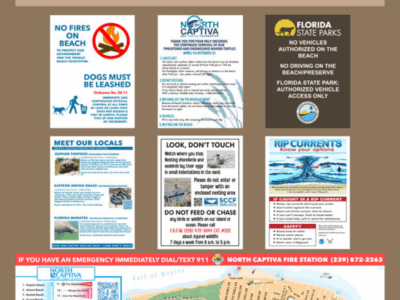
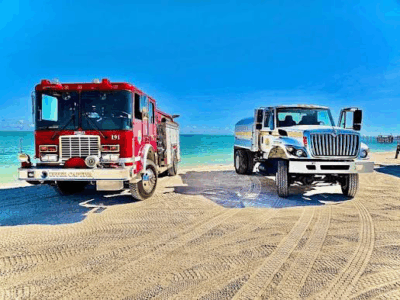
- Emergency Services – Local assistance, emergency protocols, and island expertise
The Island’s Origin: How a Hurricane Created Florida’s ‘Lost’ Key
North Captiva Island didn’t exist as a separate landmass until September 1921, when a Category 3 hurricane carved a new pass through what was then the northern tip of Captiva Island. The storm created what locals now call “The Narrows” or “Redfish Pass,” permanently dividing the barrier island chain.
While Captiva Island to the south eventually connected to Sanibel via a causeway in 1963, North Captiva remained isolated by design. Property owners and early settlers resisted bridge construction, preferring to maintain the island’s remote character. Today, that decision defines everything about the North Captiva experience.
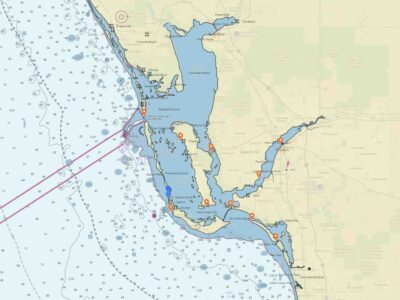
The island stretches roughly four miles rom Redfish Pass in the south to Captiva Pass in the North, that separates North Captiva Island from Cayo Costa Island. Most development clusters in two main areas: the Safety Harbor Club and the Island Club North Captiva Resort near the center. The southern third remains remains largely undeveloped, protected by conservation easements and state park adjacency.
This geography matters because it determines how you’ll access different parts of the island, where services are located, and what kind of experience you can expect. North Captiva isn’t a single destination—it’s three distinct micro-environments sharing one shoreline.
Getting to North Captiva: Ferry, Private Boat, and Airstrip Access
The logistics of reaching North Captiva represent the single biggest planning challenge for first-time visitors. There are three primary access methods, each with distinct advantages and limitations.
Ferry Service: The Island Girl Route
Island Girl Charters operates the primary passenger ferry service from Pine Island (Pineland Marina) to North Captiva. The ferry runs multiple times daily during peak season, with reduced schedules in summer months. Round-trip fares typically run $50-60 per adult, with discounted rates for children.
The ferry docks at the Safety Harbor Club marina on the southern end of the island and Mainstays. From there, you’ll need golf cart transportation to reach most rental properties. The crossing takes approximately 30-40 minutes depending on weather and tidal conditions through Redfish Pass.
Critical Planning Note: The last ferry back to the mainland typically departs by 5:30 PM. Missing this ferry means either arranging private water taxi service (expensive) or spending an unplanned night on the island. Always build buffer time into your schedule, especially if you’re catching flights the same day.
Luggage transport is straightforward but physical. The ferry crew will help load bags onto the boat, but you’re responsible for getting them from the dock to your rental. Most rental homes offer a personal check in where they meet you at the dock and assist with all your luggage and groceries. Most properties are golf-cart accessible from the marina, but sandy trails and limited cargo space mean packing light is strategic, not optional.
Private Boat Access: The Redfish Pass Approach
Experienced boaters can access North Captiva via Redfish Pass, the channel separating it from Captiva Island. The pass is navigable but notorious for strong currents, shifting sandbars, and heavy boat traffic during season. Local knowledge or detailed charts are essential.
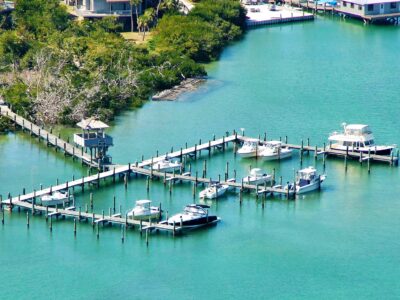
Once through the pass, boaters can dock at the Island Club North Captiva Marina, Safety Harbor Club marina (Members and registered guests only), or private docks that can be arranged with Property Managers. Some rental properties include private dock access, which dramatically simplifies provisioning and day-trip logistics.
If you’re trailering a boat to the area, the nearest public ramps are on Pine Island or at the Captiva Island causeway. Budget 45-60 minutes of run time from mainland ramps to North Captiva docks.
Air Access: The Salty Approach Airstrip
North Captiva Island Airport (airport identifier: X26, locally known as “Salty Approach”) is a 2,300-foot grass airstrip located near the island’s north end. It accommodates small single and twin-engine aircraft, with prior permission required for landing.
Golf cart pickup from the airstrip must be arranged in advance—there’s no Uber equivalent waiting at the runway.
Understanding the Island’s Three Distinct Zones
North Captiva operates as three overlapping communities, each with different governance, amenities, and cultural expectations. Understanding these zones helps you choose the right location and set accurate expectations.
Safety Harbor Club: The Organized Community
Safety Harbor Club is a homeowners association encompassing roughly 200 properties on the island.
The community maintains its own marina, a pool facility, and a restaurant Over The Water. HOA fees fund these amenities and basic infrastructure maintenance. Properties range from modest townhomes to luxury Gulf-front estates.
The vibe here is “upscale rustic”—wealthy but not ostentatious, casual but well-maintained. Neighbors know each other. Golf carts yield to pedestrians. The Little Free Library near the marina (maintained by a longtime resident named Angie) sees regular use. This is where you’ll find the strongest sense of community stewardship.
North Captiva Island Club: The Resort Experience
The Island Club North Captiva (NCIC) operates as a private resort and club in the island’s midsection. It includes a restaurant, tiki bar, swimming pools, and a marina. The club owns and manages multiple rental properties on the island.
Access to Island Club North Captiva amenities requires membership, resort guest status, or day passes (availability varies). The restaurant, Mangos, is open to the public.
The Island Club North Captiva area has a more “resort” feel compared to Safety Harbor’s residential character. It’s more manicured, more staffed, and more insulated from the DIY logistics that define the rest of the island.
Private Parcels and Conservation Areas
The Southern portion of the island consists of scattered private parcels, conservation easements, and undeveloped shoreline. Some of Florida’s most exclusive private estates occupy this zone, accessible only by private boat or trails.
Public beach access extends along the entire Gulf shoreline, but reaching the Southern beaches requires a substantial trek (30+ minutes) or boat access. These beaches offer the most solitude but the least infrastructure—no facilities, no services, just sand and wildlife.
Life Without Cars: Golf Carts, Sandy Trails, and Island Navigation
North Captiva has no paved roads and no automobiles. Transportation is limited to golf carts, bicycles, and walking. This isn’t a marketing gimmick—it’s a genuine infrastructure reality that shapes daily life.
Golf Cart Culture and Rules
Golf carts are the primary mode of transportation. Most vacation rentals include a golf cart with the property, but if yours doesn’t, you’ll need to rent one separately. Carts are essential, not optional. The island is too large to walk everywhere, and sandy trails make bicycling difficult with any cargo.
North Captiva and Safety Harbor Club maintains trail etiquette: yield to pedestrians, keep speeds under 15 mph, and park considerately near shared facilities. Carts must be registered with the HOA and display identification stickers. After dark, headlights are mandatory—the island has no streetlights, and trails become genuinely dark.
Battery-powered carts are standard. Most properties have charging stations, but you’ll need to plug in nightly. Running out of charge mid-island is a common rookie mistake. If your cart dies, you’re either walking back or calling for a tow (yes, there’s a golf cart mechanic on-island).
Trail Conditions: The Reality Check
The trails are not paved. They’re not graded. They’re compacted sand and shell, maintained by periodic grading but subject to washouts, erosion, and vegetation encroachment. After heavy rains, puddles and soft spots are common.
This matters more than most visitors expect. Luggage with small roller wheels will struggle. Strollers need all-terrain tires. Elderly or mobility-impaired visitors should carefully assess property locations—some homes require navigating steep steps or soft sand paths that aren’t golf-cart accessible.
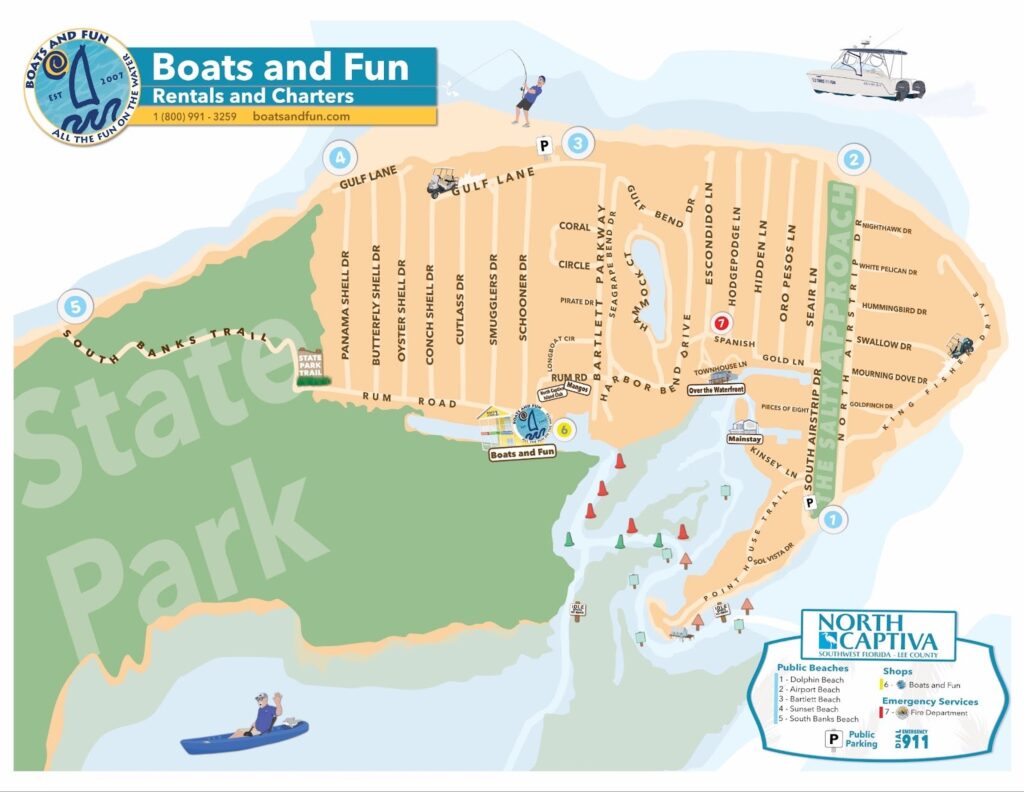
The main north-south trail runs the length of the developed island, with east-west spurs to individual properties. Signage exists but isn’t comprehensive. First-time visitors routinely get turned around. Download this map before arrival—cell coverage is spotty, and GPS doesn’t always recognize island trails.
The Provisioning Challenge: Groceries, Supplies, and Logistics
The question “How do I get groceries?” dominates first-timer anxiety, and rightfully so. North Captiva has no grocery store, no restaurants open to the public, and no DoorDash. You have three provisioning strategies, each with tradeoffs.
Strategy 1: Pre-Stocking with Delivery Services
Several mainland services specialize in provisioning North Captiva rentals. You submit a shopping list online, they purchase and pack your order, and deliver it to your rental before your arrival (or coordinate ferry transport with your arrival).
Services like Good Foods, Fresh Pick Grocery, or Shipt/Instacart. Expect to pay the cost of groceries plus a shopping fee (typically 20% of order total) plus delivery charges. Yes, it’s more expensive than shopping yourself, but it eliminates the logistical nightmare of hauling coolers on the ferry.
The quality and selection are generally good—these aren’t convenience store options. You can order fresh produce, meats, specialty items, fresh seafood and alcohol. Orders should be placed 3-5 days in advance during peak season.
The Markup Reality: Reviews of various services mention upcharges ranging from “reasonable” to “40% over retail for stocking the home.” This is the cost of convenience on a boat-access island. If budget is tight, this method gets expensive fast for large groups or long stays.
Strategy 2: Bring-Your-Own via Ferry or Boat
The DIY approach involves shopping at mainland grocery stores (Publix on Pine Island or Fort Myers), packing everything into coolers and bags, and transporting it via ferry or private boat.
This saves money but requires significant effort. You’ll need multiple coolers (ice melts fast in Florida sun during transport), you’ll need to carry everything from the ferry dock to your golf cart, and you’ll need to time your shopping so perishables don’t spoil before you reach refrigeration.
For boat owners, this is simpler—dock at your rental, unload directly. For ferry passengers, it’s a workout. Budget 30-45 minutes of load/unload time on top of your travel schedule.
Pro Tip: Many experienced North Captiva visitors do a hybrid model. Order staples and heavy items (cases of water, beer, canned goods) via delivery service, then bring fresh items and specialty preferences in a single cooler on the ferry.
Strategy 3: Island Store and Improvisation
The Island Club North Captiva general store stocks basic supplies—bread, milk, eggs, snacks, ice, sunscreen, and limited frozen items. It’s not a full grocery store. Hours are limited and irregular. Prices reflect the captive market and boat-delivery costs.
The store works for emergency items or topping off supplies mid-stay, but you cannot provision an entire week here. Treat it as backup, not primary strategy.
Some long-term renters or property owners arrange barge delivery for bulk items (cases of beverages, large supply orders). This is cost-effective for extended stays but requires advance coordination and minimum order sizes.
Essential Systems: Water, Power, Waste, and Connectivity
North Captiva operates off-grid by necessity. Understanding the island’s utility systems prevents surprises and helps you pack appropriately.
Water: The RO System Reality
Most properties use reverse osmosis (RO) systems to convert brackish well water into potable water. The water is technically safe to drink, but many visitors report a slight sulfur smell or taste, especially in hot water or sprinkler system. This is normal for barrier island well systems.
Most renters prefer bottled water for drinking and cooking but the water on island is safe and to preserve our island we would recommend you bring a water bottle to fill up with the reverse osmosis water. The sulfur smell is more noticeable in showers and dishwashers—it’s not harmful, just unfamiliar.
Some older properties still use cistern systems (rainwater collection). These require more careful water conservation. Your rental agreement should specify the water system type and any usage guidelines.
Power: Solar, Generator, and Grid
The island has a newly updated electrical grid infrastructure. Some properties supplement with solar panels and generator systems. Southern properties rely partially or fully on generators.
Power outages are more common than on the mainland, especially during storms. Most properties have backup systems, but you should know how to reset breakers or restart generators if needed. Property managers typically provide instructions, but cell service may be limited when you need to call for help.
Bring portable battery packs for phones and devices. Don’t assume you can charge everything simultaneously—some properties have limited electrical capacity.
Waste: Pack-In, Pack-Out Mentality
North Captiva has no municipal trash service. Most properties use private waste removal that runs on a weekly schedule. Renters are responsible for bagging trash and placing it in designated areas for pickup.
Recycling options are limited. Composting is encouraged but not universal. The island culture emphasizes minimal waste and environmental responsibility—this isn’t the place for single-use plastics and excessive packaging.
Connectivity: Wi-Fi and Cell Service
Cell coverage is spotty and carrier-dependent. Verizon and AT&T generally perform better than T-Mobile or smaller carriers, but even major carriers have dead zones. Don’t expect reliable signals everywhere on the island.
Most rental properties have Wi-Fi via satellite or fixed wireless systems. Speeds variable and would highly recommend you inquire about internet services at your rental.
Many visitors find the limited connectivity refreshing—it’s part of the “digital detox” appeal. But if you need reliable internet for work or emergencies, verify capabilities with your property manager before booking.
Safety and Emergency Services on a Remote Island
North Captiva’s isolation creates genuine safety considerations that differ from mainland vacations. Understanding emergency protocols isn’t paranoia—it’s responsible trip planning.
Medical Emergencies: The Helicopter Reality
The island has no hospital, no urgent care clinic, and no 24-hour medical facility. In the event of a serious medical emergency, evacuation is by helicopter (Lee County EMS) or boat to mainland hospitals in Fort Myers or Cape Coral.
Response times are longer than mainland 911 calls—count on 15-60 minutes minimum from call to evacuation, depending on weather and helicopter availability. Weather conditions that ground helicopters can delay response by hours.
Some residents maintain basic first aid supplies and training. The Fire Department on the island has first aid resources for guests. But for anything beyond minor cuts or sprains, you’re looking at evacuation.
Travel Insurance Recommendation: Given the evacuation costs and logistics, travel insurance with medical evacuation coverage is genuinely advisable for North Captiva stays, especially for families with young children or visitors with pre-existing conditions.
Weather Monitoring: Red Tide and Hurricanes
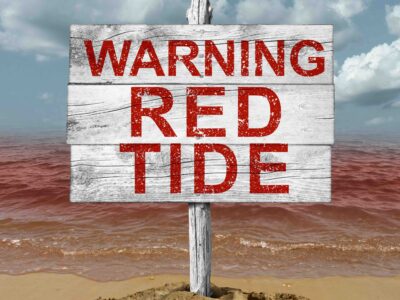
Red tide (harmful algal blooms) periodically affects Gulf Coast beaches, including North Captiva. During blooms, beach air quality declines, dead fish wash ashore, and respiratory irritation affects sensitive individuals. The Florida Fish and Wildlife Conservation Commission maintains a red tide status map that should be checked before travel.
Hurricane season (June-November) requires monitoring. The island is subject to mandatory evacuation orders when storms threaten. Most property managers will contact renters if evacuation is necessary, but you’re responsible for monitoring forecasts and having an exit plan.
The island’s low elevation (highest point is maybe 8-10 feet above sea level) makes it vulnerable to storm surge. Take tropical weather seriously.
General Safety Considerations
Wildlife encounters are common but rarely dangerous. Sharks are present in Gulf waters (as they are everywhere in Florida). Respect wildlife distance and use common sense.
The bigger risks are sun exposure, dehydration, and boating accidents. The Florida sun is intense year-round. The Gulf looks calm but has currents and boat traffic. More visitors are injured by sunburn and heat exhaustion than by wildlife.
Secure property before leaving for day trips. The island has low crime, but unlocked homes and unsecured valuables invite problems anywhere.
What to Do: Beaches, Shelling, Wildlife, and Recreation
North Captiva’s appeal is less about “attractions” and more about natural environment and deliberate slowness. Your itinerary will revolve around beaches, water, and wildlife.
Beach Access and Gulf Shoreline
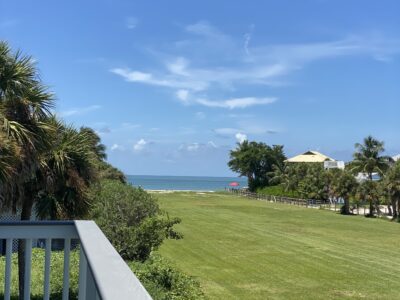
The entire Gulf-side beach is publicly accessible, running the full length of the island. The sand is white, the water is warm, and the crowds are minimal compared to Sanibel or Fort Myers Beach.
Beach access points are scattered throughout the Island. Most rental properties within the community are a short golf cart ride or walk from beach access. The beaches are natural—no lifeguards, no facilities, no concessions. Bring everything you need and take everything back with you.
The Southern beaches (accessible via long trek or boat) offer the most solitude. You can walk for miles and encounter only a handful of people, especially outside peak season.
Shelling: The North Captiva Advantage
North Captiva competes with Sanibel for the title of Florida’s best shelling destination. The island’s position and the currents through Redfish Pass create ideal conditions for shell deposits.
Early morning low tides offer the best shelling, especially after storms or strong winds. Common finds include sand dollars, fighting conchs, lightning whelks, and occasional junonia shells (the Holy Grail of Gulf shelling).
The “shelling stoop” (bending to pick shells) is so common it’s a recognized island posture. Serious shellers bring mesh bags and start at dawn. Remember that live shells (shells with living creatures inside) should be returned to the water—it’s both ethical and legally required.
Nature Preserve
Try this 2.6-mile out-and-back trail on North Captiva, Florida. Generally considered an easy route, it takes an average of 45 min to complete. This trail is great for hiking, mountain biking, and running, and it’s unlikely you’ll encounter many other people while exploring. The trail is open year-round and is beautiful to visit anytime. There is a clearly defined trail that loops around from Panama Shell and back to the same starting point. The total loop is about 2.6 miles.
Wildlife Watching and Eco-Tourism
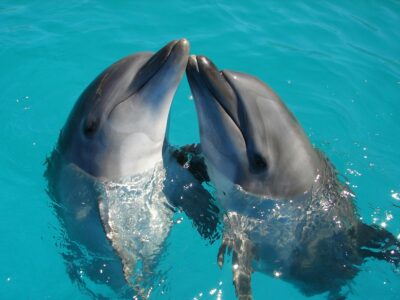
North Captiva sits within one of Florida’s most biodiverse coastal ecosystems. Dolphin sightings are daily occurrences. Manatees frequent the calm waters, especially in cooler months. Sea turtles nest on the beaches from April through October (nests are marked and protected—give them wide berth).
Bird watching is exceptional. Roseate spoonbills, ospreys, pelicans, herons, and egrets are common. During migration seasons, the island becomes a stopover for dozens of species.
Cayo Costa State Park, accessible by boat from North Captiva, offers additional hiking, kayaking, and primitive camping. The park occupies the barrier island immediately north and remains almost entirely undeveloped.
Fishing and Boating
Redfish Pass is renowned for snook, redfish, and tarpon fishing. The Gulf side offers surf fishing for pompano and whiting. Backwater areas hold mangrove snapper and sea trout.
Several charter services operate from North Captiva or will pick up from the island. Inshore and offshore trips are available. Fishing licenses are required (Florida regulations apply).
Kayaking and paddleboarding are popular in the calm interior waters. Some rental properties include kayaks. The mangrove tunnels and shallow flats offer excellent paddling for beginners.
Island Traditions and Hidden Gems
Angie’s Little Free Library (4550 Cutlass Drive) and by the Fire Department is a beloved island fixture. Take a book, leave a book. The selection leans toward beach reads and Florida history.
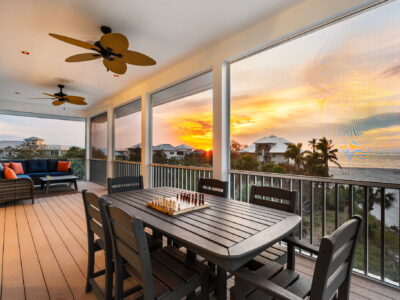
The island has no formal entertainment, no movie theater, no arcade. Evening activities revolve around sunsets, stargazing (the lack of light pollution is remarkable), and conversation. Bring books, cards, and board games. Embrace the boredom—it’s the point.
Mackie’s Island Quest: Educational Programs for Kids
Looking for a fun way to break up your beach time for kids who need a break from the sun? On your visit to North Captiva, give your children the opportunity to come home with more than just a tan. Sign them up for a session of Island Quest to learn about the island and ocean animals as well as sea shells. Children ages 3-12 love this two hour program which is offered in my home’s ocean classroom. Extended learning packets go home with each child. Text retired educator and island resident, Valerie Horstman at 740-581-2079 to schedule a session. The cost is per child per session. Sessions are two-2.5 hours depending on size of group.
Visit their Facebook page: https://www.facebook.com/share/1BSHqs1hf4/?mibextid=wwXIfr
Sessions usually go like this:
- Five minutes of get to know each other
- A section on seashells with specimens and photos
- A section on other sea life with specimens and photos
- A break with a couple of active activities
- Snack time
- A section on sea turtles and gopher tortoise with books and photos/videos
- Shell crafts
- A section on pollution of the oceans
- A section on dolphins with books and photos/videos
- A dolphin craft
- A section on manatees (depending on time)
- Ocean related games as time permits. Longer sessions are available at additional cost.
Dining and Nightlife: Restaurants, Bars, and Reality
Setting accurate expectations about food and dining is critical to North Captiva satisfaction.
On-Island Dining Options
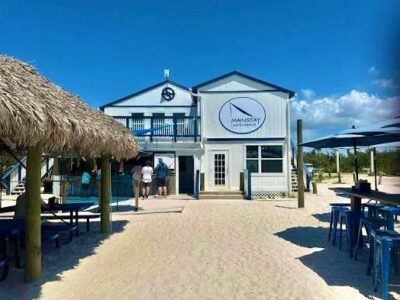
The Island Club North Captiva restaurant and bar, Mangos, along with Mainstay/Barnacle are the only commercial dining options on the island..
The restaurants offers casual American fare—burgers, seafood, salads—in a waterfront setting. It’s good but not gourmet. The tiki bar is the island’s social hub during season, especially weekend afternoons.
Over The Waterfront
For a more intimate and scenic experience, this is your spot. As one of Florida’s few true over-the-water restaurants, it’s perfect for a special occasion.
- The Vibe: Romantic and celebratory, with a sun deck overlooking Safety Harbor that’s perfect for watching dolphins.
- The Food: The menu is seasonal and creative, featuring expertly prepared local seafood, steaks, and pasta.
- Good to Know: This restaurant is BYOB (Bring Your Own Beverage), so pack your favorite wine or beer. Reservations are essential as space is very limited.
- Reservations are needed
Private Chef Services
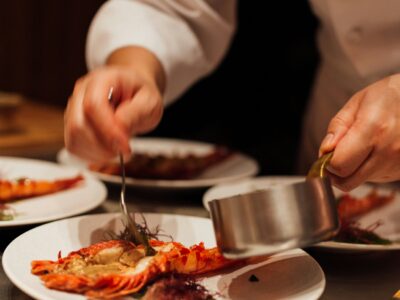
Several private chefs serve North Captiva, offering in-home meal preparation for groups. This is popular for special occasions or guests who want a restaurant-quality meal without leaving the island.
Chefs handle provisioning (you pay for groceries plus chef fee) and preparation. Menus range from seafood boils to multi-course dinners. Booking should happen well in advance during peak season.
Nearby Options (By Boat)
Boaters can access several restaurants on nearby islands. Barnacle Phil’s on Sanibel is a popular day-trip destination, accessible via Redfish Pass. Cabbage Key (famous for its cheeseburger and dollar-bill-covered walls) is a short boat ride north. Bubble Room on Captiva.
These require private boat access—you can’t reach them via golf cart or ferry from North Captiva.
The Provisioning Reality
Most North Captiva stays involve cooking at your rental. Properties typically include full kitchens. Plan menus in advance, provision accordingly, and embrace the home-cooking lifestyle.
Grilling is popular and practical. Many properties have gas or charcoal grills. The island culture leans toward fresh seafood, simple preparations, and meals eaten on porches overlooking the Gulf.
Alcohol must be provisioned in advance—there’s no liquor store on the island. The general store and Boats and Fun stock limited beer and wine, but selection is minimal. Include alcohol in your delivery order or bring it via ferry.
Conservation and Community: Stewardship of Florida’s Last Frontier
North Captiva’s greatest asset is its undeveloped character, maintained through deliberate conservation efforts and community commitment.
The North Captiva Conservation & Beautification Foundation
The Foundation coordinates island-wide preservation initiatives, including dune restoration, native plant programs, and beach cleanup efforts. Many property owners contribute financially, and volunteer workdays attract both residents and visitors.
The “Green Wall Project” focuses on maintaining coastal vegetation that stabilizes dunes and provides habitat. After hurricanes, restoration efforts prioritize native species over imported ornamentals.
Sea Turtle Protection
North Captiva’s beaches are critical nesting habitat for loggerhead, green, and occasional leatherback sea turtles. Nesting season runs April through October, with hatchlings emerging July through November.
Volunteers monitor nests, mark locations, and educate visitors. Beach lighting restrictions (no white lights visible from the beach during nesting season) are strictly enforced. Visitors are asked to avoid marked nests and report any disturbances.
The Conservation Funding Model
This rental platform structure fees to include conservation contributions. This “stay funds preservation” model differentiates North Captiva from purely transactional vacation markets.
When booking thru this website you are booking a home that gives back to the island. Choosing conservation-aligned rentals directly funds the protection of what makes the island special.
Visitor Responsibility
The island’s environmental health depends on visitor behavior. Pack out all the trash. Avoid disturbing wildlife. Stay on designated trails to prevent dune erosion. Don’t collect live shells. Respect private property boundaries.
The island culture is self-policing and community-minded. Egregious violations (littering, reckless golf cart driving, disturbing nests) are noticed and reported. The expectation is that visitors will act as temporary stewards, not tourists.
Frequently Asked Questions
Is North Captiva Island the same as Captiva Island?
No. North Captiva and Captiva are separate islands, divided by Redfish Pass. Captiva Island is connected to Sanibel via bridge and accessible by car. North Captiva is boat-access only and remains undeveloped by comparison. The 1921 hurricane created this separation. Locally, North Captiva is sometimes called “Upper Captiva,” which adds to the confusion.
How do you get groceries to a house on North Captiva?
You have three options: use a provisioning service that shops and delivers for you (most convenient, most expensive), bring your own groceries via ferry or private boat (cheapest, most effort), or rely on the limited island general store (emergency backup only). Most visitors use a combination—delivery service for bulk items, bring perishables and favorites yourself.
Can you drive a car onto North Captiva Island?
No. The island has no bridge, no car ferry, and no paved roads. Transportation is limited to golf carts, bicycles, and walking. Even if you could somehow transport a car, there’s nowhere to drive it. Golf carts are essential and typically included with vacation rentals.
What happens if there is a medical emergency on the island?
Serious medical emergencies require evacuation by helicopter (Lee County EMS) or boat to mainland hospitals in Fort Myers or Cape Coral. Response times are 15-60 minutes minimum, longer if weather grounds helicopters. The island has no hospital or urgent care. Travel insurance with medical evacuation coverage is advisable, especially for families or visitors with health concerns.
Are there restaurants or bars open to the public on North Captiva?
Mangos, Over the water, and Barnacles are all open to the public. Most stays involve cooking at your rental property.
Is the water safe to drink from the tap on the island?
Most properties use reverse osmosis systems that produce safe and delicious water. Make sure to ask your property manager what water system the house has. Many visitors report a slight sulfur smell or taste if water is not treated. The water is technically safe but many renters prefer bottled water for drinking and cooking. The sulfur smell is normal for barrier island wells and not harmful.
How do you transport luggage from the ferry to the rental house?
The ferry crew will help load luggage onto the boat at Pineland Marina and unload at the North Captiva dock. From there, you’re responsible for loading it into your golf cart and transporting to your rental. Most rentals property managers will meet your at the dock and help transport your luggage. Sandy trails and limited cargo space mean packing light is strategic. Luggage with small wheels struggles on unpaved trails.
What is the best time of year to visit North Captiva Island?
Peak season runs December through April, offering the best weather, lowest humidity, and minimal rain. This is also the most expensive and crowded period (though “crowded” is relative—North Captiva never feels like Fort Myers Beach). Summer (June-September) brings heat, humidity, afternoon thunderstorms, and lower rates. Fall (October-November) offers pleasant weather and fewer visitors but overlaps with late hurricane season. Spring (March-April) is ideal for weather and shelling. May is best for active wildlife and beautiful green/blue water.