Red Tide At North Captiva Island – What Visitors Need to Know
Key Takeaways
- Red tide is a harmful algal bloom caused by Karenia brevis, impacting North Captiva Island’s waters.
- It produces toxins affecting marine life, human health, and the environment.
- Symptoms include respiratory irritation; vulnerable groups should exercise caution.
- Red tide concentrations vary daily; checking current conditions is essential.
- Reliable updates are available from the Florida Fish and Wildlife Conservation Commission and the Sanibel-Captiva Conservation Foundation.
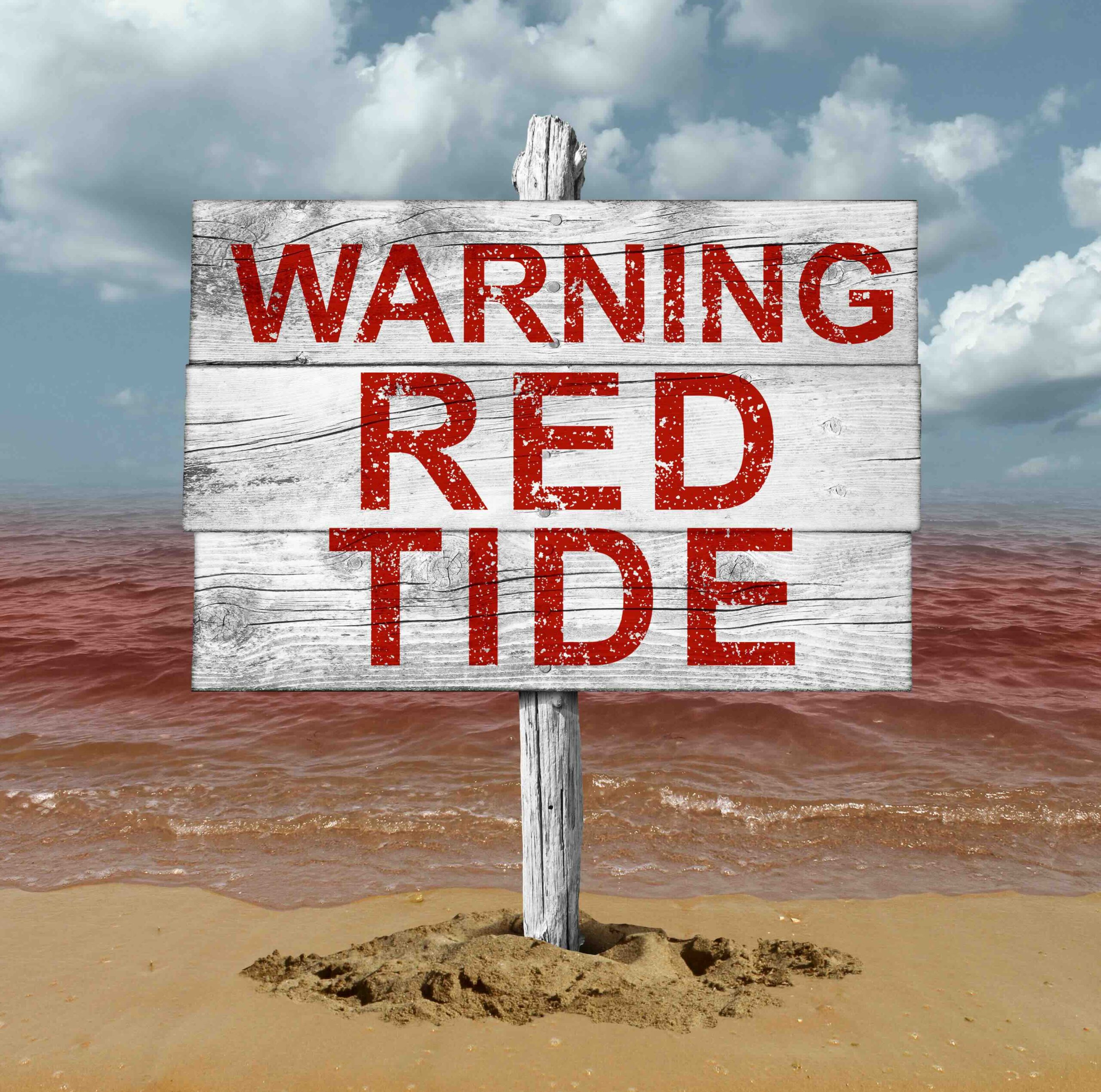
North Captiva Island’s pristine beaches and fishing opportunities can be significantly impacted by red tide events, making awareness vital for planning visits. Red tide, caused by Karenia brevis, releases potent neurotoxins called brevetoxins, affecting marine life, air quality, and recreational activities in Southwest Florida’s waters.
Understanding red tide is crucial for visitors as it influences the beach experience and health risks. During red tide, visitors may experience respiratory irritation, particularly those with asthma or chronic lung conditions. Beach conditions can change dramatically, with clear waters turning murky, dead fish washing ashore, and a sulfur-like odor in the air. Swimming can lead to skin irritation and burning sensations.
Planning requires monitoring reports and forecasts. Red tide usually occurs between August and December, though it can happen year-round. The Florida Fish and Wildlife Conservation Commission (FWC) provides real-time data and updates to help travelers make informed decisions.
Being informed helps protect your investment and ensures family safety. Boating, fishing charters, and water sports may be canceled during severe blooms. Shellfish harvesting closures protect health as filter feeders concentrate dangerous toxins. Staying informed allows safe planning and minimizes exposure while enjoying North Captiva responsibly.
What Is Red Tide and Why Does It Occur in Southwest Florida?
Red Tide Defined (Karenia brevis)
Red tide in Southwest Florida refers to harmful algal blooms caused by Karenia brevis, a small marine dinoflagellate. This organism naturally occurs in Gulf waters but can bloom under the right conditions, sometimes coloring the water reddish-brown and releasing brevetoxins harmful to marine life and humans.
What Triggers a Red Tide Bloom?
Red tide blooms require specific conditions: temperatures between 65-85°F, salinity levels of 31-37 parts per thousand, and calm seas. Nutrient availability from natural sources like decomposing fish and human activities such as agricultural runoff fuels their reproduction. Southwest Florida’s shallow continental shelf and warm waters create ideal conditions, with blooms typically peaking from late summer to early winter.
Is Red Tide Natural or Caused by Pollution?
Red tide is a naturally occurring phenomenon documented since the 1500s. However, human activities can exacerbate blooms. Coastal development, agricultural runoff, and stormwater discharge introduce excess nutrients that prolong blooms beyond natural levels. While blooms can start offshore without human influence, nutrient pollution can extend their duration.
When Does Red Tide Happen? Seasonality and Patterns
Red tide blooms around North Captiva Island occur primarily from August to February, with peak activity between September and November. These harmful algal blooms follow seasonal patterns, but their intensity and duration vary based on environmental factors like rainfall, winds, and Gulf currents.
Typical Bloom Seasons
North Captiva Island typically sees red tide from late summer through early winter. Historical data shows 75% of significant blooms occur between September and January. Algae thrive when water temperatures exceed 74°F, salinity levels remain stable, and winds push cells towards the shore.
Bloom conditions often follow summer storms that deliver nutrient runoff, fueling growth. October historically records the highest concentration levels, with cell counts sometimes exceeding a million cells per liter.
How Long Can a Bloom Last?
Red tide blooms near North Captiva can last from weeks to over a year, though most events span 3-5 months. The 2017-2019 bloom lasted 16 months, Florida’s longest recorded red tide event. Duration depends on nutrients, temperature stability, and weather.
Short-term blooms dissipate with strong cold fronts or offshore winds, while extended blooms need favorable conditions, including stable temperatures and continuous nutrient inputs.
How Red Tide Can Affect Your Beach Experience
Red tide events along North Captiva Beach create challenges that significantly impact visitors. The naturally occurring bloom releases toxins affecting both marine life and beachgoers.
Respiratory Irritation and Health Symptoms
When red tide toxins become airborne through waves and spray, they cause immediate respiratory irritation. Symptoms include coughing, scratchy throat, burning nasal passages, and shortness of breath. Asthmatics and those with COPD experience amplified symptoms. Healthy individuals develop symptoms within minutes, with irritation lasting 1-2 hours after leaving affected areas. Eye irritation commonly accompanies respiratory issues.
What You’ll See and Smell: Fish Kills, Discoloration, Odors
Red tide transforms pristine shores into distressing scenes. Dead fish line beaches, ranging from baitfish to larger species. Water discoloration varies from rust-red to brown patches, and decomposing marine life produces a sulfur-like odor detectable from afar. Beach sand can be littered with crabs, shellfish, and occasionally sea turtles or manatees.
Why Some Days Are Worse Than Others
Red tide intensity fluctuates based on wind direction, tide cycles, and current patterns. Onshore winds push toxins toward beaches, creating severe respiratory conditions. High tide brings blooms closer to shore, while outgoing tides provide relief. Temperature changes and rainfall influence algae concentration—warm, calm conditions intensify blooms, while storms can disperse them.
Health, Safety, and Who Is Most at Risk
Red Tide Exposure: Symptoms for Humans and Pets
Red tide releases brevetoxins into air and water, triggering respiratory irritation in humans. Symptoms appear within minutes, especially with onshore winds. Pets face heightened risks—dogs can develop symptoms after ingesting contaminated fish or shellfish, experiencing seizures, paralysis, or death quickly. Toxins can accumulate on paws, causing poisoning when groomed. Common pet symptoms include vomiting, muscle tremors, and difficulty breathing.
Should You Visit If You Have Respiratory Issues?
People with asthma or respiratory conditions should avoid beaches during red tide events. Studies show increased emergency visits during blooms. Brevetoxin aerosols can penetrate lungs, triggering severe bronchospasm. Children under 5 and adults over 65 may face amplified risks. The Florida Department of Health recommends staying indoors when respiratory irritation levels are high.
Air Quality Away From the Beach
Toxin concentrations decrease significantly 1-2 miles inland, with aerosol levels dropping markedly beyond a quarter-mile from shore. Wind direction affects inland penetration—offshore winds provide relief, while onshore breezes carry irritants. Indoor environments with closed windows and air conditioning filter particles. Monitor conditions through NOAA’s HAB monitoring before outdoor activities.
Environmental and Economic Impacts
North Captiva Island faces significant challenges from red tide events affecting its delicate ecosystem and tourist-dependent economy.
Effects on Marine Life
Red tide releases brevetoxins that devastate marine populations across the waters. Fish kills can reach millions during severe blooms, with species like snook, and grouper experiencing high mortality. Sea turtles, dolphins, and manatees suffer distress and neurological damage, with marine mammal deaths reported.
Ecosystem disruption extends beyond immediate deaths. Seagrass beds can lose coverage during blooms, eliminating juvenile fish habitats. Shellfish populations accumulate toxins, creating long-term food web disruptions.
Tourism and Island Life
Tourism revenue can plummet during red tide events. Rental cancellations surge as respiratory irritation affects beachgoers, and fishing charters may report booking losses. Restaurants experience reduced seafood availability and customer traffic drops.
Island residents adapt through community networks, sharing quality updates and organizing beach cleanups. Services continue, though outdoor workers need protective equipment during peak periods. Economic recovery takes months post-bloom, relying on off-season visitors for business continuity.
How to Check Current Conditions
Monitoring red tide before visiting North Captiva ensures accurate information for planning.
Reliable Sources for Information
The Florida Fish and Wildlife Conservation Commission (FWC) provides comprehensive monitoring through MyFWC.com/RedTide. Their map updates twice weekly with water sample results showing Karenia brevis concentrations.
Mote Marine Laboratory’s Beach Conditions Report (visitbeaches.org) offers daily updates for Southwest Florida, including irritation levels and fish reports. NOAA’s Harmful Algal Bloom Forecast gives predictions using satellite imagery and models.
Understanding Red Tide Maps and Alerts
Red tide maps use color-coded systems indicating concentration levels: green (no presence), yellow (very low), orange (low), red (medium), and dark red (high). Concentrations above 10,000 cells per liter cause irritation and fish kills.
Wind direction arrows on forecast maps show critical information—onshore winds push toxins inland. Check conditions and forecasts before beach activities.
Local Insights and Updates
The North Captiva Island Property Owners Association may post updates on Facebook during blooms. Fishing guides and charters provide real-time observations through social media.
The Lee County Environmental Lab (239-533-8914) offers phone updates for beaches. Captiva Cruises staff share conditions at departure points for boaters.
Is It Safe to Swim, Fish, and Eat Seafood During a Bloom?
During blooms, water safety becomes a concern for recreation and seafood consumption. These blooms produce toxins causing health impacts from skin irritation to neurological damage.
Swimming and Watersports: Guidance and Risks
Swimming in affected waters poses risks. Avoid discolored water, visible scum, or foul odors. Direct contact causes skin rashes, eye irritation, and respiratory problems. Children and pets are vulnerable. The CDC recommends avoiding water during active blooms and for two weeks after signs disappear.
Fishing and Eating Local Catch
Finfish caught during blooms may contain toxins in tissues. Cooking or cleaning doesn’t eliminate toxins. Health departments issue advisories during blooms. Avoid fish exhibiting unusual behavior or caught in affected waters. Predatory fish accumulate higher toxin levels.
Seafood Safety: What to Avoid, What’s Safe
Shellfish pose the greatest risk as filter feeders concentrating toxins. Avoid mussels, clams, and scallops from affected areas. Commercial seafood remains safe having undergone testing. Finfish muscle tissue contains lower toxin levels, removing organs is recommended. Crabs and lobsters are safe if cooked thoroughly.
Monitor local advisories and seafood safety bulletins. When uncertain, choose commercially sourced seafood.
How Red Tide Impacts Activities
Red tide blooms transform waters into murky environments affecting recreation. The poisonous algae Karenia brevis releases toxins, creating respiratory irritation, fish kills, and odors that alter experiences on and off the water during blooms.
On-the-Water Experience During a Bloom
Boating and kayaking present challenges beyond aesthetics. Airborne toxins cause persistent coughing, throat irritation, and burning sensations, especially when waves break or boats disturb water. Wind patterns intensify symptoms, with onshore breezes carrying toxins inland.
Dead fish accumulate at boat hulls, creating hazards and odors. Water visibility can drop significantly in severe blooms, making underwater obstacles difficult to detect.
Beachgoing Alternatives and Indoor Fun
When beaches are unsuitable, islands offer indoor entertainment. Museums and marine science centers provide education on local ecosystems. Shopping districts, galleries, and historical tours remain unaffected.
Indoor recreation centers feature bowling, escape rooms, and climbing for active family fun. Cinemas, art venues, and culinary experiences continue operations. Resorts offer indoor activities like workshops and expanded programming during closures.
Red Tide Monitoring, Research, and Response
How Scientists Detect and Track Red Tide
Scientists use satellite imagery and water sampling to monitor red tide blooms. Automated sensors measure chlorophyll-a concentrations and detect Karenia brevis. The Florida Fish and Wildlife Conservation Commission operates a network with twice-weekly sampling at fixed Gulf Coast stations.
Detection methods include spectrophotometry for pigments and PCR testing for species identification. Data feeds into models forecasting bloom movement using ocean currents and wind data. The Harmful Algal Bloom Observing System generates 3-5 day forecasts.
Local Groups and Policymakers
Community organizations conduct water monitoring and report fish kills through apps. Health departments issue advisories when toxin levels are high and coordinate with hospitals for illness reports.
Policymakers target nutrient reduction from agriculture and wastewater. Florida funds red tide mitigation research and response. Emergency protocols activate for blooms on coastlines, triggering cleanups and public health alerts.
Frequently Asked Questions
What exactly is red tide?
Red tide is a harmful algal bloom by Karenia brevis, naturally occurring in the Gulf of Mexico, multiplying rapidly under certain conditions.
Is red tide natural or caused by pollution?
Red tide occurs naturally but nutrient runoff from human activities can intensify blooms.
When is it most likely around North Captiva?
Blooms occur from late summer to fall (August-February, peaking September-November).
How can I check current conditions?
The Florida Fish and Wildlife Conservation Commission (FWC) updates maps and reports at MyFWC.com/RedTide.
Can I plan my trip around the red tide?
Plan your trip by monitoring conditions and checking FWC’s map. Lowest risk periods are March-July when water temperatures drop.
Is it safe to swim during a red tide bloom?
Swimming is risky for those with respiratory issues or open wounds due to toxins. Symptoms include skin irritation and respiratory problems, especially for those with asthma or chronic conditions.
Can I eat seafood during a bloom?
Avoid recreational shellfish as they can accumulate toxins. Commercially sold seafood is tested and safe.
Will the red tide ruin my vacation?
Red tide can impact beach activities, but informed planning allows enjoyment of other island activities. Wind and tides affect conditions daily.
Should asthma or respiratory sufferers visit during red tide?
Those with respiratory issues should avoid affected beaches. Monitor health advisories and use protective measures if necessary.
How far do toxins travel inland?
Toxin concentrations diminish 1-2 miles inland but remain highest near the shore. Indoor environments with closed windows filter particles.
Staying Prepared and Enjoying North Captiva Responsibly
North Captiva Island offers natural beauty and seclusion in a pristine setting. Red tide is a natural yet complex phenomenon impacting island experience. While blooms can cause fish kills, odors, and irritation, staying informed allows safe planning.
Stay updated on weather, tides, and wildlife patterns for safety and enjoyment. The Island Club North Captiva provides updates, while the Captiva Island Wildlife Foundation offers resources.
Enjoy responsibly by following Leave No Trace principles, disposing of waste, respecting wildlife, and supporting local businesses. Vulnerable individuals should time visits outside active blooms. Commercial seafood remains safe, while many activities continue with minimal impact. Balance recreation with conservation to ensure future generations experience North Captiva’s beauty.
References
- CDC, Captiva Island Wildlife Foundation, Florida Fish and Wildlife Conservation Commission (FWC), Mote Marine Laboratory, National Oceanic and Atmospheric Administration (NOAA), Protecting Florida Together, Sanibel-Captiva Conservation Foundation (SCCF), University of South Florida College of Marine Science, and more.