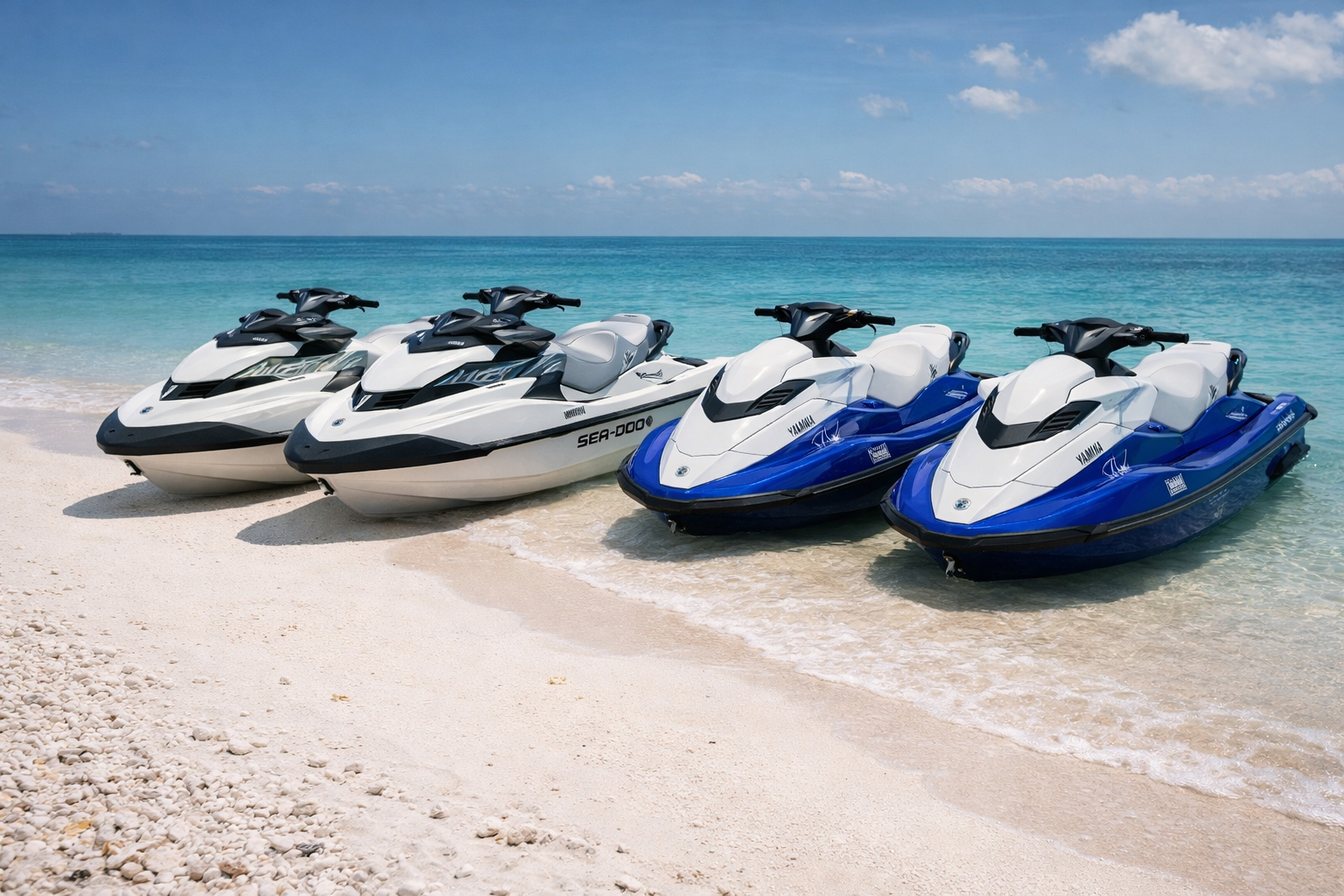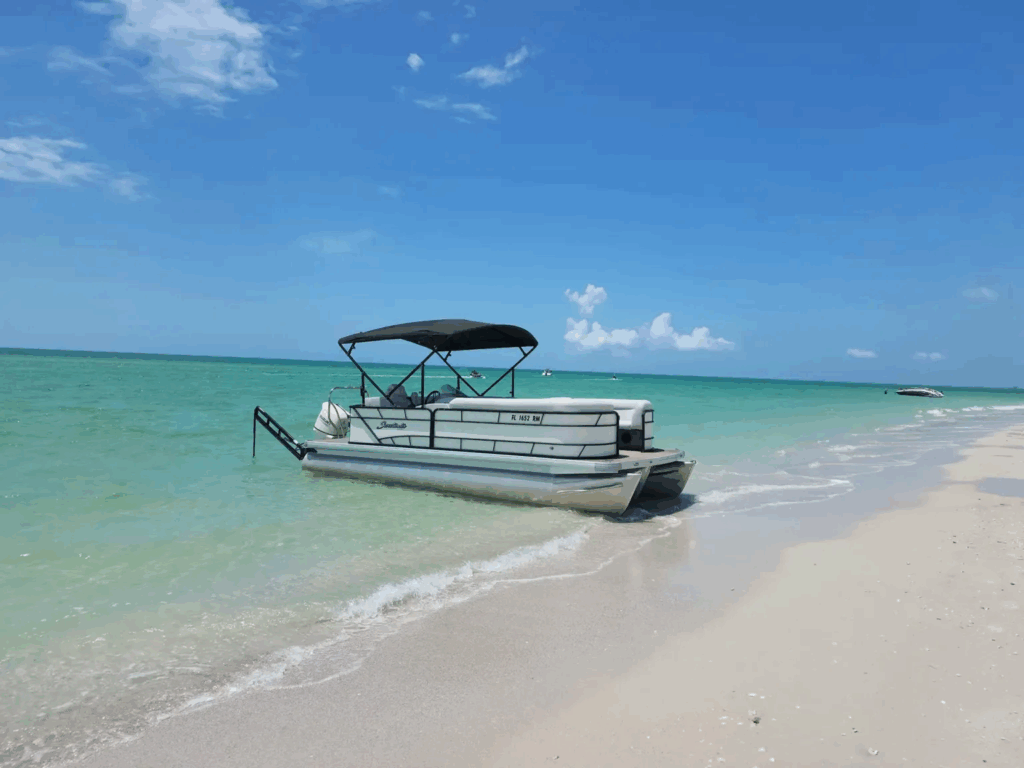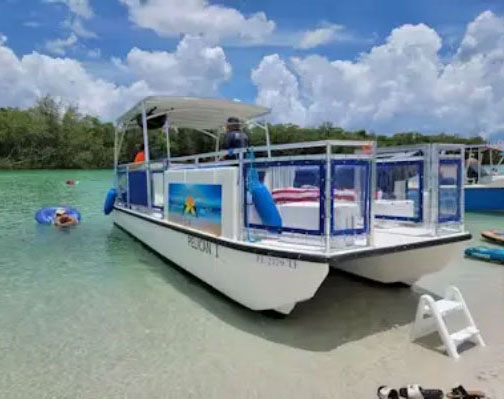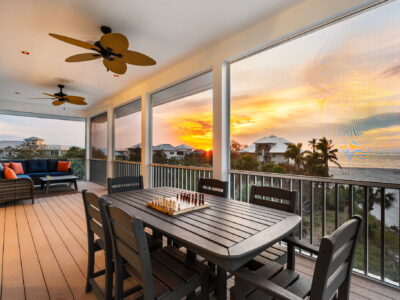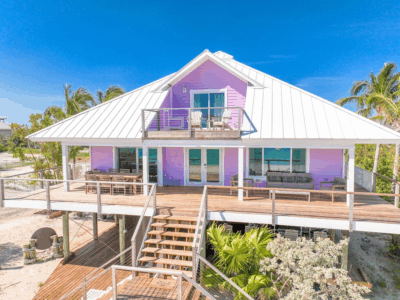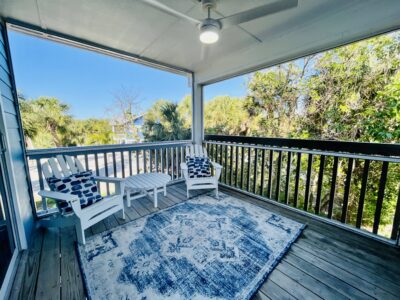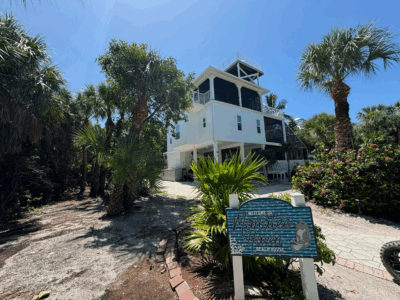
North Captiva Island Excursions & Things To Do On North Captiva Island

Key Takeaways
- Limited dining and grocery options make provisioning and reservations important for a seamless stay.
- North Captiva Island is a remote, boat-access-only destination ideal for nature lovers and quiet escapes.
- Top activities include guided fishing charters, island hopping to Cayo Costa, wildlife eco-tours, and private sunset cruises.
- Golf carts are essential for island transport, accompanied by serene beaches perfect for shelling and relaxation.
- Planning ahead is crucial: book ferries, rentals, and excursions early; pack essentials like bug spray and cash.
North Captiva Island offers a unique blend of secluded nature and engaging excursions perfect for vacationers and property owners seeking both adventure and relaxation. Accessible only by boat, the island’s charm lies in its pristine beaches, abundant wildlife, and quiet, unspoiled environment.
This exclusive barrier island provides untouched beaches, exceptional wildlife viewing, and outdoor adventures away from mainland crowds. Begin your visit with a golf cart rental—the island’s primary mode of transport—to explore sandy trails, hidden beaches, and quiet nature preserves at your own pace.
Beach Activities & Water Sports
North Captiva’s 4 miles of white sand beaches provide ideal conditions for shelling, swimming, and beachcombing. The Gulf-side beaches offer calm waters perfect for paddle boarding and kayaking, while Dolphin Beach on the bayside serves as a prime snorkeling location with clear waters and diverse marine life.
Wildlife Viewing & Nature Tours
The island hosts over 200 bird species including ospreys, pelicans, and roseate spoonbills. Dolphins frequently patrol the shoreline, particularly during morning hours. Sea turtle nesting occurs April through October, with loggerhead turtles being the most common species nesting on island beaches. Eco-tours offer intimate encounters with dolphins, manatees, sea turtles, and diverse bird species.
Fishing & Boating Excursions
For water enthusiasts, guided fishing charters deliver unforgettable experiences targeting snook, redfish, tarpon, and offshore grouper with local expert captains who provide gear and licenses. Redfish Pass and surrounding waters offer world-class fishing for snook, tarpon, and redfish. Charter services operate from the island marina, providing half-day and full-day trips. The Pine Island Sound backcountry waters feature mangrove tunnels perfect for exploring by kayak or small boat.
Island Transportation & Exploration
Golf carts serve as the primary transportation method, with rentals starting at $100 daily. The island’s 4-mile length makes it easily explorable in a single day. Walking trails connect the Gulf beaches to bayside areas, offering scenic routes through native vegetation including sea grapes and Australian pines.
Guided Fishing Charters: Your Ticket to a Trophy Catch
Whether you’re an experienced angler or first-time fisher, North Captiva’s guided charters transform ordinary fishing trips into trophy-catching adventures. Professional captains navigate these productive waters daily, dramatically increasing your chances of landing redfish, snook, tarpon, and grouper.
Inshore vs. Offshore Fishing Experiences
Inshore charters explore the island’s sheltered bays and mangrove-lined channels, targeting snook, redfish, and spotted seatrout in 2-8 feet of water. These 4-6 hour trips suit families and beginners, offering calmer conditions and consistent action year-round.
Offshore adventures venture 10-30 miles into the Gulf, pursuing grouper, snapper, king mackerel, and seasonal tarpon. These 6-8 hour expeditions require more stamina but reward anglers with larger catches and potential trophy fish weighing 50+ pounds.
Top-Rated Charter Operators on North Captiva
Captain Corey
Let’s Get Wet Dive Charters
Scuba Dive Charters
Fishing Charters
Island Hopping/ Sightseeing/ Shelling
Sunset Cruises
Transportation Service
Phone: 239-896-7889
https://www.facebook.com/LetsGetWetDiveCharters/
Katch ‘Em Up Charters
USCG Certified Captian Kalani Findeisen
Captain Chris Horstman
Lives on the island and offers great tours and private charter back and forth from the island for smaller groups
Phone: (740) 581-0965
Boats & Fun (boat rental, with/without a Captain)
Fishing charters or boat rental. They also sell/rent fishing equipment and have a wide variety of lures, frozen bait etc. They are great! Make sure you give their store Labradoodle “Captain” a kiss for me! He is the cutest dog of all times
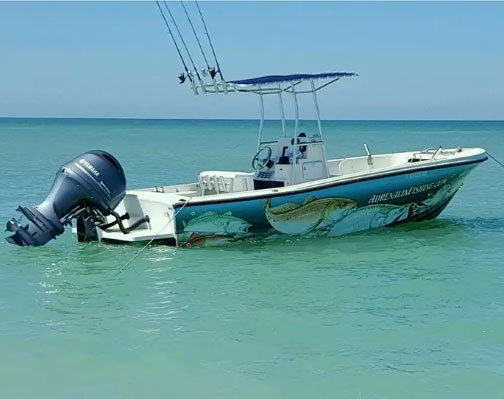
Adrenaline Fishing
Half day catching trips. No Fish no Pay. Tarpon, snook, redfish shark snapper trout.
Captain Richie
1119 Periwinkle Way, #200
Sanibel, FL 33957
Phone: (239) 209-1091
https://adrenalin-fishing-sanibel-fishing-charter-fort.business.site/
Captain Chris Weber
Island Life Services & Charters, LLC
Captain Chris Weber offers water taxi services, delivery services, private charters, private tours.
Phone: (239) 478-0030
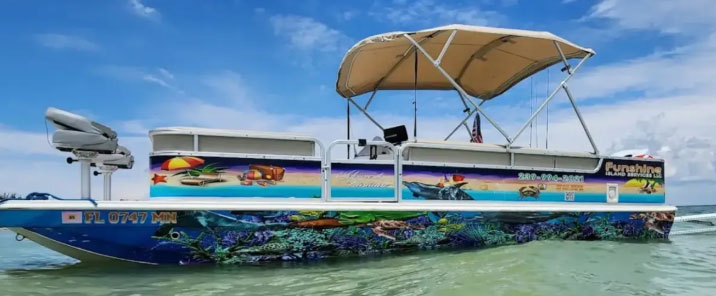
FunShine Island Services LLC
Serving Pine Island FL , North Captiva FL and surrounding barrier islands…Custom Tours to fit your needs..Sunset Cruises, Booze Cruises, Eco Tours, Site Seeing, Shelling, Water Taxi and more.. Max 6 passengers. Options available for large parties.
Phone: (239) 994-2021
https://funshine-island-services-llc.business.site/
Captain Mike Keel
Captain who provides charters along with sight seeing tours.
Phone: (973) 277-5476
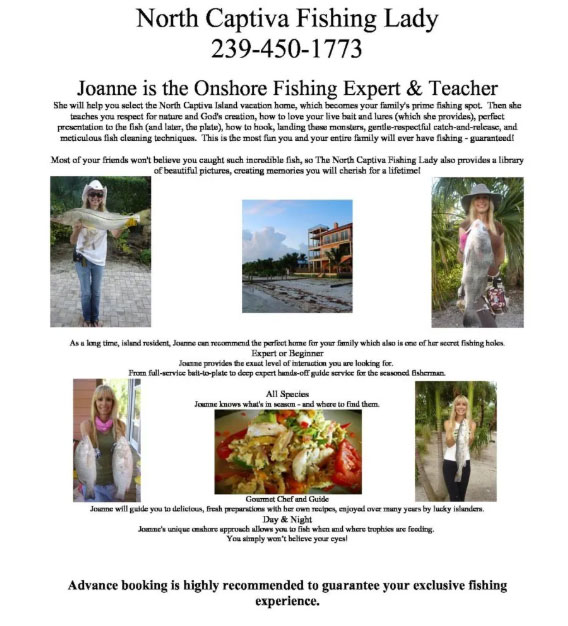
North Captiva Fishing Lady
Island Local who provides the best on land fishing. If you have a questions about fishing she is your girl.
What to Expect: Gear, Licenses & Booking in Advance
Charter operators provide rods, reels, tackle, bait, and fishing licenses as part of their packages. Bring sunscreen, polarized sunglasses, and a cooler for your catch. Book 4-6 weeks ahead during peak season when tarpon migration drives demand. Most charters require 50% deposits and offer full refunds for weather cancellations. Tipping 15-20% of the charter fee is customary for exceptional service.
Island Hopping & Shelling Tours to Cayo Costa
Accessible only by boat, Cayo Costa State Park offers pristine beaches spanning nine miles of undeveloped coastline. This barrier island remains one of Florida’s last untouched coastal treasures, drawing shell collectors worldwide to its unspoiled shores.
Why Cayo Costa Is a Shelling Paradise
Cayo Costa’s remote location and minimal foot traffic create ideal shelling conditions. The island sits at the convergence of Pine Island Sound and the Gulf of Mexico, where strong currents deposit shells from deeper waters. Peak shelling occurs during low tide and after storms, when rare specimens like junonia, lion’s paw, and angel wings wash ashore. The western beaches yield the best finds, particularly near the northern tip where currents concentrate shells.
How to Book the Best Island-Hopping Tours
Book tours departing from Captiva, Boca Grande, or Pine Island for shortest travel times. Charter boats offer flexibility with 4-6 hour trips starting at $400 for six passengers. Group tours cost $35-60 per person through operators like Captiva Cruises and Tropic Star. Reserve early morning departures for calmer seas and better shelling before crowds arrive. Multi-stop tours including Cabbage Key provide lunch options since Cayo Costa lacks facilities.
To book tours from North Captiva Island you should look into Boats and Fun and Island Girl charters, both of whom operate out of North Captiva. There are also some private captains who may be accessed from the private Facebook group.
Tips for Finding Rare and Beautiful Shells
Walk the wrack line where high tide deposits shells. Arrive at low tide, checking tide charts beforehand. Bring mesh bags, not buckets, allowing sand to filter out. Focus on areas with shell hash—broken pieces indicate whole shells nearby. Live shelling is prohibited; return any shells with creatures inside. Best months run November through April when winter storms increase shell deposits.
Dolphin Watching & Wildlife Eco-Tours
Best Times of Year for Dolphin & Manatee Sightings
Peak dolphin sightings occur April through October when water temperatures rise above 68°F. Atlantic bottlenose dolphins remain active year-round in coastal waters, with highest pod concentrations during morning hours. Manatees migrate to warm-water refuges November through March, congregating near natural springs and power plant outflows. Spring months offer optimal viewing conditions with calm seas and increased feeding activity.
Birdwatching and Sea Turtle Encounters
Coastal waters host 200+ bird species including brown pelicans, roseate spoonbills, and great blue herons. Peak birdwatching spans October through April during migration seasons. Sea turtle nesting occurs April through October, with loggerhead, green, and leatherback species frequenting protected beaches. Morning tours maximize wildlife diversity, combining shorebird identification with potential sea turtle surface sightings. Osprey nests and mangrove rookeries provide year-round observation opportunities while maintaining safe distances that protect nesting habitats.
Private Sunset Cruises and Lunch Trips to Cabbage Key
Experience Southwest Florida’s most enchanting waterway adventures with private sunset cruises and exclusive lunch trips to historic Cabbage Key. These customized boat excursions depart from Pine Island, Captiva, and Sanibel, offering intimate encounters with dolphins, manatees, and pristine barrier islands while navigating through Pine Island Sound’s emerald waters.
Planning the Perfect Private Cruise
Book your private charter 2-3 weeks in advance during peak season for optimal availability. Morning departures at 10:30 AM reach Cabbage Key for lunch service, while sunset cruises launch 90 minutes before dusk. Most charters accommodate 6-12 passengers on vessels ranging from 24-foot deck boats to 40-foot catamarans. Essential items include reef-safe sunscreen, polarized sunglasses, and light layers for evening temperature drops after sunset.
The Cabbage Key Experience: Cheeseburgers in Paradise
Cabbage Key’s legendary restaurant serves its famous “Cheeseburger in Paradise” that inspired Jimmy Buffett’s iconic song. The historic 1938 inn, accessible only by boat, features walls covered in over $70,000 worth of signed dollar bills. Lunch service runs 11:30 AM-3:00 PM, with the signature burger priced at $16. The 100-acre island includes nature trails and a water tower offering 360-degree views of Pine Island Sound.
Tips for Couples, Friends, and Groups
Couples maximize romance with champagne sunset packages starting at $450 for two-hour private cruises. Friend groups save 20% by booking six-passenger charters versus individual tickets. Large groups requiring multiple boats should coordinate simultaneous departures for synchronized island arrivals. Consider split itineraries: half-day Cabbage Key lunch trips for families with children, full-day adventures including Cayo Costa State Park for active groups seeking swimming and shelling opportunities.
Beach Days and Unrivaled Shelling on North Captiva
North Captiva Island delivers pristine beach experiences far from mainland crowds. This barrier island, accessible only by boat or seaplane, preserves four miles of untouched shoreline where shells accumulate naturally along the Gulf Coast. The island’s remote location creates ideal conditions for shelling enthusiasts, with winter storms and seasonal currents depositing rare specimens including junonia, lion’s paw, and angel wings¹.
Secret Beaches and Lesser-Known Spots
The northern tip near Redfish Pass offers exceptional shelling during low tide, particularly after storms push shells through the pass². Walk past the main beach access points to discover pocket beaches between mangrove clusters where fewer than 10% of visitors venture. The bayside flats near marker 12 produce unexpected treasures, including intact sand dollars and colorful scallop shells rarely found on Gulf-facing shores. Early morning visits to the stretch between Safety Harbor Club and the state park boundary reveal pristine conditions before daily boat traffic arrives.
Shelling Essentials: Best Practices
Arrive at dawn during negative tides for optimal shelling conditions³. Bring mesh bags rather than plastic buckets to allow sand to filter through while protecting delicate specimens. Check shells for living creatures before collecting – Florida law prohibits taking live shells, with fines up to $500⁴. Focus efforts along the high tide line where shells concentrate naturally. Wear water shoes to protect feet from sharp fragments. Best shelling months span December through March when northwest winds drive shells ashore⁵. Clean finds immediately in freshwater to preserve colors and prevent odor development.
¹ Florida Museum of Natural History Shell Guide ² Sanibel-Captiva Shell Club Annual Report ³ NOAA Tide Charts for Charlotte Harbor ⁴ Florida Fish and Wildlife Conservation Commission Regulations ⁵ Lee County Visitor & Convention Bureau Shelling Guide
Kayaking, Paddleboarding & Watersports Adventures
Southwest Florida’s pristine waters offer year-round opportunities for paddling enthusiasts and watersports adventurers. From the calm backwaters of mangrove tunnels to open Gulf waters, the region provides diverse aquatic experiences suitable for all skill levels. Whether you’re seeking peaceful wildlife encounters or exhilarating open-water challenges, the area’s extensive waterway system delivers unforgettable adventures.
Exploring the Island by Golf Cart
Golf carts transform island exploration into an effortless adventure, granting access to hidden beaches, historic sites, and panoramic viewpoints while maintaining the relaxed island pace. This eco-friendly transportation method allows visitors to cover more ground than walking while enjoying open-air views and stopping spontaneously at charming cafes or scenic overlooks.
Booking and Safety Tips for Golf Carts
Reserve carts 48-72 hours in advance during peak season (June-August) through licensed rental companies offering hourly, half-day, or weekly rates. Verify insurance coverage, inspect brakes and lights before departure, and confirm battery charge for electric models. Island regulations mandate drivers be 25+ with valid licenses, passengers wear seatbelts, and carts remain on designated paths. Maximum speed limits of 20 mph apply island-wide. Secure belongings in locked compartments, park only in marked areas, avoid beach sand driving, and return carts with the same fuel/charge level. Weather-related cancellations typically receive full refunds when notified 24 hours prior.
Nature Walks: Trails & Wildlife Viewing
State Reserve Highlights and Trail Maps
Florida’s state reserves offer over 175 miles of marked trails spanning diverse ecosystems from pine flatwoods to coastal hammocks. The Wekiwa Springs State Park features 13.5 miles of multi-use trails with detailed maps available at ranger stations, showcasing spring-fed waterways and ancient sand hills dating back 2 million years. Trail difficulty ranges from easy boardwalks suitable for wheelchairs to challenging backcountry paths requiring permits.
Popular reserves like Myakka River State Park provide downloadable GPS trail maps highlighting observation towers, primitive camping zones, and seasonal water levels affecting accessibility. Interactive kiosks mark wildlife corridors where animals frequently cross, improving viewing opportunities during peak activity hours of dawn and dusk.
Iconic Wildlife: Gopher Tortoises, Eagles & More
Gopher tortoises, Florida’s only native land tortoise, create burrows sheltering 350+ species throughout reserve systems. These keystone species dig tunnels extending 40 feet underground, maintaining temperatures between 70-80°F year-round. Peak viewing occurs April through October when tortoises graze on wiregrass and prickly pear cacti near burrow entrances.
Bald eagles nest in 67% of Florida counties, with reserve populations increasing 15% annually. Nesting season spans October through May, when pairs return to massive stick nests weighing up to 2,000 pounds. Additional reserve residents include Sherman’s fox squirrels, measuring twice the size of gray squirrels, and Florida scrub-jays, the state’s only endemic bird species found exclusively in scrub habitat.
North Captiva’s Culinary Scene: Dining & Local Flavors
North Captiva Island’s remote location shapes its unique dining landscape, where waterfront restaurants blend fresh Gulf seafood with laid-back island atmosphere. With no bridges connecting this barrier island to the mainland, restaurants here rely on boat deliveries and local catches, creating menus that change with the tides. The island’s handful of establishments serve both the 300 permanent residents and seasonal visitors seeking authentic Florida coastal cuisine away from tourist-heavy destinations.
Restaurant Roundup: Where to Eat on North Captiva
The island offers three primary dining venues plus seasonal pop-ups at vacation rental properties. Mainstay Provisions anchors the north end marina, serving breakfast through dinner with dock-and-dine convenience for boaters. The restaurant features Gulf grouper sandwiches, stone crab claws, and their signature rum runners. Over the Waterfront at Safety Harbor Club provides upscale dining Thursday-Sunday, requiring reservations for non-members. Their menu emphasizes local seafood preparations with Caribbean influences. The Mango Restaurant at North Captiva Island Club serves lunch and casual dinners, known for their fish tacos and key lime pie.
Cabbage Key and Barnacles: The Classics
While technically neighboring islands, Cabbage Key and Barnacles Bar & Grill on nearby Cayo Costa remain essential to North Captiva’s dining circuit. Cabbage Key, accessible only by boat, features the historic inn where Jimmy Buffett allegedly wrote “Cheeseburger in Paradise.” Their famous cheeseburgers draw 100+ visitors daily during season. The restaurant’s walls display $70,000+ in signed dollar bills left by patrons since 1938. Barnacles, positioned between North Captiva and Boca Grande, offers dockside dining with fresh oysters, peel-and-eat shrimp, and live music weekends. Both venues operate year-round, though hours reduce during September’s off-season.
Planning Your Trip: Logistics, Ferries & Getting Around
Reaching your island destination requires choosing between scheduled ferry service and private water taxis. Ferries operate on fixed schedules with standard pricing. Water taxis offer flexible departure times and direct routes but cost significantly more.
Getting There: Ferry vs. Water Taxi
Ferry service provides the most economical option for island access. Reserve vehicle spots 30-60 days in advance during peak season. Walk-on passengers can usually board without reservations. Ferry terminals require arrival 30-45 minutes early for vehicle loading.
Water taxis eliminate schedule constraints and reach destinations ferries don’t service. Most accommodate 6-12 passengers with luggage allowances of 2-3 bags per person. Book water taxis 48-72 hours ahead during summer months.
Grocery Delivery & Supplies Essentials
Pre-arrival grocery delivery streamlines your island stay. Services like Instacart and local island markets deliver directly to rental properties. Order non-perishables, beverages, and pantry staples before arrival. Fresh items should arrive day-of or day-after check-in.
Essential supplies to arrange:
- Propane tanks for grills (many islands restrict transport)
- Drinking water if property lacks potable supply
- Coolers with ice for properties without immediate refrigeration
- Cash for local vendors without card readers
Pack medications, sunscreen, and specialty dietary items— island stores carry limited selections.
Reservations, Packing, and Family Tips
Making advance reservations is essential for popular destinations, especially during peak seasons. Book accommodations 3-6 months ahead for summer visits and at least 2 months for shoulder seasons. Many parks require timed-entry permits purchased ahead.
Pack layers regardless of season – island weather changes rapidly. Essential items include:
- Waterproof jacket and hiking boots
- Sunscreen (UV rays can be intense even on cloudy days)
- Reusable water bottles (hydration is key)
- Snacks for energy between meals
For families with children, plan shorter excursions with frequent breaks. Pack entertainment for potential weather delays and bring familiar snacks as island restaurants may have limited children’s menus.
Internet, Cell Service & Emergencies
Cell coverage is extremely limited in most wilderness areas. Major carriers provide service only in developed zones near visitor centers. Download offline maps before arrival using apps like AllTrails.
Wi-Fi availability varies
911 service works where cell coverage exists, but response times can vary due to remote locations.
Insider Tips & Local Knowledge for an Unforgettable Stay
How to Beat the Crowds and Find Serenity
Visit during shoulder seasons when tourist numbers drop significantly. Wake before 7 AM to explore popular attractions in peaceful solitude—most tour groups arrive after 9 AM. Seek out hidden gems: unmarked trails accessible from residential neighborhoods, secluded coves reachable only by foot, and family-run establishments.
Book dinner reservations for off-peak hours to avoid the crowds. Midweek exploration offers significantly shorter wait times at popular venues. Download offline maps and venture beyond travel guides—the best experiences often lie beyond typical itineraries.
Safety, Sustainability & Respecting Island Life
Emergency contacts should be saved offline. Reef-safe sunscreen is mandatory to protect marine life.
Water conservation is critical. Limit showers, reuse towels, and participate in beach cleanups organized by groups. Move with the island’s rhythm, respecting the community.
Sources: Visit Florida Tourism Board, Lee County Visitor & Convention Bureau
North Captiva Island offers a rare combination of seclusion and natural beauty, making it an ideal spot for those seeking both adventure and relaxation. From guided fishing charters and serene beach days to thrilling watersports and immersive wildlife tours, the island’s variety of excursions caters to diverse interests. Navigating the island by golf cart reveals hidden beaches and scenic trails, while boat trips to Cayo Costa and Cabbage Key add memorable highlights. This island escape requires thoughtful planning—arranging transportation, booking tours, and stocking up on supplies in advance enhances your experience. Embrace the slower pace, limited connectivity, and pristine environment to fully appreciate North Captiva’s unique charm.
Frequently Asked Questions
How do I get to North Captiva Island?
North Captiva is accessible only by boat. Visitors typically use Island Girl Charters or Island Club North Captiva ferry from Pineland or opt for private water taxi services. Both offer reliable transportation, but booking in advance is essential.
Do I need a golf cart on the island?
Yes. Golf carts are the primary mode of transportation on North Captiva. Most vacation rentals include carts, but if not, you should arrange a rental ahead of your arrival for convenient island exploration.
What kinds of fishing experiences are available?
You can choose between inshore fishing for species like snook and redfish or offshore trips targeting grouper and snapper. Local charters provide gear, bait, and licenses, making fishing accessible for all skill levels.
Are there grocery stores or restaurants on North Captiva?
There are no large grocery stores on the island, so it’s best to bring groceries with you or use grocery delivery services from the mainland. Dining options are limited but include favorites like Barnacles and Over the Water; reservations are recommended.
Is North Captiva family-friendly?
Absolutely. The calm waters, safe golf cart roads, and abundant wildlife make it great for families. Activities like shelling, kayaking, and wildlife tours appeal to children and adults alike.
What should I pack for my visit?
Essential items include high-SPF sunscreen, insect repellent, comfortable water shoes, hats, and cash for vendors. Given limited cell service, prepare for minimal connectivity and bring any necessary medications.
Can I rent a boat to explore on my own?
Yes, boat rentals are available at Boats and Fun; however, renters should have boating experience and understand local waters. A boating license may be required, so verify these details when booking.
When is the best time for wildlife watching?
Dolphin and manatee sightings are common year-round, but spring and summer months usually offer the best chances to see diverse marine life in Pine Island Sound.
How reliable is cell phone and internet service on the island?
Cell and internet coverage on North Captiva is spotty and often limited. Visitors should anticipate a low-connectivity environment, which many find refreshing for unplugging and enjoying nature fully.